
5.1 Introduction
The SRL model contains an entire section dedicated to the impact of vulnerability, which means that embedded into this thesis is the idea that people living under conditions of risk make decisions on an ongoing basis that influence livelihood outcomes. Dryland environments are inherently subject to climatic, economic and social variables that impose conditions of risk and sometimes uncertainty on the communities that make their livelihoods in these marginal areas. Research into risk and uncertainty focuses on learning about the behaviours and outcomes that are likely under such conditions. Although it is difficult, archaeologically, to see how such decisions are made, it is possible to see what options might have been available by reviewing the sort of choices available to modern ethnographic groups. This research assists with archaeological interpretation by suggesting a range of possible options open to pastoral communities. This chapter focuses on risk in ethnographic research so that the case studies can draw upon this information to suggest what type of decisions were made. In archaeology this research assists with interpretation because it suggests a range of possible interpretations, providing a framework of understanding.The potential difficulties with such an approach have been highlighted in chapter 1.
Although it has been traditional to suggest that physiological survival is the primary concern of any community (Lavigne-Delville 1997; Streeten 1981), survival is based not merely on procuring food but on knowledge sharing, community support, household organization, local and regional identiy, social conventions, religious ideas and personal ideologies, all of which support the sustainability of societies (Cliggett 2005; Evans-Pritchard 1940; Fre 2018; Gleave 1992c; Hobbs 1989; IFAD Rural poverty Portal 2007; Morgan 1992, p.46; Mortimore 1998, p.36; Sen 1999). In hazardous environments, cultural, religious and social practises are geared to taking many hazards in their stride (Jallow 1990, p.191-2). At the same time “people inevitably make decisions on the basis of subjective probabilities, biased information derived from anecdotal evidence, and prejudicial positions based on their values and worldviews” (Hassan 2008, p.41). An understanding of a wide range of livelihood options that could be implemented for sustainability is therefore required (Liwenga 2003).
As the SRL asset matrix emphasises, the idea of sustainability is not restricted to economic sustainability but requires that all components that make up a community’s sense of itself must be maintained or improved upon in order to engender well-being. The stronger a household’s assets, the better the opportunities are for access to food and the maintenance of current livelihoods (Sen 1983; Swift 1989). In this understanding, ecological, economic and social risks are incorporated in the discussion of constraint, vulnerability and sustainability. Sustainability refers to the idea that in order to be viable any livelihood system must be able to survive fluctuations in economic security. Sustainability is dependent on the ability to respond to disruptions and perturbations. Dryland environments are inherently subject to environmental and other fluctuations that impose conditions of risk and sometimes uncertainty on the communities that make their livelihoods in these marginal areas.
The emphasis on risk and uncertainty, which are defined in 5.3, does not suggest that the environment or economic concerns determine what people do. On the contrary, this chapter focuses on the variety of livelihood options that are open to groups who live in drylands, how they use knowledge, social support systems, technological skills, their own creativity and willingness to take up opportunities to improve sustainability and achieve their goals. Gumerman observes: “Cultural buffers to environmental fluctuations are so great in number and often so subtle, sometimes involving nothing more than a slight but strategic shift in emphasis along any demographic, productive or organizational lines that the variety of coping devices is often infinite” (Gumerman 1988, p.22). This chapter touches on the most common of these strategic options available to decisions makers.
Below is an overview of what is understood about pastoral livelihoods , and connections with other subsistence types. During the mid-Holocene, herding of domesticated cattle, sheep and goat became a defining livelihood strategy. The use of domesticates was combined with hunting of wild species to provide a flexible approach to the eastern Sahara (Kuper and Riemer 2013; Marshall and Hildebrand 2002). As the thesis mainly concerns pastoralists who supplemented their lifestyles with hunting and foraging the following concentrates mainly on pastoral livelihoods, the discussion of risk and uncertainty presented here concerns pastoral livelihoods. Other subsistence options are described briefly for comparative purposes.
5.2 Modes of subsistence and production in dryland environments
5.2.1 Pastoral-Foraging livelihoods
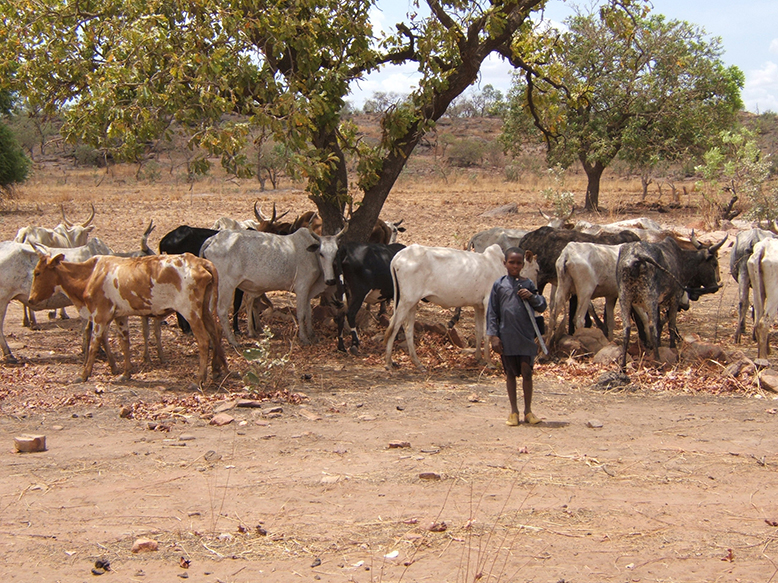 Figure 5.1 – Pastoralism in the Libya Sahara. Source:
Stephen Dueppen, https://blogs.uoregon.edu/dueppen/african-pastoralism/
Pastoralism in some form or other is present throughout most countries in the Middle East and many African countries, particularly in north Africa (Dixon et al 2001). Today there are nearly 200 million pastoralists worldwide (IFAD 2009, p.1) and of these 20 million are nomadic or semi-nomadic animal herders in the north and east Africa (Abraham 2006, p.18) (figure 5.1). Pastoral livelihoods are always combined with other food production and acquisition techniques like hunting, plant collection, horticulture, agriculture, and, often essentially, trading with those who have chosen alternative livelihood strategies, either regularly or during times of food stress (Atherton 1983, p.83; Cliggett 2005; Grillo 2014; Hobbs 1989; Jallow 1990, p.195; Manger et al 1996, p.124-130). Today, hunter-foragers, pastoralists, horticulturalists and agriculturalists may be relatively self-supporting, but all usually have relationships with neighbours and more distant kinship groups (Klima 1970, p.83; Manger et al 1996) and trading partners for goods (Cliggett 2005, p.81-3; Vivelo 1977, p.97-107), marriage partners (Abati 1998, p.150-153; Hobbs 1989, p. 9-11; Klima 1970, p.64-7; Stenning 1957, p.100-137) and social support (Cliggett 2005, chapters 5 and 7; Minnis 1985, p.22; Vivelo 1977, p.97-107). Atherton argues against the over-use of generalizing terms due to the presence of so much economic variation in a single category like foraging (Atherton 1983, p.83). In Africa and elsewhere any number of organizational and economic structures may come under the heading of pastoralism (Honeychurch 2013). Although in the past governments, aid agencies and foreign advisers have often been unwilling to support pastoral livelihoods, often preferring to convert pastoralsits into ranchers and agriculturalists, it has been demonstrated that these strategies have ignored the inherent benefits of the pastoral lifestyle in marginal dryland areas to which herding is uniquely suited (Abraham 2006, p.18; Fre 2018, p.viii; Glantz 1996).
Pastoralism can be practised in much less forgiving environments than cereal cultivation and even basic horticulture (Hobbs 1989; LID 1998; Manger et al 1996; Mortimore 1998; Seeley 2006), but even then there are always limiting factors including water (supply, predictability and quality), competition for land, and desertification. Domesticates have different minimum requirements for survival and reproduction, and a combination of species can help pastoralists to spread risk and maximize the benefits of different types of vegetation available. For example, a cow can only reproduce after they have reached 2 years of age, requires a a relatively high volume of water and access to good quality pasture to become fertile but will rarely produce more than one calf (Dahl and Hjort 1976; Lineseele 2010). Ovicaprids can reproduce after only a few months, are far more tolerant to drought conditions, will produce offspring twice a year, will make do with rough browsing (sheep) and scrub (goats) and are likely to give birth to more than one offspring at a time (Dahl and Hjort 1976; Lineseele 2010; Yokell 2004). Sheep and goat are more likely to be used as a source of meat because of their reproductive qualities. Cattle, although they require more investment in terms of management and care, provide much more milk and lactate for longer (Dahl and Hjort 1976); they also provide 3½ to 4½ times more calorific value than goat and sheep respectively (Russell 1988), but are usually used only for meatduring special ceremonies due to their ongoing value for dairy. Cattle are far more likely to carry much greater social value and be endowed with far more important symbolic roles than the smaller and more adaptable and replaceable sheep and goat (Evans-Pritchard 1940; Gautier and Van Neer 2012; Lienhardt 1961; Linseele 2010; Ryan 2002; Wengrow 2001). All species require constant protection against predators, are more susceptible to disease than their wild ancestors and must be moved when weather regimes dictate (Marshall and Hildebrand 2002). For more about the relative values of livestock see Appendix F.
Typical uses of pastoral herds include consumables (milk, blood, high grade and low grade meat, fat), workables (hide, wood, hair, hone, resins, gums), transportation, traction, status and, of course, breeding stock (Behnke et al 1993, p.7; DID 2000; IFAD Rural Poverty Portal 2007b). Herds are also a means of acquiring wealth and social status (Brooks 2006a, p.33; Evans-Pritchard 1940). They and their products can be sold, rented, loaned and exchanged, used to establish new family units, given to friends and relatives, hidden from raiders in a way that fields of crops cannot be, and can be split up throughout different areas to minimize risk (Bates 1971 p.143-5; Brooks 2006a, p.33; Cliggett 2005; Evans-Pritchard 1940; Layton 2002). There is a perpetual need to find a balance between various demands on the livestock.
Pastoralism has been described as a purely economic phenomenon (Khazanov 1994), as an instrument of a new form of human interaction and exchange (Wengrow 2006, p.21) and as a term without useful value (Marx 2006). The International Food And Development agency (IFAD) define pastoralists, helpfully, as “people who derive more than 50% of their incomes from livestock and livestock products” and are able to maintain equilibrium between pastures, livestock and people (IFAD 2009, p.1), which Kochecki and Gliessman refer to as “The triangle of sustainability” (2005). Pastoralists are defined here as groups who own domesticated animals as a significant part of their subsistence strategy, raise their livestock on uncultivated pasture, and may include an element of mobility in their livelihood strategy to meet the need of sourcing new pasture. The primary characteristic of pastoralism is the herding of animals that convert the primary products of arid and semi-arid zones into animal protein (Sidahmed 2000), which in turn converts into meat, blood, fat and dairy products for human consumption. Although milk production diminishes during the dry season due to diminished water supply and, as herds become weaker, less blood can be extracted from living animals, livestock continues to be an important source of dry season nutrients (Dahl and Hjort 1970; Dyson-Hudson and Dyson-Hudson 1970).
In spite of questions regarding lactose intolerance, it is difficult to see the value of herding without dairy production given that today more calories are derived from milk than any other source in pastoral societies (FAO 2001a). Pennington, for example, found that !Kung children living with domesticated animals had a 25% higher survival rate than those in hunting and gathering regimes due to the availability of milk at times of hardship. The benefits of milk and blood must have been well known by the time sheep and goat arrived in Egypt and the Sudan. As above, see Appendix C for more about the problems concerning lactose intolerance in African prehistory.
Domesticated animals can also be used for ancillary products including dung (as fuel or fertilizer), workable materials (hide, wood, hair, hone, resins, gums), traction and transport (Behnke et al 1993, p.7; Close 1996, p.550; DFID 2000a; Hurcombe 2014; IFAD Rural Poverty Portal 2007; Sherratt 1981). Herds are also a means of acquiring wealth and social status (Brooks 2006a, p.33; Evans-Pritchard 1940). Livestock and their products can be sold, rented, loaned and exchanged, used to establish new family units, given to friends and relatives, hidden from raiders in a way that fields of crops cannot be prior to harvesting, and can be split up amongst different areas to minimize risk (Bates 1971 p.143-5; Bollig 2009, p.285-290; Brooks 2006a, p.33; Cliggett 2005; Evans-Pritchard 1940; Harir 1996, p.89-90; Layton 2002).
Where herds are small and where natural resources are limited, herding will be supplemented by hunting and foraging, which may be an important component of the diet, particularly where herds represent storage or are used for blood and dairy (Bollig and Osterle 2013; Casimir and Bollig 1994; Jacobs 1975; Mortimore 1998, p.87). Where available, protein may also be derived from fishing (Deng 1972; Townsley 1998, p.143; Watson and van Binsbergen 2008, p.14). Plants are also a fundamental part of the diet and acquisition of plant resources for both human and animal dietary needs as well as for craft activities is essential. These activities need to be factored into the annual food acquisition schedule (Anderson 2005; Hurcombe 2014; Marshall and Hildebrand 2002, p.112). Social attitudes to plant acquisition (and production) may vary between groups but its vital role is never in dispute (Dunne et al 2016; Grillo 2014; Harlan 1989; Hurcombe 2014; Mercuri et al 2018; Seely 2006, p.32; Yokell 2004, p.41).
Foraging for nutrition derived from vegetation is essential in pastoralist socieities to avoid problems associated with nutritional deficiencies (see Appendix E for some of the problems associated with nutritional deficiency) and to obtain medicines. Knowledge of the benefits of plant species, where to locate them, how to prepare them and, of course, which to avoid is therefore passed between the generations (Minnis 1996, p.62; Seely 2006, p.32). Vegetation may include grasses, root vegetables, legumes, herbs and tree pods, all of which can be processed and combined in different ways to create meals and medicines and provide different flavours. Wild plant foods may be tended and curated to improve productivity (Atherton 1983; Anderson 2005) or protected by local law (e.g. Manger et al 1996, p.100) and may be incorporated into the seasonal routines of herders. Fruit-bearing trees are often an important source of nutrition and medicines for people as well as animals, but also provide other nutritional, medicinal and household benefits. In Zambia, for example, Parinari curatellifolia provides fruit for syrup, flavouring porridge and making alcoholic drinks. Leaf extracts and bark are used to treat pneumonia, eye and ear ailments and for tanning leather, and roots are used for treating cataracts and ear ache (Schrimpf and Feil 2012, p.21). Atherton points out that the term foraging is very general and fails to take into account the vast amount of economic variation and the intricacies of human adaptation that are incorporated into the collection of plant foods (Atherton 1983, p.83).
Herds exist within the natural context of seasonality (figure 5.2), which will influence breeding, herd size and organization, productive strategies and the need to move on a seasonal basis (Bollig 2006, p.210-211; Campbell et al 2006; Dalal-Clayton et al 2003; Mortimore 1998); but economic, cultural and ideological factors will also influence how herds and pastures are managed (Evans-Pritchard 1940; Jallow 1990, p.195; Mortimore 1998, p.36; Yokell 2004, p.42), a complex of factors that will influence strategies of control of reproduction, mobility and resource usage, including land tenure agreements and other forms of access to land and water (Bardhan and Ray 2008; Binns 1992; Dasgupta 1997; DFID 2000a; IFAD Rural Poverty Portal 2007; Ostrom 2008).
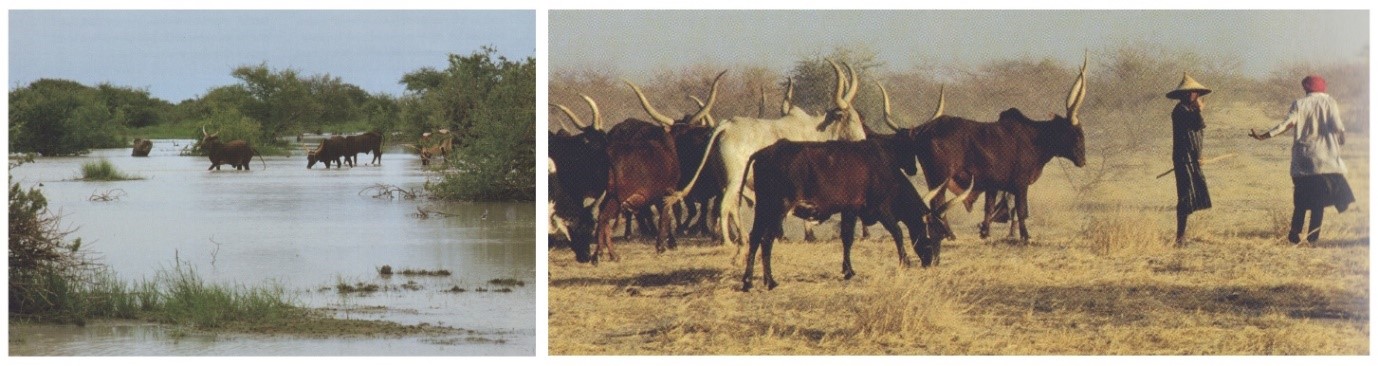 Figure 5.2 – Wet and dry season pastures used by the Woɗaaɓe of southeastern Niger.
(Source: Schareika 2003, p.20, 38)
Pastoral communities may organize themselves based on the scale of the household, community or kinship group (Bollig et al 2013; Cliggett 2005; Evans-Pritchard 1940; Honeychurch 2013; Manoli et al 2014). Different management strategies may be particularly important where cattle, goat and sheep are all kept, because sheep and goat are often herded together but cattle are usually, although not always, herded separately due to different requirements and tolerances (Anderson et al 2012; Dahl and Hjort 1976, p.250; Dyson-Hudson and Dyson-Hudson 1980; Niamir 1991, p.2-3; Voth 2014). These ways of organizing may change over time, particularly in response to economic and social stress, with workforces and management structures altering as circumstances change in the shorter or longer term (Manger et al 1996 chapters 6 and 7; Manoli et al 2014; Wengrow and Graeber 2015). Some of these can be difficult to identify archaeologically (Barich 1998; Cribb 1991; Gifford-Gonzalez 1998).
Amongst the most important decisions are those concerning the wellbeing of herds; for example when to mobilize, where herds are grazed, how many animals are to be slaughtered and at what age, how many individuals are removed from the herd for loans and reciprocal arrangements, and how many are sold in exchange for other products (Dalal-Clayton et al 2003; Manger et al 1996; Mortimore 1998; Schareika 2003; Sen 1999, p.165-9). Of these, the question of when to move herds is amongst the most crucial. Stenning (1957, p.206-207) defines seven terms applied by the Fulani to different types of movement at different times of year, indicating how flexible and strategic mobile production can be. Mobile pastoralism may be sedentary (including ranching), fully nomadic (when mobility is high and may be irregular in its patterns), partially nomadic (where part of the community remain in situ at a home base and the herds are moved elsewhere seaonally), or transhumant (when movement is seasonal, often between two fixed locations). There are considerable variations within these broad categories. Movement tends to be dictated by the needs of cattle or other livestock, and different groups have specific criteria for evaluating land and its resources. The Himba of Namibia, for example, experience considerable resource heterogeneity and use five values for assessing an area: the position in the landscape in relation to key resources, location with a view to accessing dry-season water, and the quality of pasture for fodder and the accessibility to a location for cattle (Schnegg and Welle 2007). In drylands the most common solutions are nomadic or semi-nomadic livelihoods (IFAD 2009; Moss 1992, p.69). For example, the Fulani Borobo nomads are continually on the move between pastures and markets whereas the semi-nomadic Fulani have year-long settlements where they cultivate but their herds continue to be mobile (Binns 1992). Other factors also determine the timing of movements and the destinations, including seasonal plant availability for food and crafts, markets, kinship events such as weddings and funerals, and raw material sourcing.
Concepts of ownership may be complex for pastoralists, focusing on the ownership of animals, grazing rights at seasonal rangelands, access to essential water sources, and the ability to move herds between rangelands over intervening landscapes (Bontkes 1991; McCann 1998; Dasgupta 1997, p.9; Holland 1990, p.223; IFAD Rural Poverty Portal 2007; Harir 1996, chapter 3; Quan 1998, p.167; Weber and Horst 2011). Grazing land and water sources are always required, but land ownership is not always a condition of use and access can sometimes be negotiated, unless conditions of stress cause friction over resource usage (Bardhan and Ray 2008; Dasgupta and Heal 1979; DFID 2000a; Manger et al 1996; Ostrom 2008; Tiffen 1996). McCann (1988, p.284) describes the concept of pastoral land in northeast Ethiopia as “a multi-layered set of claims over transfer, direct access, and exchange of land rights over income from its products negotiated between producing and elite classes.” Secure access to essential resources will not guarantee sustainability, but lack of secure access will represent a major and possibly insurmountable risk to any group and gaining access to grazing land is dependent upon a number of factors, including permanent territorial right and negotiated temporary rights (Bardham and Ray 2008; Brickington 2005; Dasgupta and Heal 1979; DID 2000; Manger et al 1996; Ostrom 2008; Tiffen 1996). Access can be challenged by limiting factors, including seasonal failures of rainfall and floods, population density, endemic human and animal disease and pests, overgrazing, desertification the need to prioritize information flows within and between communities, and territorial conflicts (Baron 1981; Weber and Horst 2011).
Pastoral activities may appear to be primarily ecological and economic but are usually guided by other factors that are embedded into social tradition and belief (Evans-Pritchard 1940; Fre 2018, p. 8; Dahl and Hjort 1976; Deng 1972; Dyson-Hudson and Dyson-Hudson 1980; Hodder 1990; Oma 2010; Orton 2010; Honeychurch and Makarewicz 2016, p.350-352). In archaeology may be explored via cultural output and funerary practices (Brunton and Caton-Thompson 1928; Flores 2003; Gatto 2011; von Czerniewicz et al 2004; Weber and Horst 2011, p.1-2; Wengrow 2001; Zboray 2003). This is pursued further in the case studies.
5.2.3 Agro-pastoral livelihoods (dryland mixed farming)
Agro-pastoral systems in North Africa can survive in drylands with annual rainfall of 150-300mm (Dixon 2001, p.89-90) but like pastoralism are subject to environmental variability and have their own mechanisms for spreading risk via subsistence strategies and social networks (Layton 2002, p.70). In marginal areas mixed agriculture, which combines herding and cultivation, tends to resemble modern smallholder agriculture and horticulture (Hobbs 1989; Manger et al 1996). Mixed farming concentrates at least part of a community’s cultivation and livestock production activities in a given area because cultivation requires the tending of plots for the duration of the season, from planting until harvest. Cultivation maximizes the production value of a given area of land and may generate surpluses for storage as insurance against hard times but may be impacted by environmental downturn and only takes place where sufficient water is available to support the growth of plants (Dalal-Clayton 2003, p.48; Davie 2002; Gerrard 2000; Mortimore 1998). Amongst pastoralists, cultivation tends to take place on small scale horticultural plots.
The output of pastoralist cultivation will be influenced by, for example, climate, soil quality, available energy in the form of labour, and technology. Plant diseases can be very damaging, attacking favoured animal fodder, human wild plant resources and cultivated crops, as can wild animals, rodents, insects and domesticated animals that are not penned or herded away from crops. These difficulties can be exacerbated when a limited range of crops are planted in close stands (Moss 1992, p.58). In spite of the difficulties, even in very arid areas tiny horticultural plots may be viable at the right season for the right crops (Hobbs 1989; Manger et al 1996; Rautman 1996; Yokell 2004).
Cultivation and herding are compatible when there is sufficient land to accommodate both cultivation and livestock. The type of system chosen “may be constrained by socio-economic conditions or extended by techniques which minimize or overcome physical limiting factors or by economic protection” (Tivy 1990, p.5-6). Agricultural production often increases the range of fodder available to animals when compared to natural resources alone, with crop residues and agricultural weeds adding to the mix (Scoones 1995b). In dryland environments crop growing can be hazardous and the presence of livestock can be of critical importance when crops fail. Strategies to protect crops from herds may involve localized solutions such as confining herds to the village environs, penning, or more long-distance solutions such as transhumance or fully nomadic lifestyles (Hall et al 2001). Herds can also graze on agricultural fields where the unwanted remnant stubble of a harvest are left behind, particularly useful when parts of cereals and legumes are indigestible for humans (McCown et al 1979; Onwuka et al 1997), converting unusable plant matter into sustenance for livestock.
Conflicts may occur when there is not sufficient land to support both cultivation and herds (Hussein 1998; Okeke 2014; Vlasich 2005). When cultivation consumes land used for pasture, or when herds begin to feed on crops when there is insufficient pasture, an alternative grazing solution must be found (Erman 1971, p.439; Vlasich 2005). In the 1970s, Sandawe subsistence was based on domesticated crops supplemented by livestock production but hunting and gathering were still important (Newman 1970, p.27). Where crops are a major part of a subsistence strategy, and depending on the size of the population and the rate at which it expands, social inequality may be the result of differential access to labour and land in agro-pastoral and fully agricultural societies (Layton 2002, p.74).
Cultivation and horticulture are also compatible with hunting, and some farming communities still retain a hunting component in their livelihood strategies. The Ik, for example, who live along the Ugandan-Sudanese border have an important agricultural component, but about one in every five years they revert almost exclusively to hunting and plant collection, whilst the Bedik of southern Senegal used to shift for months at a time to foraging when agricultural products were depleted (Atherton 1983, p.83).
5.2.4 Hunting and gathering – a different form of mobility
Hunting and gathering and pastoralism have been traditional ways of dealing with the vagaries of dryland environments. The ability to mobilize increases the area over which resources can be exploited, requiring little ongoing investment (barring livestock disease or other shock to the system) increasing the potential of poor quality land, providing protein when required, and building in the flexibility to relocate on seasonal bases to find more suitable supplies of water and grazing (Abraham 2006; Minnis 1996). Both livelihoods require a careful balance to be made between animals and environmental resources and between animals and people (Binns 1992). Hunter-gatherer groups, however, are organized differently from pastoralists.
Nomadic pastoralists, whilst bearing superficial resemblance to hunter gatherers in a number of ways, are actually far less flexible in social terms due to the detailed requirements for use of specific geographical areas and defined resources (Binns 1992; DID 2000; Holland 1990). This is a key difference between exploiting and managing resources (Binns 1992). Where groups have added the complexity of management of domesticates to their subsistence strategies, formal social and economic systems need to be put into place, control over grazing lands and water holes needs to be established and new patterns if movement and land use require the formalization of relationships between groups, as well as within them, and this tends to lead to increasing complexity (Pelto and Pelto 1979; MacDonald 1998; Weber and Horst 2011). Land tenure agreements and the concepts of property, ownership and inheritance all come into play. Whereas most hunter-gatherer groups make decisions and organize their subsistence activities at the level of the group, pastoralists generally organize themselves at the level of the household, with families owning herds and making decisions about risk management including specialization, diversification, storage and other strategies to mitigate conditions (Bollig and Schnegg 2013).
5.3 The Nature of Risk and Uncertainty
5.3.1 Defining Risk and Uncertainty
Various different definitions of risk and uncertainty exist, and are used inconsistently (Bollig 2006, p.7-16). I am using Knight’s classic 1921 distinction in which risk is a situation where the outcome of a given situation is unknown but an informed decision can be made based on existing knowledge and up to date information. Uncertainty refers to a situation where much or all of the information needed in order to make a decision is absent (Knight 1921). Knightian uncertainty builds on the 18th Century ideas of Thomas Bayes, who also believed that probability measured a state of knowledge (de Finetti, B. 1974).
The data used to decide whether a decision is more or less likely to succeed than any other actiontranslates into a way of measuring risk called probability (Bennett 1998). Probabilies, whether formal (such as numerical models like decisions trees) or informal (such as using experience and information to plump for an option, underlie all decision making. However, when knowledge and experience are challenged by new situations and up to date information is either unavailable or does not help, risk tips into uncertainty, and probabilities cannot be calculated with confidence. Examples include situations in which an unexpected occurrence or series of occurrences, like successive droughtsproduce a situation that lies outside accumulated experience. Even in modern situations probabilities cannot be measured with accuracy in situations of uncertainty, where insufficient information is available to assign probabilities with confidence (Cancian 1980; Segal 1994). The difference between risk and uncertainty is the difference between making informed and uninformed decisions. Decisions made under conditions of risk are based on knowledge and experience, albeit sometimes modified by ideological and religious belief, whereas those under conditions of uncertainty are often made without confidence and outside the usual framework of knowledge and experience. This is the tipping point between risk and uncertainty. Dean (1988, p.30-31) distinguishes between Low Frequency and High Frequency processes, in which High Frequency processes are measured within the cycle of a season or a year and are likely to be recognized and predictable, as opposed to Low Frequency processes are distinguished by changes that take place at a generational level of around 25 years, during which rates of change are difficult to perceive. Long term change is often unperceived until after its basic trends have become rooted, by which time it may be difficult to respond in a sustainable manner (Dean 1988; Johnson and Anderson 1988, p.11; Robinson 2004).
5.3.2 Risk management
Risk management involves decisions that are made on the basis of inherited and acquired knowledge combined with up to date information. At the heart of risk management is knowledge that is inherited and transmitted (Al Tabini et al 2012; Anderson 2005; Berkes 2012; Berkes et al 2003; Dika Godana 2016; Müller et al 2007; Schareika 2003, 2014) and information that is acquired in real time. Knowledge encompasses not merely economic activity and skills, but the concepts and meanings that contribute to social identity. Up to date information is also of essential value in applying knowledge and experience to current situations (Harir 1996, p.95; Schareika 2014, p.2, 4). Knowledge, experience and information acquisition are discussed in more detail below in 5.4.10. but it should be noted here that whilst modern decision makers may define a single optimal result (usually profit) it is possible that people use knowledge and information achieve multiple outcomes across various realms of life when taking ostensibly economic decisions, including the reinforcement of social networks (Simon 1957). The greater the participation in an activity, the more knowledge will be acquired over time in terms of concepts, meanings, skills and routines (Brouwers 1993, p.30; Liwenga 2003, p.28).
An important objective of risk-management strategies is to achieve the sustainability of a preferred livelihood whilst maintaining cultural identity. In this sense sustainability is a negative feedback loop, a “return to an equilibrium state after a temporary disturbance” (Mortimore 1998, p.17) and is a usual condition of livelihoods that operate under conditions of risk. These are the conditions under which the most fortunate dryland inhabitants make their livings today, maintaining a flexible approach to livelihood management in order to incorporate inherent instability. The Department For International Development (DFID 2000a) regards dryland inhabitants as living within a context of vulnerability, with “access to certain assets or poverty reducing factors” which acquire meaning “through the prevailing social, institutional and organizational environment” (DFID 2000a, p.14). Jallow points out that traditional African societies have been extremely effective in the past in terms of sustainability: “contrary to the general view reflected in the literature, traditional African societies have long been able only to maintain a reasonable level of ecological balance through their land use practises, but were able to adjust to and live with natural hazards” (Jallow 1990, p.191-2). Abraham echoes this point (2006). Support for pastoralism in dryland environments is incresingly provided by governments who are now being advised that nomadism is an economically viable way of using land that is unsuitable for other subsistence practices.
Drought is the most common of the vulnerabilities that threaten dryland communities and their rangelands, which may result in famine (Behnke and Scoones 1993; Dalal Clayton et al 2003; Mortimore 1989; Mortimore 1998; Seely 2006). Where drought is restricted to one season, it can usually be managed by existing drought management techniques (Johnson and Anderson 1988; Mortimore and Adams 1999) but repeated drought is more difficult to survive and usually results in a high rate of mortality due to famine and disease, as demonstrated by a range of modern famines such as those in northeast Africa in 1839, 1880, 1890, 1913, the late 1920s, the early 1930s, and during the 1970s and 80s (Laity 2008; Johnson and Anderson 1988; Mortimore and Adams 1999; Sen 1983, 1999). Some livestock may be lost due to starvation, leaving them at their weakest when rainfall produces new pasture, which they may be unable to digest due to inadequate rumen function (Yami 2008, p.117). Animal disease is also common. For example, water carries with it a number of inherent dangers, particularly when it is of poor quality, or when associated with particular animal species. Such diseases may be viral, bacterial or parasitic (Moss 1992, p.58) and may include botulism, cholera, diarrheal diseases, schistosomiasis, leptospirosis, foot and mouth disease, brucellosis, rabies, anthrax, rinderpest, tsetse-related trypanosomiasis, parasitic anaplasmosis and malaria (Bollig 2006, p.124; Catley 2002; Dieckmann 2013, p.273; FAO 2001c; Schrimpf and Feil 2012, p.22). Other diseases are transported by different carriers and may impact herds, wildlife and humans. The most damaging of the diseases spread rapidly and can cause both production losses and fatalities (Moss 1992, p.58). Famines are inherently associated with disease caused by debilitation of human immune systems, breakdown of sanitary arrangements, the presence of decaying corpses (animal and human), en masse population movements and infectious spread of diseases endemic in the region” (Mortimore and Adams 1999; Sen 1999). Plant diseases are also problematic, attacking favoured animal fodder, human wild plant resources and cultivated crops. Minor periods of drought are difficult to recognize archaeologically, but more severe cases may be represented by climatic data, geophysical indicators and by changes in the archaeological record, such as reduced settlement density and abandonment, both of which happened at the end of the mid-Holocene.
Traditional ideas of the Sahara’s ecological background as one of relative stability have been undermined by both the droughts of the last 200 years and research into climate change that has taken place in the last few decades, which now characterizes the climate of the Sahara as disequilibrial with periods of low rainfall being common (Behnke and Scoones 1993; Grove 1976; Johnson and Anderson 1988; Mortimore 1989; Nicholson 1978; Pratt and Gwynne 1977). This has also challenged the view that human adaptation to environments provided pastoral communities with an element of stability in their livelihoods from one year to the next (Smith 1992), with more recent research indicating that disequilibrium in environments and a corresponding impact on human livelihoods is a common phenomenon in dryland areas, and that pastoralists have to be correspondingly flexible to handle these conditions (Behnke and Scoones 1993; Galaty 2013; Jesse et al 2013; Mortimore and Adams 1988; Mortimore 1998). The result of this variability is that pastoralists vary their activities and movements according to what they find on a seasonal, inter-annual and longer term basis (Bollig and Schnegg 2013, p.2; Johnson and Anderson 1988, p.6). The need to make decisions about how to cope with a given situation is ongoing, and may “change every year, or even several times a year” (Moritmore 1998, p.39-40). Johnson and Anderson characterize the situation well: “Throughout much of the region, environmental adversity is to be expected at intervals. The social dynamics operating within and between communities are accordingly concentrated around the need to minimise the risks that are evident in a harsh and capricious environment. Of course, no society can achieve perfect elasticity in its response to changing environmental conditions, but human action seeks to mitigate the effects of such adversity” (Johnson and Anderson 1988, p.6).
There are many variations in subsistence economies in dryland areas precisely because localized differences may require specific adaptations and responses. Seeley (2006, p.28) points out that these adaptations are predominantly behavioural, cultural and technological, because whilst animals and plants are biologically adaptable humans have few morphological and physiological tricks up their sleeves to assist with environmental conditions. There are many different variables acting on resource managers, which often include those that are not explicitly economic. These may include family or social pressures, the desire for status, personal preferences, religious motivations, judicial systems and local tradition (Banerjee and Duflo 2007; Carrier and Miller 1999; Dasgupta 1997; Eyhorn 2006, p.44-5; Masood and Shaffer 2006; Sen 1999). No single variable determines a single outcome, and combinations of variables may result in different outcomes depending on different environmental circumstances and cultural traditions. Campbell and Sayer emphasise that different groups of people will respond differently to the same challenges because they have assembled different “lifeworlds,” different views of the world based on everyday experience, identity and tradition (2004, p.60-63).
In recent years it has become clear that perception of risk, including psychological, sociological and anthropological factors, is a major influence on risk handling (Kuper. A and Kuper 1985; Scoones 1996, p.162; Supras Consult 2006, p.2), often referred to as “social risk.” The Supras Consult report refers to this as the “socio-metric paradigm, which views perceptions of risk and their degree of acceptability as part of a culturally and societal determined moral order.” (p.3). Social and economic strategies impact not only subsistence strategies but the cultural context within which they exist. This means that any predictions about rational actions may be falsified by apparently irrational but realistic behaviours (Carney 1998; DFID 2000, p.14; Holland 1990). Vulnerability may be caused by social, political and economic factors as well as natural factors, because of how lives of people are structured (Blaikie et al 1994, p.3). Participation in any level of communal project, whether it is contributing knowledge to a decision about where to find water (Schareika 2014), how to adapt to a new area due to forced migration (Cliggett 2005) or what the losses might be in constructing a ceremonial monument (Richards 2004; 2013) may involve risk to the individual and their status in a community depending on the outcome, or risk to an entire belief system (the latter referred to by Richards, 2013 p.12-13, as “symbolic risk”). Social and symbolic risk are explored in the case studies.
Decision-making is difficult to identify archaeologically, but is inherent in risk management. Based on Langley et al (1995), Boholm et al (2013) describe three common errors in understanding how decisions are made: 1) reification, “a tendency to treat a decision as an object rather than a social construct” (Boholm et al 2013, p.100), 2) dehumanization, which implies that all decisions are rational without reference to experience, memory or social process, all influences that can alter how decision are perceived and what decisions are made; and 3) isolation, the assumption that decisions are divorced from other decisions and the process that provide the dynamic context in which decisions are made. Decisions may also be heavily influenced by what others in the neighbouring area are doing and perception of the risks that they are taking (Boholm et al 2013, p.100-105). Finally, they comment that decisions “have a dubious ontology since it is not always clear from the facts at hand if there is a decision or not” and that even if it is determined that a decision has been made, it may remain unclear what the decision entails and how it came into being.
5.3.3 Uncertainty
When an unprecedented or unexpected disaster occurs, such as a drought that continues for many seasons, experience may not be sufficient to inform decisions about coping, and the scenario can tip towards uncertainty. Sen suggests that problems of sudden catastrophic drought is usually the result of sudden collapse in access to food, and not a reduction in a typical level of consumption in a slow trend (Sen 1983, p.39-41). Blaikie et al (1994) see a complex combination of three factors, which they identify as root causes, dynamic pressures and unsafe conditions. Root causes are the ideological processes that determine allocation and distribution of resources and may affect the ability of some people to cope in times of stress. Dynamic pressures may include population growth or environmental stress, translating root causes into a situation of vulnerability. Unsafe conditions are the tipping points, like unsustainable livelihoods, endemic disease, or repeated droughts. The three conditions can lead, according to Blaikie et al, to catastrophe. The Great Ethiopian famine of 1888-1892 (Johnson and Adams p.48-9) had three causes: a disastrous epidemic of rinderpest, which killed up to an estimated 90% of the country’s cattle, drought more or less simultaneously leading to the failure of harvest, and this was followed by outbreaks of locusts and caterpillars that demolished the wild plant life that might have been used as famine foods (Johnson and Anderson 1988, p.48-9). Migrant swarming locusts have complex behaviour patterns that are difficult to predict even today and can destroy up to 100% of green crops and fodder (Mortimore 1998). All aspects of people’s livelihoods collapsed together (Johnson and Adams p.48-9). Extensive migration followed, with many people dying en route. The famine was followed by new epidemics of typhus, cholera, smallpox, dysentery and influenza due to the insanitary conditions, the exposed corpses, the weakened stamina of the starving and undermined immune systems. The worst drought of the 20th Century was probably the Sahel drought, which lasted from the late 1960s into the early 1980s and killed one million people and adversely impacted 50 million more (Mackintosh 2011).
Changes in circumstance, however they are derived, undermine the value of knowledge about the environment and the best decisions to be made under conditions of everyday risk, increasing vulnerability (Jandrea and Berkes 2016). Even social networks, which in many kinship groups are very robust, may break down, leaving traditional forms of insurance and support unavailable (Bardham and Ray 2008; Boserup 1970; Brickinton 2005; Cliggett 2005; Dalal-Clayton et al 2003; Ostrom 2008; Tiffen 1996). Even social networks, which in many kinship groups are very robust, may break down, leaving traditional forms of insurance and support unavailable (Bardhan and Ray 2008; Cliggett 2005; Dalal-Clayton et al 2003; Ostrom 2008; Tiffen 1996).
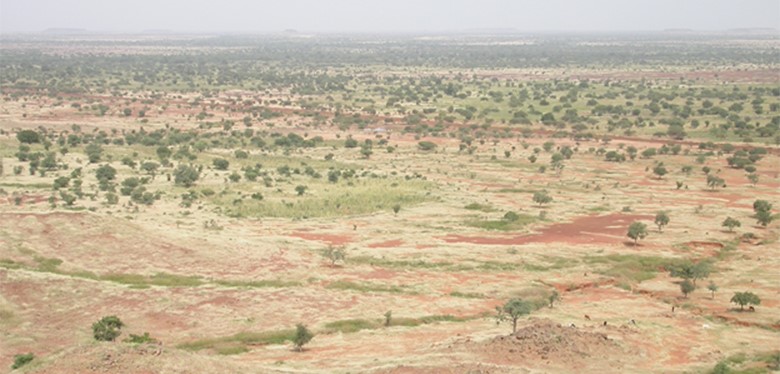 Figure 5.3 – View of a degrading landscape in Niger (Source: Patrice Savadogo
http://drylandsystems.cgiar.org/regions/west-african-sahel-and-dry-savannas)
When the situation becomes extreme and norms are no longer sustainable, disequilibrium requires emergency action and difficult decisions have to be made (Behnke and Scoones 1993). This means serious changes to fundamental aspects of life that are valued by individuals, households and the community, including changed economic activity, loss of homes and territory, social breakdown, the loss of religious faith, identity or even the loss of life itself (Cliggett 2005; Dalal-Clayton et al 203, p.48; Mortimore and Adams 1999, p.2; Silberbauer 1981; Toulmin 1992, p.236). Many of the decisions made at these times, disrupting not only subsistence but cultural foundations, are far from straight forward. Unlike conditions of risk, complete disequilibrium may be the difference between life and death, and during this usually traumatic process of survival societies may be redefined: “These events can lead to the social disintegration so often recorded, especially when combined with epidemics, as such events often are. Catastrophic shortages can set conditions for radical social/cultural transformations” (Minnis 1996, p. 70).
Sometimes the very strategies employed to cope with risk, for example mobilizing the group to a water source, are the very things that lead to uncertainty, beginning with irreversible damage to the land that supports the livelihood practiced. Amongst pastoralists and agro-pastoralists, the need to gather around water sources like lakes and wells during drought conditions concentrates animal grazing in the immediate areas, eventually causing the surrounding biomass to disappear. This can be exacerbated by the replacement of cattle with sheep under times of stress. Sheep are more flexible, less costly to feed and produce offspring more frequently than cattle, so cattle may be sold or consumed in favour of sheep, which are actually more destructive of biomass (Hall et al 2001, p.112). The long-term loss of biomass will significantly reduce livelihood sustainability and may permanently change the character of the environment, either towards shrub-land or towards desert, although the processes that are involved in desertification (and the process of desertification itself) are frequently under dispute (Manger et al 1996; Mortimore 1998; Scoones 1996; Swift 1996; Toulmin 1992).
Drought is often one of the causal factors in uncertainty. Where droughts are occasional and do not last for multiple seasons, they can be managed. However, where droughts are ongoing, famines may result in thousands or millions of deaths (Laity 2008; Nicholson 2001; Sen 1983). Famines are inherently associated with collapse of economic and social mechanisms, population movements and disease caused by debilitation of human immune systems, breakdown of sanitary arrangements, and the presence of decaying corpses (animal and human) (Mortimore 1989; Mortimore and Adams 1999; Macintosh 2011; Moss 1992, p.58; Pankhurst and Johnson 1988; Sen 1999). Examples are distressingly numerous. The potato famine in Ireland in 1845-51 killed one fifth of the population (Mockyr 1983); after the drought of 1769-73 in Bengal, India there were up to 10 million deaths (Sen 1983); and between 1968 and 1973 in the African Sahel 100,000 people were dead by 1973 due to a 20-40% reduction in rainfall (Laity 2008; Nicholson 2001; Sen 1983). The drought of 1888-1892 in Ethiopia and the Sudan (Pankhurst and Johnson 1988) began when the rains failed in 1887, and what followed over the next years resulted in a tragic loss of life. Following the collapse of local economies, including the failure of crops and the death of herds, people faced starvation, cholera epidemics, invasion of communities by scavenging carnivores and cannibalism. The 1968-74 drought in certain areas of the Niger resulted in the decimation of herds of cattle and sheep, which had not recovered six years after the end of the drought. There are many more examples, and most of these tragedies have more than one cause.
Decisions made under conditions of such extreme uncertainty are most likely to force economic and social change, because they tend to be the conditions that are the most difficult from which to recover. An understanding of how decisions are made under conditions of uncertainty without informed probability becomes one of allocating almost entirely random probabilities (Cashdan 1999, p.2). Uncertainty is most likely to hit vulnerable groups the hardest (Sen 1983, 1999).
Finally it should be noted that some opportunities for managing disaster, like new technology, may also represent uncertainty if unaccompanied by the incorporation of the knowledge required to implement and support it safely in the short-term and over the long-term. Where a new technology or a new innovation has been invested in but is unaccompanied by knowledge about how to incorporate, implement or sustain it, this puts the investment of acquisition and labour at risk. Under such circumstances there is little means of making up for that lack of knowledge, and that represents the onset of uncertainty (Cancian 1980; Dalal-Clayton et al 2003; Vierra 2005a; Vlasich 2005).
5.4 Coping with Risk
Groups subsisting in marginal environments use a priori knowledge to assess the value of various outcome and make decisions about hte most appropriate subsistence strategies. This means that decisions have a high probability of being suitably informed responses. This has led to three major inter-related livelihood strategies in dryland areas (Seely 2006; Atherton 1983):
- Hunting and gathering (and fishing)
- Domestic livestock herding and foraging (and fishing) on a semi-nomadic or nomadic basis, sometimes supplemented by hunting
- Irrigated and rain-fed horticulture and agriculture on a sedentary or semi-nomadic basis, often supplemented with other food production strategies
Listed below are a selection of strategies that might have been available to pastoral decision makers. The reality is that a) not all possibilities will be available to all people, b) only some will be available at any one time, and as matters deteriorate those options will contract, c) not all people will be aware of all possible options available to them at any one time and d) even where numerous possibilities are known, some will be preferred for reasons beyond the strictly economical, including traditions, taboos, community values, personal preferences and considerations of social risk (Behnke et al 1993; Cliggett 2005; Morgan 1992; Mortimore 1998; Schareika 2003, 2014). Each of these options has had books and papers dedicated to them, and only a brief overview of these options can be provided here.
5.4.1 Diversification
Long term coping strategies depend very much on willingness to adapt, take up new opportunities and innovate. One solution is diversification (Cliggett 2005; Cronk 2004; Galaty 1991; Galvin 2009; Manger et al 1996; Robinson 2004; Schnegg and Bolten 2007). Diversification is “the classic hedge against risk of all kinds” (Mortimore 1998, p.87). Mortimore and Adams observe that “It is by now a rather banal observation that income diversification is a means of spreading risk” (1999, p.121). Today most pastoral groups supplement their livelihoods with at least one other livelihood strategy, sometimes by diversifying into urban rather than rural work (Bollig and Osterle 2013; Casimir and Bollig 1994; Jacobs 1975).
Many pastoral communities maintain a diversified range of stock so that no single breed dominates and benefits of each can be depended upon at different times (Ndege 2006; Salzman 2004). Those groups that have a traditionally narrow range of livestock may diversify in response to reduced biomass in abnormal seasons as a temporary means of reducing stress (DFID 2000a), benefitting from complementary characteristics of species to ensure sustainability. The main trio of livestock used during the mid Holocene and still combined today, cattle, sheep and goat, have complementary characteristics that help pastoralists to sustain their livelihoods. Cattle are highly prized because although they they require heavy investment in terms of management and care, they provide high volumes of milk and have 3.4 to 4.5 times more calorific value as meat than goat and sheep respectively (Russell 1988). However, although they need water more frequently ovicaprids require less water and will make do with rough browsing (sheep) and scrub (goats) (Yokell 2004) and will endure where large stock cannot in the face of disease and drought (Salzman 2004, p.7). Goat are also well adapted to highland zones, meaning that they can be herded vertically as well as horizontally. In the face of drought or disease, it is much more difficult to restore a herd of cattle, as a cow can only reproduce under optimal conditions, and after it has reached two years of age, usually producing only one calf once a year. Ovicaprids can reproduce after only a few months under sub-optimal conditions and will produce offspring twice a year and are likely to give birth to more than one offspring at a time (Dahl and Hjort 1976; Linseele 2010). Maintaining a number of species therefore helps pastoralists to spread risk and maximize nutritional intake. Some of the Maasai keep cattle, sheep and goat in order to make good use of different types of grazing environments and to insure against the faiulre of any one specie (Ryand 2002, p.97). Similarly, cultivators will often maintain herds to insure against crop failures. Amongst the Tonga of the Gwembe, for example, land has dropped in value because land tenure no longer supplies a secure and reliable food base. Instead, cattle has become the most valued resource because not only do they provide security in times of emergency, when they can be sold for food, but they confer social status upon the owner because they are an indication of wealth and leadership, and may have considerable symbolic value (Cliggett 2005), an observation that has been made in the case of many other pastoral groups (e.g. Crandall 1998; Evans-Pritchard 1940; Lienhardt 1961; Linseele 2010; Ryan 2002; Wengrow 2001).
Plant foods are also used to diversify food acquisition and the intake of nutrition in pastoralist communities. Most are collected in the wild and some wild stands are curated (Anderson 2005) and groups may also grow crops in order to supplement their diet, either on a horticultural or partially agricultural basis (e.g. Hobbs 1989; Manger et al 1996). Agro-pastoralists may diversify not only by varying their livestock, but by using a number of different crops, which may require different environments and the dispersing of fields (Layton 2002, p.70). This requires quite complex arrangements to ensure that both herds and crops are given the care that they require.
Today, most groups are highly diversified: “It is useful to put aside the idea of a staged evolution of culture from hunting and gathering, through pastoralism and to farming, and to recognize that almost all rural Sahelian communities practice all three, and have done so for a very long time” (Mortimore and Adams 199. p.75). The Hadendowa of the northeastern Sudanese Beja, for example, live with minimal rainfall and sparse vegetation but balance herding and horticultural activities by practicing transhumance and by taking advantage of the benefits provided by modern industry (Manger et al 1996).
5.4.2 Specialization
Specialization is an opposing strategy to diversification, and is rare in dryland environments where risks are high and specialization limits choices (McCabe 2004; Salzman 1971). (Manger et al 1996; McCabe 2004; Salzman 1971). Its benefit is that all labour is focused on one high-value activity and, where conditions are mainly equilibrial and predictable, may bring with it a high degree of economic and social stability.
Specialization in pastoral economies usually focuses on the degree to which a community places most of its emphasis on pastoral activities rather than supplemental and diversified activities. Large herds of cattle, for example, may be maintained for both status reasons and to improve the chances of some members of the herd surviving during severe droughts (Dahl and Hjort 1976; Deshler 1965, p.167; Evans-Pritchard 1940). Deshler (1965) says that the loss of cattle during a dry season due partly to starvation, but also due to ailments associated with malnutrition, can reach 10-15% of herds. Those animals that do die of starvation can be eaten and their carcasses used in other ways, whilst surviving animals will be used to regenerate herds following drought. This strategy, however, carries a risk of the herds over-exploiting limited resources (Hassan 1986a; Pearce 1992; Sidahmed 2000; WRI 1994), although it should be noted that other studies have demonstrated that the impact of over-grazing is sometimes exaggerated, and that climate has a far more dramatic influence on biomass (Ellis 1992; Hiernaux 1993), particularly as pastoralists employ strategies for the preservation of pasture and other forms of vegetation (Sidahmed 1993).
Specialization may be influenced by non-economic factors. For example, where herds have an important status role as well as an economic purpose this may be decisive in concentrating focus on particularly livestock, as described in detail by Evans-Pritchard (1940).
Specialization comes with it the threat of the main resource being undermined by outside impacts. Drought, disease and theft are the greatest threats to specialized livelihoods. The Herero were highly specialized pastoral groups but in 1897 a crippling 95% of their herds were wiped out (Gewald 2000). The Maasai have traditionally been specialized pastoralists (Ndege 2006), but their lifestyle has come under threat due to competition for land in modern times.
As demonstrated above, most lifestyles are only specialized to a limited degree; few rely on only one form of production strategy, and many rely on opportunities for trade and exchange. Where pastoralists are referred to as specialists, it is often because instead of engaging in multiple forms of food production themselves, they engage in trade for their source of other products (Grillo 2014; Linseele 2013, p.149). Schareika describes the Woɗaaɓe of southeastern Niger as specialists because their economy is confined to cattle with a few sheep (Schareika 2003, p.9) but they sell livestock to buy grain (p.10), emphasizing how specialization is optimized when there is access to markets.
5.4.3 Opportunity, invention and innovation
Indigenous systems are far from rigid and show a good deal of flexibility as they respond to new conditions, for example when local ecologies change, populations grow, markets expand and new technologies or products become available. Many types of risk management strategy, like diversification of resource base and the adoption of specialized new technologiesand economic resources may be entirely dependent on brand new options becoming available and communicated (Dixon et al 2001, p.13). The introduction of Near Eastern sheep and goat into northern Africa in prehistory and the decision of groups to adopt them, followed later by the adoption of domesticated wheat and barley are examples of opportunities that were taken up, and can be detected archaeologically.
The term “opportunity” suggests a positive situation, but as Doolittle points out (2001, p.451) the mere presence or availability of a resource does not guarantee acceptance: “When it comes to explanatory value . . . diffusion is short on power. Just because things can diffuse does not mean that they will. One is forced to ask why people adopt an innovation.” In marginal environments the adoption of an innovation, even when it may look positive, represents a considerable risk not merely to economic security but to social organization and cultural norms, particularly at household level (Mokyr 1990, p.157-8; Vlasich 2005; Appendix D). Joseph Stiglitz (2014, p.14) emphasizes the degree to which humans are risk averse, and although he is talking about it in the context of vulnerability and the impact of shocks on an individual or group, it is also very relevant to how people approach opportunities. In both present and past the response to opportunities may be ambivalent because as well as bringing something potentially positive, opportunities are untried and untested by those assessing them, and may represente a high investment cost for a low return. Societies are often conservative and risk-averse than innovative, and are wary about upsetting traditional methods of food production (Abrahams 1996; Eyhorn 2006; Renfrew 1972, p.486; Stiglitz 2014, p.14; Sørensen 1989; Vlasich 2005). The value of traditions to groups has often been underestimated (Morgan 1992; Ness 1994; Ortiz 2005; Seeley 2006; Sen 1999; Vlasich 2006) but research has indicated that groups will fight to preserve their traditions in the face of the need to change livelihood strategies (e.g. Koenig 2006; Vlasich 2006), will resist attempts to change them to systems that, whilst offering apparent improvements in productivity may undermine traditional processes (DID 2000; Vlasich 2006), and will suffer when changes imposed on them force changes in their routines and values (e.g. Cliggett 2005). As Sen expresses it:
When an economic adjustment takes place, few tears are shed for the superseded methods of production and for overtaken technology. There may be some nostalgia for specialized and elegant objects . . . but in general old and discarded machinery is not particularly wanted. In the case of culture, however, lost traditions may be greatly missed. The demise of old ways can cause anguish and a deep sense of loss” (Sen 1999, p.231).
The lesson from development economics is, perhaps unsurprisingly, that the only changes that will ever be acceptable to groups being challenged by environmental deterioration, or unsustainable livelihoods are those that are compatible with local knowldge, social mechanisms and traditions (Masood and Schaffer 2006; Morgan 1992; Ness 1994; Sørensen 1989; Streeten et al 1981; Terrell and Hart 2008; Torrence and Van der Leeuw 1989). Groups will reject solutions to failing livelihood strategies if apparent improvements in productivity may undermine social values and structures (DFID 2000a; Koenig 2006; Vlasich 2005).
Even when new opportunities are incorporated into an existing livelihood system they may continue to represent high risk as alien interlopers that present as much of a threat as a potential benefit not only to existing economic practices but to household well-being and community identity (Mortimore 1998; Vlasich 2006). Vlasich highlights throughout his analysis of Puebloan Indian agriculture that between the 1500s and 1970s the Puebloan peasants rejected attempts to modernize them that was in conflict with religion, tradition and familiar practices (Vlasich 2005; see Appendix D). Opportunities are often taken up slowly, on an experimental basis and in a way that does not radically redesign their existing strategies (Hesse et al 1995). The costs of taking up an innovation that fails may be very high so must be carefully weighed (Mellor 2008, p.214-226). The risk of taking up a novel idea is judged on the basis of past experiences (van der Leeuw 1989, p.316) but also, when available, on the experiments of others. There may be a period during which some members of a community, early adopters, choose to take a risk by incorporating a novel way of doing things, whereas others will wait to see how that risk pays off (Bargatzky 1989; Layton 1989). Mokyr (1990, p.158) suggests that heads of extended families will be more cautious than heads of nuclear families because of the greater number of people depending upon their decisions. Where opportunities were taken up and change has taken place, corresponding changes in cultural output and ideological conceptualization can also be expected (Cligggett 2005; Hesse 1982; Smith, A.B. 2005, p.201).
In all scenarios, leaders and groups must be able to incorporate new knowledge, ideas and technology into their own reality and their own value systems (Vlasich 2005). Suggestions can come from outside but the impetus and the mode of assimilation with existing ideas and ways of doing things has to come from within (Hagmann et al 2002; Mortimore 1998). Knowledge of a new concept, material or technology is a key variable in the process of economic and social change. Berkes (2012) describes knowledge as a process which involves a tension between traditional accumulated ways of understanding the environment and structuring social behaviours around new sources of information that are acquired through learning, experimentation and sharing. The most visible aspects of invention and innovation in archaeological terms are the visibility of innovative production strategies (in craft, technology or food production), which implies not merely capital but also social investment and cultural interpretation (Ingold 2013; Sørensen 1989).
Finally, it should be noted that breaking out of one set of subsistence routines and establishing others in their place requires energy and the ability to think clearly, both of which are dependent upon reasonably good health and the ability to sustain the energy required for input into the new subsistence activities (Mokyr 1990, p.157). It is not difficult to imagine that opportunities might be taken up in times of incipient economic challenge, but it is very unlikely that they would be taken up in times of significant deprivation.
5.4.4 Mobility
Mobility is an important option for many pastoral communities, but is not necessarily a defining characteristic (Frachetti 2008, p.368; Jochim 1991, p.308). Marshall and Hildebrand (2002) define mobility as the ability to respond to unpredictable water and pasture by moving. Minnis refers to it as “a set of strategies that increases the spatial resource base” and goes on to point out that “the geographical scale of mobility is determined as much by the social landscape as by the natural environment” (Minnis 1996, p.60). Legge refers to mobility as “highly informed and flexible exploitation of the environment” (1989, p.83), whilst other authors emphasize that mobility is purposeful and informed, often regular and repeated, and not random (Salzman 2004, p.29; Schareika 2003; Orme 1981, p.260). In areas of marginal natural productivity and biodiversity, confining livestock to one place usually limits the potential productivity of a herd by relying on what may swiftly be limited resources. Mobility depends on knowledge of seasons, geography and ecology and the management of livestock and herd size (Lenssen-Erz and Linstädter 2010; Perrier 1995, p.52). The cost of moving a herd may become less than keeping it one place, permitting practical and sustainable use of available and water throughout a standard year (Behnke et al 1993; Schareika 2003; Stock 2013).
Hurcombe emphasizes that herds are not the only driver for mobility as the need to acquire plant materials for craft production also imposes demands upon communities that influence the need for mobility and the form it takes (Hurcombe 2014, p.64, 111, 164). As pastoral communities depend to an enormous extent on their connections with family in other communities, and the exchange of information that these provide, a certain amount of mobility is also required to maintain information flows between communities (Veth 2005).
The potential for mobility is an asset in dryland environments, enabling groups to abandon (temporarily, partially or permanently) areas where there is not sufficient water or food, and move to areas where there is the potential for richer resources (Lenssen-Erz and Linstädter 2010). Due to their flexibility in the face of environmental stress, the strongest livelihoods in arid and semi-arid environments tend to be those that are mobile or include a mobile component within their strategies. Today the Zeiyadiya of the Sudan cover up to 700km per year moving between desert, semi-desert and savannahs in order to maintain their herds (Mortimore 1998, p.60). As well as regular movements to cope with predictable seasonality, less predictable factors also demand mobility, including seasonal failures of rainfall and floods, population density, endemic human and animal disease and pests, overgrazing and desertification and even territorial conflicts (Baron 1981; Salzman 2004, p.29).
There are various sorts of mobility, from complete mobility in a circulatory pattern of temporary occupation (Binns 1992; Gould 1992; Rosen 2008; Wendrich and Barnard 2008) (figure 5.4d) to various types of partial mobility where a group moves between base camps and has wider temporary camps that it exploits from those base camps, and permanent bases from which herders part for part of the year to pasture their herds (Binns 1992) (figure 5.4b). Linseele distinguishes between nomadic pastoralists, who have an irregular pattern of movement, and transhumant pastoralists, who move between fixed points (2013, p.148) but there are many other variants within the overall concept of mobility. Some types of mobility may be little more than foraging or resource acquisition trips from a base camp (figure 5.4c) taking only weeks or days. Bernbeck refers to such mobile lifestyles as “multi-sited” (2008, p.66). Amongst the Toubou of Tibesti, for example, the Teda are fully nomadic, whilst the Daza are semi-nomadic, dispersing with cattle to pastures in dry seasons and returning to villages in the summer rainy season (Beltrami 1997). As Dyson-Hudson and Dyson-Hudson comment (1980, p.18) “since a unique constellation of ecological, political, economic and affective factors determines the patterns of movement of each pastoral group, and the specific movements of each independent herd owner within every pastoral society, it is not surprising that there is enormous variation in patterns of mobility.”
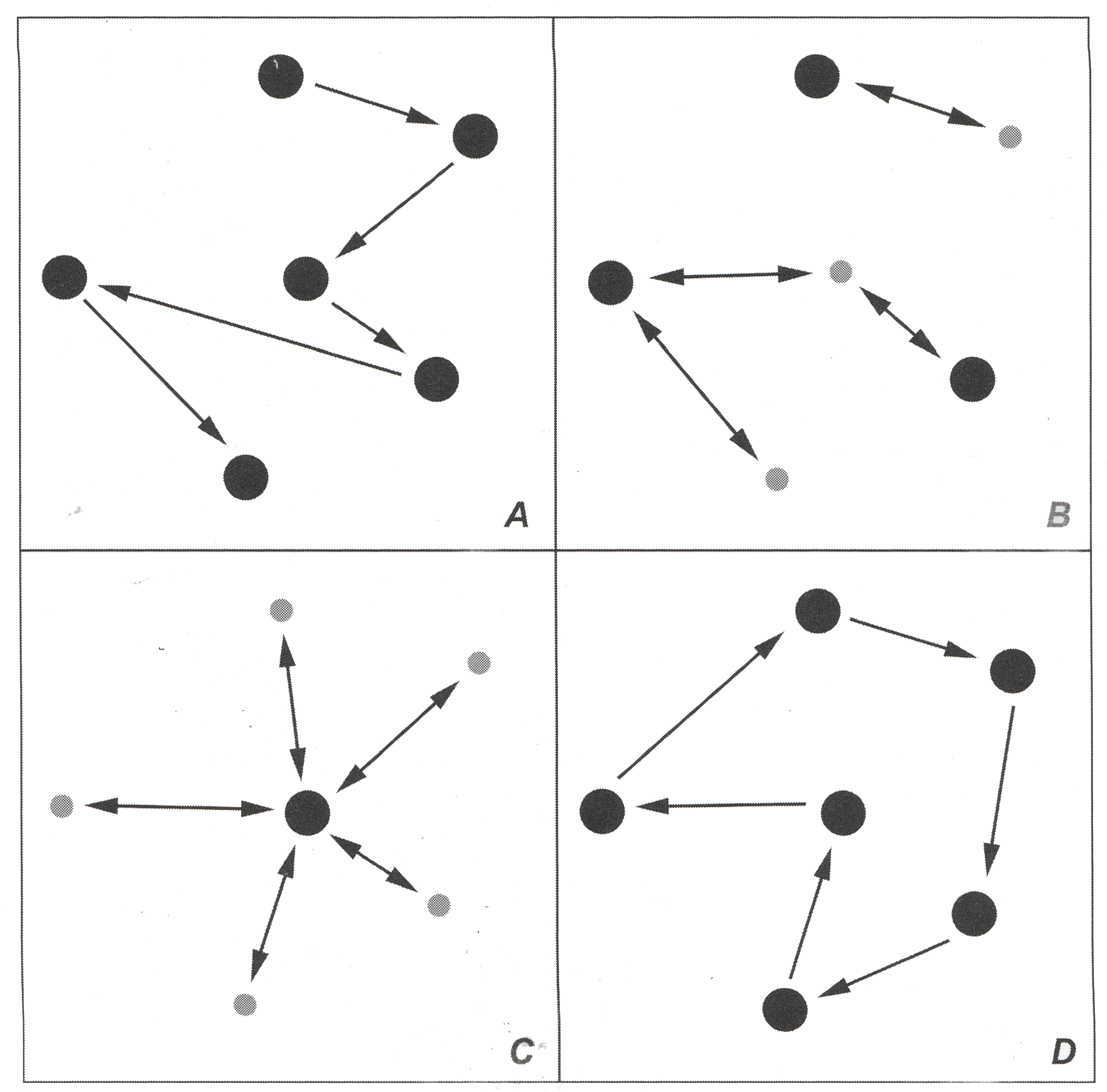 Figure 5.4 – Schematic representation of mobility patterns.
Black dots indicate the main group; grey dots indicate segments of the group.
(Source: Wendrich and Barnard 2008, p.5, figure 1.2)
Jochim emphasises that there are two main forms of potential variability, temporal and spatial (1991, p.309, 312). He discusses how variability in one and stability in the other, or variability in both, will result in different patterns of behaviour, and suggests the sorts of mobility and livelihood patterns that might occur under different scenarios (Jochim 1991, p.314-5). The main form of mobility is in response to seasonal variability in resource availability in a normal year. Herds may also be fussy eaters, and undesirable species may be a consideration for mobility as herders opt to select pastures where preferred species are growing (Jandreau et al 2016, p.1). The knowledge of the intricate mosaic of landscape profiles and their suitability of livestock are part of the successful exploitation of a landscape by herders. At times of difficulty when the range over which a group moves may be expanded in order to locate new pastures (Manger et al 1996; Stenning 1957; Veth 2005). Over time, some groups experience migratory drift, which is the displacement of traditional areas in favour of new ones (Stenning 1957), a form of long-term destocking that does not, however, prevent return to a favoured area after a period of absence.
Naimir (1991, p.4) suggests a number of variables influencing the patterns of movement chosen in addition to water and forage: location of salt licks, soil conditions, dew, heat and shade, avoidance of pests and diseased areas, proximity to markets, labour availability, cultural gatherings, territorial boundaries and social relations (particularly alliances and enmities).
Sheller and Urry (2006, p.210) emphasize that routes and points between nodes are also of primary importance in the task of moving herds from one place to another. Such movements may be constrained by social as well as environmental issues that are caused by changing allegiances, conflicts and reciprocal agreements (Legge 1989).
Concepts of ownership were mentioned above, and are particularly complex amongst mobile pastoralists. Land may be regarded as a communal resource by hunter-gatherers and some pastoralists or may be imbued with concepts of ownership or tenure (Binns 1992). Amongst the Hadendowa land is inherited or fought for and is imbued with concepts of honour and heritage and access to land is given by membership of a group by descent or marriage. Only lineage members can obtain water rights and the right to build a permanent residence (Manger et al 1996, p.152) although non-lineage members can obtain access for grazing but are not allowed to make permanent structures. This allows demonstrations of generosity. Disputes over land are carefully managed, with a tribal council taking part and a way of escalating to higher authority. The most extreme version this is of the right to land is ownership, which comes with agriculture and the working of patches of land (as small as horticulture and as large as field cultivation) (Manger et al 1996). Herders, whether exclusively pastoralist or agro-pastoralist, are usually bound by complex agreements about land and its resources, and who can and cannot have access and under what circumstances. Rights over resources may include water for herds and irrigation, trees and woodland, grazing pasture, hunting grounds fisheries and swidden fallows (Dasgupta 1997, p.9).
The sort of flexibility represented by mobility is easier with relatively small populations and simple social structures, and where mobility is built into an annual routine. The handling of heavy goods like pottery, pestles and mortars may be a difficulty but in some annual rounds they may be cached at a specific site and returned to later. In other instances they can be carried where suitable animals are available. Mobility is more difficult in more complex societies with larger populations where total or partial sedentism are included and where there is less control at the household level (O’Shea 1989). Territoriality, land tenure, disease and other factors may also limit mobility (Minnis 1996).
Mobility is probably best researched archaeologically at the landscape level (Frachetti 2008, p.374; Reimer 2010; Lenssen-Erz and Linstädter 2010), where landscapes are understood as both natural and cultural constructs (Ashmore and Knapp 1999; Bender 1992, 1993; Flint and Morphy 2000; Johnson 2007; McGlade 1995; Tilley 1994; Trifovic 2006; Whittle 2003 p.44-9). Where ephemeral remains are found and mobility is inferred, the lifestyle associated with such remains may not themselves be ephemeral or marginal, but are indications of how the landscape was used (MacFayden 2010, p.46).
5.4.5 Trade and Exchange
Trade and exchange transfer goods and services between communities to the probable benefit of all. There are several examples today of symbiotic relationships existing between hunters and agriculturalists, where the hunters provide meat in exchange for desirable goods, some necessities and some luxury items (Grillo 2014; Hobbs 1989; Nicolaisen 1989; Newman 1970). The contexts within which these exchanges and negotiations take place are far from simple, because as well as providing the opportunity to sell and buy, they also provide the opportunity to meet people, exchange information and reinforce relationships (Cligget 2005, p.81-83; Bollig 2009; Johnson 1999). Trade and exchange involve relationships of trust, price-setting and the acquisition of reliable information to enable good decisions to be made, not least about trustworthiness and the fluctuating value of goods (Bollig 2009; MacMillan 2002). Whilst information flows within communities vary fluidly, communication is less fluid between them (Seabright 1999, p.199). There are transaction costs involved in the acquisition of information, and the greater the distances between people and the difficulties of establishing contact, the higher the costs of the process (Harir 1996). As Agbe-Davies and Bauer emphasize, trade is a social activity “a concept that focuses not just on the movement of goods but also on the social context and consequences of the exchange” (2010, p.13). It is a process that connects people, not merely in short term transactions but long term relationships.
5.4.6 Raiding and theft
Raiding is the organized and illicit procurement of livestock by one tribe from another, and is widely although not universally practiced in pastoral economies (Manger et al 1996; Minnis 1996). It is endemic today in the Sahel and East Africa (Schilling et al 2012). Theft is the acquisition by an individual or individual household of a few animals to supplement their own herds (Clare et al 2008). Both can occur in times of wellbeing or hardship, but become far more common during times of need (Cliggett 2005). Schilling et al (2012) conclude, from their interviews with 376 members of the Turkana and Pokot communities in Kenya that the two main motives for raiding herds are hunger and drought on the one hand (the Turkana) and the expansion of wealth and the payment of dowry on the other (the Pokot). Amongst the Teda of Tibesti, theft is not condemned and organized raids took place even after they were brought under French and Italian control in 1918 (Beltrami 1997). In Zimbabwe the Ndebele and Bantu keep livestock, and cattle are so important that long-distance raids are undertaken into other ethnic territories in order to supplement herds (Schrimpf and Feil 2012, p.22). Somewhat ironically, the Karimojong distribute livestock when raiding has produced a surplus in order to establish reciprocal relationships (Salzman 2004).
The result for the victims may be loss of access to critical resources like water and pasture, loss of livestock, the breakdown of social structure, social networks, trade and exchange possibilities, social cohesion and economic stability, as well as damage to the status of individuals and the reduction of marriage possibilities, enforced migration and even lack of life (Frankenberger et al 2001; Schilling et al 2012). A more unexpected and indirect outcome is the spread of the disease from stolen livestock to new populations (Schilling et al 2012).
5.4.7 Famine foods and stint
A form of diversification, and a common response to shortages of preferred foods is to resort to foods that are not generally consumed. These famine foods may include wild species of grasses, wild animals, insects, raiding of termite nests for stored grain, leaves, roots, fruit, berries, roots, flowers, pods, seed oil and even tree bark, all of which may put pressure on biomass (Bollig 2006, p.198; Cliggett 2005; Harlan 1989, p.71; Minnis 1996; Moritmore 1998; Winterhalder 1981). Last resort resources are used when crops fail or when stores have been depleted and no preferred domestic or wild solutions are available. Following initial strategies, like selling or consuming reserves of livestock, the most common fall-back is to employ famine foods in greater quantities as food stress deepens (Winterhalder 1981). For some livelihood systems the natural diversity of the environment may be essential to success. The more diverse the wild resources, the greater the opportunity for spreading risk (Mortimore and Adams 1999; Newman 1970, p.34, Schrimpf and Feil 2012, p.24). This is particularly important where hunger foods are required. The agro-pastoral Sandawe of Tanzania, for example, will eat larvae, caterpillars, termites, roots, seeds and fruits that they would not normally consume when crop failures and droughts occur (Newman 1970, p.34). In Zambia wild fruits, vegetables and tubers not normally consumed will be foraged for, including some poisonous fruits which must be processed before they can be eaten (Schrimpf and Feil 2012, p.24). Hunger foods employed during the Sahel drought of 1972-1974 in northern Kano included ten species used in six hunderd and thirty one villages, mainly leaves from trees and forbs, thirty seven additional species in some villages, and twenty one others mentioned in accounts about Northern Nigerian livelihood management (Manger and Adams 1999, p.76-7). Amongst the Zuni a chant is passed down from one generation to the next to ensure that all members of the tribe know the various plants that can be used in times of hardship (Minnis 1996, p.62). As Orme warns, some resources are not exploited due to cultural factors which make some resources undesirable or forbidden: “Subsistence is determined not only by environment and level of technology, but by the whole gamut of culture, just as it in turns affects all other aspects (Orme 1981, p.55).
Stint is the practice of self-denial. At times of extreme food shortage lower quality foods are consumed and current consumption is reduced, placing dependency on energy stored in the body (Chambers and Conway 1991). Obviously this is an unsustainable solution that is only viable in the short term, but may be a way of eking out resources during times of extreme difficulty.
5.4.8 Social networks
Social assets are the resources available for mutual support and exchange, which people can depend upon for economic and social sustainability under both normal conditions and conditions of higher risk (Bollig 2006; Dahl and Hjort 1976; Evans-Pritchard 1940; Gifford-Gonzalez 2005; Mortimore and Adams 1999; Moritz et al 2011; Nelson 1996, p.287; Sen 1983, p.29; Sen 1999, p.9).
Social networks exist at different scales and may benefit individuals within households and groups, whilst more complex arrangements may benefit entire communities (Mortimore and Adams 1999, p.19; Raynaut 1997b). These links can be profound and lasting, binding individuals and communities (Dalal-Clayton et al 2003, p.91-2; IFAD Rural Poverty Portal 2007b; Johnson and Anderson 1988, p.7). Kinship networks are the most common form of social network amongst pastoralists, and there are multiple forms of categorization and organization of kin (Barnard 1992, p.264-281; Cliggett 2005; Dasgupta and Heal 1979; Pelto and Pelto 1979, p.172; Raynaut 1997c).
Under conditions of stress, where resources are limited, group support may be available. Minnis (1996) suggests that social relations are the best comping strategies, in spite of the high costs incurred in terms of obligations and loss of independence, because they become costly only after other approaches and strategies have failed (1996, p.68-9). O’Shea and Halstead point out that the important role of social relations “in risk buffering is apparent in the universal use of food sharing and hospitality to define and confirm ties of kinship, partnership or patronage, and in the use of such relationships to establish rights to food resources” (O’Shea and Halstead 1989, p.124). Livestock may function as social cement, providing bride dowries, loans and gifts of livestock that family members, communities and institutions, and helping to sharing the risks of drought and disease (IFAD Rural Poverty Portal 2007b; Harir 1996, p.89-90). Johnson and Anderson elaborate (1988, p.7): “These linkages have immediate social and economic significance for the participants, yet they can be transformed in the longer-term in circumstances of ecological stress.” Dalal-Clayton et al (2003 p.91-2), in studying the implementation of change in subsistence economies observe that:
participation is nothing less than the fabric of social life. People have always participated in the development of their own livelihood strategies and cultures. Whether through formal or informal organisations, autocratic or democratic means, a variety of structures and procedures has evolved to define and address collective needs, to resolve conflicts, to make plans and take the necessary steps to implement them.
These social relationships may take different forms, from productive assistance such as lending individual animals (Legge 1989), to more abstract but crucial assistance like providing information about good pasturage , sharing of labour, labour under contract and redistribution of food in times of hardship (Galaty 1991; Harir 1996, p.89-90; Jallow 1990, p.195; Legge 1989). Redistribution and the sharing of resources are most common in areas where pooling of risks are most attractive – such as in arid or mountain areas – and the rules are dictated usually by social norms which are usually self-reinforcing because they are in the interests of all to participate (Dasgupta 1997, p.10).
Legge (1989) describes two forms of loans amongst the Woɗaaɓe of Niger, which are an important part of the support infrastructure: loans of individual livestock that are used for milk in the short term and are returned to their owners with their offspring; and animals that are loaned until three calves are produced, after which the calves are kept by the borrower and the animal returned to the owner (Legge 1989, p.84). Another solution practiced by the Woɗaaɓe is the herding of stock on behalf of others to gain access to the milk, usually a last resort solution because the conditions imposed by the owner of the herd are rarely favourable.
Social networks are also vital suppliers of information (Halstead and O’Shea 1989; Manger et al 1996; Seabright 1999). Information is discussed in 5.4.10, below.
Social networks are not themselves invulnerable. Boone observes that increasing dependence on domesticates has tended to promote differential access to resources, and that when shortfalls occur those with less access to resources are most vulnerable, whilst the higher ranking members of a community have a much better chance of survival (Boone 2002). Cliggett (2005) has demonstrated that the elderly of the Gwembe Tonga are by no means able to rely on family assistance, even when starving, if they can offer nothing in return. At the same time, family members crucial for loans and other claims may die or move away (Chambers and Conway 1991). Finally, in terms of acute difficulty where no-one is in a position of strength, networks of support may break down completely (Bardham and Ray 2008; Boserup 1970; Brickinton 2005; Dalal-Clayton et al 2003; Ostrom 2008; Tiffen 1996).
5.4.9 Leadership and community fluidity
Social complexity is entirely compatible with pastoral societies, pastoralism does not necessarily require leadership and in pastoral communities both inequality and egalitarian arrangements are represented (MacDonald 1998; Rosen 2017, p.38). In pastoral societies status or role may be based on perceived wisdom, experience, craft skills, negotiating skills, healing, spiritual mediation, or other highly valued characteristics (Klima 1970; Manger et al 1996; Niamir 1991; Olupona 2014, p.40; Schareika 2014, p.4; Smith, A.B. 1996, p.30) as well as by lineage (Deng 1972, p.111; Vivelo 1977, p.120) and divine right (Vivelo 1977, chapter 3), or may become necessary on a temporary basis (Crumley 1995; Wengrow and Graeber 2015) such as when control over limited resources is required (Vivelo 1977, p.15).
Often pooling of ideas is the dominant form of decision making unit. Elders may be respected and given key positions due to their seniority, experience, knowledge, and their skill at drawing together different ideas to form strategies (Schareika 2014; Spencer 1998, p.249). Amongst the Woɗaaɓe of Niger, decisions about which pastoral migration route to use are made using a kinnal, a gathering of the elders of households and adolescent sons, combining group knowledge and externally acquired information to reach a decision about where to go (Schareika 2014). Amongst pastoralists, leadership, if manifested in one person, may be temporary and subject to negotiation and flexibility (Wengrow and Graeber 2015). Crumley argues that power may be constructed via various different fields of action in a heterarchy, all of which are mutually compatible but are subject to different internal arrangements (Crumley 1995, p.4), meaning that different sources of power within a community may come into play at different times.
Although many clans are patriarchal, matrilineal arrangements are not uncommon, and provide women with an influential role in group management and decision making (Beidelman 1967; Cliggett 2005; Hodgson 2000). Even in exclusively patriarchal organizations, women are always important contributors to household security and may also have input to decisions regarding household and group management, a role that may vary under differing subsistence strategies and altering economic conditions, and along the entire continuum between domestic, economic and symbolic spheres (Toulmin 1992; Bianco 2000). The elderly and children may also have important roles to play, again varying in significance depending on economic conditions and social organization (Cliggett 2005; Toulmin 1992). During times of stress, women, children and the elderly may have much more important roles in the pastoral community, particularly when communities are divided in order to put the interests of herds first (Binns 1992; Liwenga 2003; Manger et al 1996),
During times of stress, women, children and the elderly may have much more important roles in the pastoral community, particularly when communities are divided in order to put the interests of herds first (Binns 1992; Liwenga 2003; Manger et al 1996), but differential access to knowledge between genders may undermine the value of this practice in some groups (Liwenga 2003). Changes to livelihood may result in changes of how work is organized within a household. Manger (1996) and Liwenga (2003) both describe how periods of ongoing food scarcity have led to changing patterns in the role of women. At the same time, malnutrition is linked to powerlessness and therefore often targets women, children, the ill and the aged members of the population, when these have no decision making authority (Robinson 2004, p.175) and may suffer rejection at such times, as they cannot contribute to society and are a drain on resources (Cliggett 2005).
5.4.10 Indigenous knowledge systems
Indigenous knowledge systems are a set of techniques and methods used to build and apply pastoral knowledge (Kiggundu 2007). Although indigenous knowledge systems are defined differently by authors, I have chosen to break it down into components as follows. Three of the greatest mitigators of risk are knowledge transmitted from generation to generation (sometimes referred to as local, tranditional or indigenous knowledge), experience gained by the individual and the acquisition of information about current issues in real time. All are critical for managing risk in real time and all are embedded into the structure of communities and social networks, and are subject to revision and reinvention as conditions change or new ideas are introduced, which may be matched with significant changes in economy and society (Fre 2018; Schareika 2014). Fre usefully provides five aspects to knowedge (Fre 2018, p.2), describing it as:
- culturally and regionally embedded
- interwoven with the labour process
- negotiated and pluralist
- dynamic rather than static
- embodying and emplyoying a number of scientific principles
Knowledge is inherited and transmitted within communities for the benefit of all. Some knowlege is only conveyed during rites of passage that mark the transition in the path from childhood through adolescence to adulthood from less responsible to more responsible roles, often after endurance tests that prove their worth (Eriksen 2001, p.63). Knowledge is not always distributed evenly between all adult members of a society due to social conventions and specializations (Liwenga 2003, p.28), and this often requires individuals and households to pool their knowledge in communities, during which knowledge sharing becomes an extension of the community’s identity. Schareika emphasizes this aspect of knowledge sharing amongst the Woɗaaɓe of West Africa:
Woɗaaɓe knowledge appears as ultimately social in the sense that it is formed, made available, and linked to pastoral decision making in the public and interactive space of permanent talking, recounting, asking, answering, doubting, contesting, vindicating, discussing, and negotiating among peers. . . . environmental knowledge is contained in processes of social interaction, in which ideas are intersubjectively shared and shaped through utterances that speakers make publicly and to which other speakers publicly react.
Fre (2018, p.vii) makes the same point about the Beni-Amer in the Horn of Africa:
The strong bonds between the Beni-Amer, their animals and their environment constitute the basis of their ways of knowing, and much of their knowledge system is based on experience and embedded in their cultural practices.
Knowledge is dynamic. As environments change, new components enter a subsistence regime and cultures shift, knowledge itself evolves. Knowledge is not always distributed evenly between all members of a society due to social conventions and specialized tasks (Liwenga 2003, p.28). Knowledge about the environment, about where to locate raw materials and the techniques used to manufacture tools from those materials are part of the fabric of internal social arrangements, at both household and community level (Morgan 1992, p.46; Mortimore 1998, p.36; Schareika 2014). It can take place as part of the daily routine of living, with children learning knowledge that has been transmitted through generations from the current generation of older group members as the seasons unfold (Minnis 1996; Seeley 2006, p.32).
Experience is acquired by putting knowledge into practice, and learning by doing so. Children learn by both listening and by doing, and in the process of building on learned experience as conditions change, become knowledgeable in their own right, and become valued resources in both the present and future. The greater the participation in an activity, the more knowledge will be acquired over time, in terms of concepts, meanings, skills and routines (Brouwers 1993, p.30; Liwenga 2003, p.28). Both inherited knowledge and accumulated personal experience instruct individuals, households and communities that certain options exist, and informs their ability to select between the options available (Berkes et al 2000; Brouwers 1993, p.30; Liwenga 2003, p.28; Schareika 2003, 2014). As conditions change, knowledge is reworked and has to be modified, and many modern pastoralists now combine knowledge handed back through generations with new knowledge learned from exogenous western vererinary sources (Fre 2018, p.vii).
Up to date information, as distinct from inherited and embedded knowledge, is also a required component in the application of knowledge and experience to decision making, particularly about the selection of migration routes, the availability and quality of pasturage, the occurrence of rainfall events and the accessibility of common land and water sources (Baron 1981, p.73; Schareika 2014, p.2, 4). Information exchange is more complicated than knowledge transmission, because it requires conscious effort and complex relationships to obtain (Baron 1981, p.73; Harir 1996, p.95). Although all social interactions represent opportunities to exchange geographical knowledge, different types of information carry different transaction costs. For example, information about upcoming weather can be gleaned from the stars, a calendrical approach that measures the probability of different weather events arriving at certain times of year, or inspecting the vegetation, an analogous method that considers the biomass as a good indicator of seasonal change, be it early or late (Niamir 1991, p.4; Schareika 2003, p.38). However, other information will be more costly to acquire, such as where rains have already fallen and where pastures are therefore to be found – this may rely on scouts (McCabe et al 1999, p.114) or kinship links over long distances or reciprocal arrangements with other communities (Manger et al 1996). As this information is vital for decisions about when and where to move and which routes to take, investment is made in its acquisition (Al Tabini et al 2012; Eisola et al 2006; Galaty 2001; Müller et al 2007; Schareika 2003, 2014). Another type of information needed is that required to engage in trade: where and when markets are to take place, who is to attend, what is to be traded, what relative value traded items will have and whether people and their products can be trusted (Cligget 2005, p.81-83; Bollig 2009; Johnson 1999). A certain amount of mobility is generally required to maintain information flows between communities (Veth 2005), whether by the whole community, parts of the community or just by individuals tasked with finding this information. As with embedded knowledge, information sharing regarding environmental conditions take place within social frameworks combining both moral and empirical knowledge to inform decisions about migration routes and the availability of pasture (Al Tabini et al 2012; Eisola et al 2006; Müller et al 2007; Shareika 2003, 2014). Acquisition of information may come with high transaction costs.
Knowledge may not be distributed evenly between all members of a group, and there is particular differentiation between the types of knowledge considered appropriate for men and women, which has caused problems in the past when men have left women and children behind leaving them dependent on the highly localized resources of which they may have only partial knowledge (Liwenga 2003, p.30). However, women are becoming increasingly responsible for maintaining traditional practices within communities as men seek work further afield and may be absent for extended periods.
For more on knowledge in pastoral communities see Schareika 2014 (who also discusses methdological considerations) and Fre 2018, both of which are available free online.
5.4.11 Technology
Technology is an integral part of any livelihood. Ness describes how technology bridges between population and the environment to lessen the stress on the latter, resulting in different levels of complexity and reducing the role of environmental determinism in explanatory discussions of dryland communities (Ness 1994). The ability to adapt technology to prevalent conditions is essential to the sustainability of subsistence ecoomies (Nelson 1996; Shirai 2010; Torrence 1989b).
During times of economic prosperity a wide range of tools may be manufactured and maintained, but during times of stress choices concerning technologies may change in response to new circumstances. Priorites can shift from tool manufacturing towards food acquisition, meaning that tool choices become significant, representing risk management choices (Nelson 1996, p.109). As technological failure is more costly under conditions of risk, tools and facilities will be optimised for effective livelihood management (Nelson 1996, p.124).
Decisions about tool technology amongst pastoralists, particularly those that move around, must incorporate the issue of portability (Close 1996; Nelson 1996, p.121-123). This is a particular issue where no pack animals are available. Pottery and grindstones, for example, may be very difficult to transport (Close 1996, p.550). However, mobile people do employ both (Grillo 2004; Eerkens 2008). Whilst discussions of technology are often confined to objects (stone, wood and bone tools, basketry and pottery), other activities may also be classified as technological adaptations, including habitation constructions, storage pits, grindstones and wells (Rosen 2008, p.123-126).
Stone tools are not used today in pastoral economies, so most information about stone tool use comes from archaeological contexts. Nelson (1996) identifies four design concepts needed to understand technological response to economic stress: reliability (the production of tools with the lowest probability of breakage and best fit between task and tool), flexibility (tools that can be altered for other uses), versatility (multi-purpose tools) and portability (easily moved, so readily available). For example, technologies that lend themselves to portability and versatility of function are more appropriate to mobile and diversified lifestyles, whereas specialized toolkits involving a greater variety of tools are less flexible for those contemplating the management of risk (Nelson 1996; Shirai 2010; Veth 2005). Nelson suggests that core-based tools that are more generalized rather than diverse, particularly bifacials, are both flexible and produce a large number of flakes that can themselves be used as tools. Parry and Kelly (1987) suggest that bifaces make good portable tools because they can act as cores, which is important to mobile groups with varying access to lithic materials, and that they also increase tool use life. In short, different technological behaviours can assist in managing risk.
Another form of technological innovation and improved efficiency is pottery, although as a process its development has been poorly understood in the past, perhaps because of the difficulties of separating the craft skills and cultural rolse from economic function (Brown 1989, p.203). Pottery began to appear from the 9th millennium bp in Mali and spread east (Huysecom 2009), and by the 4th millennium BC, it was widespread across the central and eastern Sahara (Hays 1980). It probably supplemented perishable forms of container like basketry and animal bladders (Hurcombe 2014), but had properties that improved upon them, including heat tolerance for breaking down foods that could otherwise not be digested with ease and liquid-based foods like porridges and soups (Brown 1989), as well as durability and, perhaps, improved storage.
Hurcombe (2014) has highlighted the importance of perishable items, which she calls “the missing majority.” These include items like cordage, basketry, textiles, implements of bone, horn and ivory, tanned hides, glue and more. Although they are often archaeologically invisible, authors like Hurcombe (2014), Anderson (2005) and Wendrich (2000) have demonstrated both the importance and the complexities of these. Basketry and cordage in particular are important for storage and portability, hides for the storage and transportation, bladders and stomach linings for carrying water.
All of these technologies are based on resource availability, including stone for tools, clay for pottery, and certain plant species for basketry and cordage. This requires scheduling to ensure that parts of the community are in the right place at the right time of year for the resources to be exploited or for trade to take place (Brown 1989; Hurcombe 2014; Marshall and Hildebrand 2002, p.112). These activities have to be co-ordinated with other scheduling activities like moving herds to find pasture and gathering wild plants when they are ready for harvesting. Scheduling is a very important part of risk management, particularly in unpredictable environments subject to stochastic rainfall events.
As well as purely functional roles in risk management it should not be forgotten that technologies of all sorts are the product of tradition, ideas, cultural values and personal engagement with the material (Hodder 1990; Ingold 2013; Sørensen 1989), and this may be particularly the case with finely made items that cross the boundary between the purely technological and the aesthetic (Barkai 2011, p.6; Edmonds 1995; Gero 1989, p.92; Shea 2013, p.39-45; Wobst 2000, p.47), what Shea refers to as an “intensified” form of tool manufacturing (Shea 2013, p.39-45). These are indirect benefits to livelihood sustainability, helping groups to define themselves, to build relationships and to engender a sense of security. Technology can also, therefore, be an extension of ideological beliefs, and there is the possibility that variations may be less functional than socially driven, reflecting ethnic differences, division of labour, gender.
5.4.12 Labour
Because technology is usually limited, labour is one of the single most important assets of a household and a community, determining the number of animals that can be herded or the amount of land that can be managed under cultivation (Gleave 1992b). Although the balance is changing in modern times, labour, rather than land, can be the single most limiting factor in the ability of people to expand their productivity, and within any dryland community demand for labour exists as a series of peaks and troughs (Binns 1992, p.166). The Woɗaaɓe cite labour as one of the five principal factors ensuring herd fertility and health, for tasks like searching for pasture, driving animals to graze, removing parasites, searching for lost animals, providing medical care, tethering calves, milking cows, making ropes, work with newborns, and maintenance of any related equipment (Schareika 2003, p.10). The demand for labour fluctuates on a seasonal basis with higher levels of activity required during wet seasons when greater levels of mobility are required, new camps must be established, herds must be protected from predators and animals are at their most productive. Young animals may need to be tended. Dairy animals need to be milked, milk needs to be transformed into dairy products, and storage devices and other relevant equipment need to be manufactured. Demands on labour are at their lowest during dry seasons, particularly towards the end of the dry season.
5.4.13 Storage and herd management
The failure to produce sufficient food to store, or the failure to store surplus efficiently, will often lead to famine in hunger seasons and drought years (Cliggett 2005; Mortimore 1989). Although consumption is the main requirement in any economic system, the secondary objective is the production of surplus for sale and storage because this leads to sustainability. In pastoral and agricultural societies consumption without storage is the last fall-back in a high-risk environment and may lead to extreme hardship. Delayed-returned or conservation strategies contrast with hunter-gatherer strategies which usually involve immediate consumption or instant gratification of goods (Lvard and Kuznar 2001). Although the primary motivation of food producers is to supply sufficient food for the household, many foodproducers are capable of providing surpluses above subsistence requirements and these may secure a better future both in terms of supplying food for hunger seasons as well as ejabling trade for goods that might also contribute to group and household security (Cliggett 2005; Binns 1992, p.156; Seabright 2004, p.71).
Savings for pastoralists are partially in the form of domesticated animals. Livestock are efficient converters of low cellulose and other plant foods that humans cannot consume, including agricultural waste, and are particularly valuable for acquiring and storing energy from plants in low production environments (Berkes et al 2000, p.1256). They represent an alternative form of storage in the guise of meat, bloody, fat, and dairy products. Consumption of dairy products and blood are ways of utilizing the storage potential of an animal without killing it, thereby perpetuating its value on an ongoing basis (Sherratt 1983; Dahl and Hjort 1976). Animals are worth more alive than dead because unlike grain, which is easily divisible, a slaughtered animal is difficult to divide equally. The slaughter of animals also interrupts the flow of other products like milk, blood and fat. For the poorest members of society livestock is a way of storing resources, and represents savings on the hoof. The by-products of livestock (dairy, meat, leather, the entire lisving animal) can be exchanged for other products (IFAD Rural Poverty Portal 2007).
Herd reproduction may be managed to maximize the benefits of the herd from one season to the next. Maximization of stock numbers helps to ensure survival of herds in spite of losses when disease strikes or during droughts (IFAD 2009, p.2). Amongst the Tuareg of Adrarn Iforas in northern Mali, for example, camels and cattle conceive in the early rainy season and give birth in the following rainy season. Sheep and goat are prevented from breeding until December/January, so offspring are also born in the rainy season. Goats are hardier and kids are born after lambs between October and January. Young males are slaughtered soon after their birth to ensure milk supply for human consumption. Capital is tied up in the female animals, which provide surplus stock against drought or disease (summarized from Binns 1992, p.176-177). Slaughter strategy is an important component of herd management. Whilst many herds are kept almost exclusively for milk and blood, there are occasions when animals are slaughtered to eat. This may be for celebrations or rituals but might also be because too many male animals are present in the herd (which cannot produce offspring and cannot be milked). Factors that may involved in decisions regarding slaughter include age of animal, gender of animal and composition of the herd as a whole, as well as subsistence and social considerations.
Herds may also be split to reduce competition among animals for forage and water, and to optimize pasture during times of crisis (IFAD 2009). The splitting of herds can take a number of forms both within a family unit and within the group as a whole, but its aim is always to ensure the welfare of the herd and, as a result, the welfare of the group as a whole.
Physical storage facilities are an important form of risk management to make food last into hunger seasons or to exchange for other goods (Cliggett 2005; Hurcombe 2014; Minc and Smith 1989; Orme 1981; Selemani et al 2013). Most plant foods can be stored for later use. Fish and meats can be dried, cured, smoked, preserved in salt or fluids and ground into powders, and otherwise conserved for future consumption. Grain can be stored in baskets and pits and on raised platforms but may be vulnerable to the costs of perishability, rodent infestation, insect damage, birds, opportunistic theft and organized raids (Anderson 2005; Chambers and Conway 1991; Cliggett 2005; Diehl 2011; Stahl 2009, p.331-2). Grillo (2014) cites the Samburu of north central Kenya who use pottery particularly during the dry season and during droughts as a means of preserving liquids, transporting vessels in baskets on donkeys (Grillo 2014, p.117-119). Baskets and animal skins can also be used to transport stored goods and fluids (Silberbauer 1981, p.226-7).
Storage may take place at one permanent location (e.g. settled or partially settled base camps) or at a location within easy reach of a new location to which the group moves to benefit from natural resources, spreading risk over two locations (Minc and Smith 1989). Storage requires investment in infrastructure (for example basketry, vessels, pits, huts, raised platforms, granaries) and is much easier to manage in settled or semi-sedentary communities where stores can be constructed and maintained (Anderson 2005) but is more challenging for mobile communities who must balance the requirement for stored goods for both food and craft with the need to carry all belongings to the next location. Storage for crafts may require different procedures as its consumption (for example making of containers, use of tanned hides) will take place at different times in the seasonal cycle (Hurcombe 2014, p.125). It also requires security to preserve it against destruction by floods, fires, an alarming variety of pests and theft (Chambers and Conway 1991).
Food storage assists with surviving the hunger season without excessive loss of human and livestock health, the ability to stay longer at specific locations, the ability to take advantage of intensification of food procurement activities, and the option to exchange surplus for other items and products of value. However, households that become increasingly dependent upon storage are also less able to fall back on absolute forms of mobility as a response to environmental pressure. In addition, storage can be an undependable means of preserving food, as explained by Michael Diehl: “Pit storage of cereal grains can lead to the loss of as much as one-third of the stored food, rendered inedible through microbial action, rodent activity, or spontaneous combustion” (Diehl 2005, p.9).
Finally, there is social storage, which is the use of prestige items “as tokens of value which can be exchanged for food in times of need” (Rowley-Conwy and Zvelebil 1989, p.50), and be used to win favour and seal ties and create relationships of obligation (Evans-Pritchard 1940; Minc and Smith 1989, p.50; Schrimpf and Feil 2012, p.22; Stock 2013). Herds may be assets that are redistributed on a reciprocal basis, as well as labour, food and other essentials (IFAD 2009).
5.4.14 Habitat management
Today mobility is constrained by political boundaries but in the past nomadic herders were able to graze their livestock over large areas with no regard to national borders, crossing into many different areas, to enable land to regenerate and to maximize the value of different habitats at different seasons (Al Tabini et al 2012, p.5; Little and Leslie 1999, p.117-120; Schareika 2003). Pastoralists will often set aside grazing areas to fall back on during dry periods or droughts, usually as part of a transhumant seasonal round. This prevents certain areas from being over-grazed during seasons when pasture is widely available and serves as a form of store for when conditions become more difficult (Schareika 2003, p.50; Schnegg and Welle 2007). During the rainy season territories will generally have good accessibility and suitable forage, but reserves for drought, which may be used as a last resort, are often difficult to access, have shallow soils which won’t sustain long term grazing and lack of permanent water (Schengg and Welle 2007; Ziess 2007). As rainfall alters both temporally and geographically, the location of pastures may have to be reconsidered every year, and may be shifted several times during that year if needed during a dry season (Ziess 2007).
Both Anderson (2005) and Hurcombe (2004) have emphasized the role of management of the natural environment in the activities of ethnographic communities for both subsistence and craft (particularly basket-making) purposes. Hurcombe refers to perishables as the “missing majority” due to their poor survival in archaeology. Although these materials could be extracted from the environment without care, this might well lead to depletion of certain resources and most modern groups have mechanisms for managing resources sustainably (Hurcombe 2014; Manger et al 1996; Wendrich 2007). Anderson’s book “Tending The Wild” discusses how American Indian foraging and hunting groups spread throughout California, practicing sophisticated habitat management strategies. Both she and Hurcombe place emphasis on the long-term relationships that build up between plants, particular plant areas and the people who exploit them, with intervention by people on plants building up over time into an almost symbiotic relationship. Improving the conditions of useful plants and curating them requires commitment but reduces the risk of not having supplies when required (Anderson 2005; Hurcombe 2014, p.111). Most modern groups have mechanisms for managing plant resources for craft sustainably (Hurcombe 2014; Manger et al 1996; Wendrich 2007). Improving the conditions of useful plants and curating them requires commitment but reduces the risk of not having supplies when required (Anderson 2005; Hurcombe 2014, p.111).
More formal control of habitat takes the form of tenure agreements, which are invariably very complicated and are constantly subject to renegotiation (Fernández-Giménez 2002; Tiffen 1996). Wood is often a limited resource in arid and semi-arid climates, and is often protected by religions that endow trees with spirits or are protected by ancestors, and are often subject to local laws (e.g. Manger 1996). Land tenure is the method by which rights to land and other land-based resources are determined, and helps to prevent over-exploitation of resources (Hobbs 1989, p.74-5; McCann 1988; Dasgupta 1997; IFAD Rural Poverty Portal 2007; Quan 1998). These become particularly difficult during times of resource stress (Elhadary 2010; Scoones 1995b).
Fire is often used amongst pastoral groups to create a suitable habitat for preferred herbaceous species and prevent a shift to shrub dominance; to maintain species that are both highly nutritious and palatable and eliminate undesirable fire-sensitive ones; to control parasites; to produce charcoal; and to open up the landscape to permit freer movement of livestock and eliminate cover for predators (Butz 2009, p.443, 446). Grasses and perennial forbs withstand fire well and are able to regenerate (Woodward 2008, p.18). However, there are also risks that fire can also lead to the erosion of topsoil (Mistry 2000, p.234; Shorrocks 2007, p.38), damage to seedling regeneration (Kelkay 2011; Mistry 2000, p.232) and the conversion of good quality pasture to bushland (MacKenzie 1967, p.21; Woodward 2008, p.17).
5.4.15 Ideology, religion and social value
Ideology often plays a prominent role in pastoral livelihood management (e.g. Bollig 1006; Manger et al 1996; Cliggett 2005; Deng 1972; Dixon 2001; Evans-Pritchard 1940; Hobbs 1989; Ingold 1980, 1987; Lienhardt 1961; Rosen 2008). There are almost as many systems of ideology and belief as there are ethnographic groups. Ideology, which includes spiritual and religious systems and the ritual expression of those beliefs, is often used to reinforce social stability (Cliggett 2005; Jochim 1991, p.315) but may itself alter where subsistence change is unavoidable (Cliggett 2005; Deng 1972, p.156-160; Vivelo 1977, p.126). Rosen (2008, p.121) suggests, for example, that “it can be no coincidence that a ritual explosion of desert cults arise in the middle to late 6th millennium BCE,” coinciding with a new herder-gatherer phase, including desert shrines and a megalithic component and cemeteries. Salzman suggests that ideology can account for why people make choices that do not always make economic sense, such as decisions not to use certain resources, but are consistent in the context of a group’s worldview (Salzman 2002). In such schemes, specialized knowledge about natural resources and landscape use may be incorporated into ideas of identity (e.g. Oestigaard 2009, p.14) and may be translated into myth, symbol and ritual (e.g. Lienhardt 1961, p.147). Ancestors are often important to groups who depend on their heritage to support their future (Bollig 2006, p.19; Manger et al 1996; Mortimore and Adams 1999). Sometimes specialists are employed to intercede with the supernatural (Bollig 2006; Cliggett 2005) but at the same time, ideology may be expressed through magical devices, amulets and prayers at the individual or household level (Bollig 2006). Different levels of ritual activity may be required depending on the level of the threat perceived (Bollig 2006; Cliggett 2005).
Mokyr suggests that the key difference between technological responses and solutions that rely on supernatural approaches is not that one works and the other does not, because both are perceived as viable approaches in the eyes of those who employ them, but what matters “is that magic does not control nature, it begs favours from it” (Mokyr 1990, p.173). Supernatural solutions may be very successful in the imposition of rational regulations, such as the important Hadendowa proscription on the cutting of live wood from trees, which will anger the tree sprits. Religious supplication may or may not be thought to have had a positive outcome, but technology is far more empirical in its impacts. In subsistence economies where religious and supernatural components are important, the barriers between subsistence, technology and religious matters are not clear-cut, and whether or not new technological opportunities are adopted may be influenced by both practical considerations as well as tradition, religion or ideology, as discussed in 5.4.3, above.
Hall (1986) splits the perception of cattle in eastern and southern Africa into “allocative” resources (meat, milk, hides) and “authoritative” (socio-political) roles in which power resides and is embedded and signified. Hill talks about the “complex, overlapping roles as food, sacred objects at mythical creatures” that animals can play in society, and suggests that in prehistoric research, the role of animals has been reduced to zooarchaeology, raw materials, feast foods and “the functional category of ‘ritual’” (Hill 2014, p.265).
The idea of tradition is one of simultaneous adherence to social rules and a requirement for mutability, the use of accumulated experience to adapt and change, whilst building on existing wisdom and values (Spencer 1998, p.249). Hunn describes traditions as “the product of generations of intelligent reflection tested in the rigorous laboratory of survival (Hunn 1993, p.13). Shared social values and guidelines, like rules of behaviour, and concepts of right, wrong and justice may be responsible when strong traditions are adhered to. Maintaining traditions may well, of course, create as many problems as they solve. Certain traditions and beliefs will actually create risks, due to imposing constraints on what people can do. The Borana pastoralists of southern Ethiopia, for example, consider soil to be contaminated so will not consume root vegetables or animals that eat roots and they cannot make pottery because it means handling soil. They have a strong relationship with the neighbouring Waata hunters, who make the pottery that the Borana use, but they cannot marry any Waata women to supplement available marriage partners, because women handle the food that comes from the soil.
5.4.16 Personal adornment
WORK IN PROGRESS. This is a somewhat woolly heading that incorporates ornamentation, body modifcation such as tatooing and piercing, cosmetics and the objects and materials that are used in these activities. Personal adornment is a reflection both of social messages, such as age or status, and of personal preferences.
5.5 Coping with Uncertainty
This is a much shorter section than the one on coping with risk, due to of the nature of the problem being confronted. Whereas there are prescribed methods for dealing with risk, there are few for handling uncertainty, which takes place when standard risk management methods have been exhausted. The strategies commonly employed under risk management conditions are often undermined and may disintegrate under conditions of uncertainty. It becomes necessary to change when difficult conditions cease to be manageable or become long term. An example of the severe impact that drought may have on water sources is show in figure 5.5, where the lake that supplied water for both humans and herds has dried up:
 Figure 5.5 – Sahelian drought 2012 in Chad showing dry lake bed. Source: Al Jazeera https://www.aljazeera.com/indepth/inpictures/2012/06/2012624213039862469.html
Taking drought as an example, as it is the most frequently experienced danger to dryland livelihoods (Mortimore 1989), Manger describes a three-phase economic response to drought practiced by the Hadendowa in the northeast Sudan summarized in table 5.1 (Manger 1996 p.138-9), most of which are echoed by Cliggett’s analysis of drought handling amongst the Tonga of the Gwembe (2005):
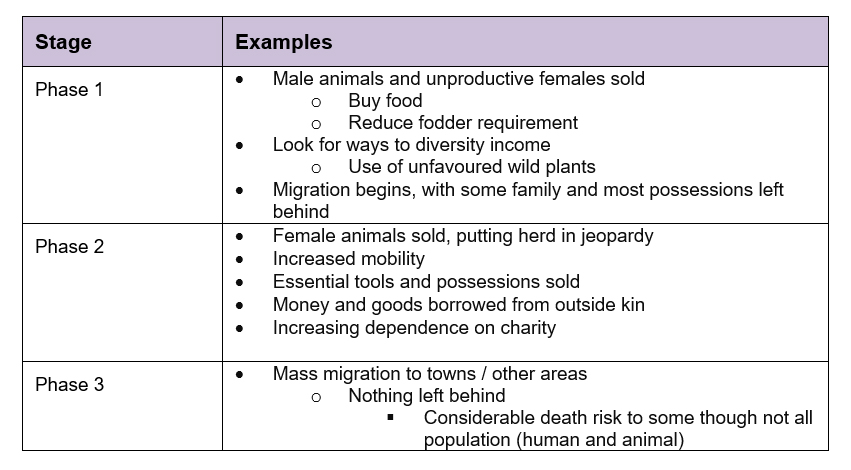 Table 5.1 – Three-phase economic response to drought,
described in Manger et al 1996 p.138-9
Schrimpf and Feil describe the same sort of process in more generalized terms, defining three stages of coping that begin with non-erosive approaches to failed coping strategies (2012, p.10) shown in Table 5.2:
 Table 5.2 – Three stages of coping seen in terms of environmental and
livelihood impact (Source: Schrimpf and Feil 2012, p.10)
These stages are by no means exhaustive and other mechanisms may be employed in different areas to manage uncertainty when the strategies commonly employed under risk management conditions fall apart under uncertainty. Amongst the Tonga of the Gwembe, in good times there was co-operation and sharing was common between towns and rural areas. Repeated and prolonged droughts changed that, and co-operative ventures broke down in the face of household and individual needs (Cliggett 2005). The position of the elderly became very vulnerable. Although disabled, unmarried or widowed elderly offer many benefits to society (with roles in rituals, cultural knowledge transmission and loyalty to the community) they are also costly (unable to produce children, low strength, ill health, no spouses to support them). Community and family interests often dominate over individual ones, and as a result older and infirm individuals are sometimes sacrificed (Bardhan and Ray 2008; Brickinton 2005; Cliggett 2005; Dalal-Clayton et al 2003; Ostrom 2008; Tiffen 1996). Similarly, the adherence to social norms depends mainly on the stability of the socioeconomic situation: “But this is sustainable so long as the background environment remains approximately constant. It will not be sustainable if the social environment changes suddenly and trust is broken” (Dasgupta 1997, p.15).
A common response is to use assets to stave off starvation. Assets can be sold or exchanged for other products, but this can lead to a positive feedback situation in which selling one’s only way of livelihood only results in short term alleviation and pushes the family, group or community further towards disaster. Sen explains:
Sometimes people have to sell expensive foods such as animal products to buy cheaper calories from food grains, as poor pastoral people often do: for example, animal-rearing nomads in the Sahel and in the Horn of Africa . . . . A fall in the price of animal products vis a vis food grains can spell disaster for these pastoral people . . . . This change in relative prices can make it impossible for the pastoralists to buy enough staple food to survive (Sen 1999, p.165) .
Under these extreme conditions people may be forced to migrate, or die of disease and starvation. Following the great Sahel drought of West Africa in 1969-1974 crops failed across the entire region, and livestock holdings were decimated. The natural habitats changed, with annual grasses replacing perennials and sand dunes covering areas which were formerly vegetated. Up to six million people were threatened with starvation. The responses included abandonment of settlements, massive migration and death (Manger and Adams 1999, p.2), but did not stave off the deaths of both livestock and humans
Dalal-Clayton (2003, p.48) provides an example of a system that is apparently unsustainable even in the face of attempts to adapt to changed circumstances. In 1970 a wheat production project was initiated which occupied 100,000 acres of the Bastou Plains in Tanzania. The same land had been used for communal grazing by c. 30,000 Barabaig semi-nomadic pastoralists, who subsist by household-management of herds to maximize production of milk, meat and sometimes blood. Maize supplements the diet and is acquired via exchange or the sale of livestock and shifting cultivation with the help of relations and neighbours. The Bostou Plains are drought-prone, with no permanent water supply, making it unsuitable for grassland and constraining water availability. It is also prone to tsetse fly. However, depressions on the plain provide dry-season fodder and forage resource – called muhajega. The Barabaig had evolved their own natural resource management strategy, which included response to variations in resources, opportunistic land use at certain periods, grazing management, tsetse control measures, and the banning of settlement in areas of risk of degradation. The loss of muhajega for wheat production has forced a new grazing pattern which exploits less attractive foraging areas which are now used heavily in times when they used to be rested. Also other areas with low potential are now being more intensively used – slopes and escarpments with shallow soils and bushland with tsetse infestation. The results are (Dalal-Clayton 2003, p.48):
- Decrease in perennial plant species on plains
- Accelerated soil loss on hills
- Bushland clearance
- Excessive grazing in bottomland areas remaining, leading to puddling and erosion
The future does not look good.
Where droughts, diseases and other disasters impact a large area, the usual patterns of mobility are insufficient to serve the needs of either humans or livestock, which may tip the situation into one of uncertainty. A last resort, before starvation, is often permanent migration (Cliggett 2005; Gould 1992; Raynaut 1997, p.111-2; Silberbauer 1981; Winkels and Adger 2002), what Gould refers to (1992, p.285) as “permanent relocation.” Even when faced with starvation, “What is striking in many drylands is ‘population immobility,’ or the reluctance of people to abandon home irrevocably” (Mortimore 1998, p.120). This is caused by fear of loss of rights to land, water and other resources and loss of community membership. In her research into the Tonga of the Gwembe in Zambia, Cliggett describes some of the stresses involved for those migrating, including the need to cope with different languages or dialects, separation from kinship groups, loss of ancestry specific locations, loss of ritual connections with specific land, different ecological conditions and conflict over access to resources (Cliggett 2005). The inability to practice or abandon traditional practices may also be a major feature of migration (Raynaut 1997, p.111-2). Winkels and Adger (2002) emphasise the importance of social capital in the process of long distance migration.In the Turkana area of Kenya multi-year droughts caused the temporary migration of 20% of the population (Ellis 1995).
Migration today is often into urban areas (Manger 1996; Cliggett 2005) but may also be from one rural area to another. Migrating populations can be difficult for those people in the areas upon which the new populations descend. Where migration shift takes place, groups may stray into lands where they don’t have family or social ties, and this may cause disputes and introduce environmental dangers by new settlement activity. (Silberbauer 1981; Stenning 1957; Winkels and Adger 2002, p.6, 12). Although they bring with them whatever wealth they may have, labour, marriage partners, knowledge, skills, and culture (Stock 2013, p.262; Winkels and Adger 2002, p.6), and may integrate well with the assistance of social networks (Winkels and Adger 2010, p.10) they may also put a variety of pressures on the host territory. In exceptional circumstances, people may migrate away from richer land that can no longer sustain everyone who is making demands on it in favour of more impoverished areas (Cliggett 2005; Raynaut 1997; Toolmin 1992, p.236). Again, this can cause environmental stress in the new dryland areas now being occupied.
5.6 Conclusions
Risk is factored into all dryland livelihoods, and uncertainty is the outcome of situations where tried and tested risk strategies cannot be employed. Sustainability is a crude but useful measure of the success of the combination of strategies and resources, both traditional and new, to ensure survival of both lives and traditional values. It is easy enough to list possible options for people living under conditions of risk, but the important thing is to understand the contexts within which these options are selected. Questions that might be asked of livelihoods in marginal environments include: Is the chosen livelihood an effective way of managing sustainability? How are subsistence strategies managed? How have communities combined different forms of subsistence to minimize risk? What sort of social mechanisms are suggested by the data? Risk management situations are well documented in the literature of ethnographic research and development economics. Identifying them in archaeological contexts is a matter of looking at all the available data with a view to identifying the common themes of risk management in dryland economies: for example, mobility, diversification, inter and intra site social support mechanisms, trade and storage. None of these are impossible tasks, as has been demonstrated by a number of writers (e.g. Barker and Gilbertson 2000; Barnard and Wendrich 2008; Cribb 1991; Kuper and Riemer 2013; Halstead and O’Shea 1989).
Uncertainty is far more difficult to identify archaeologically but may be visible in suggestions of permanent abandonment or signs of immigration. The Eastern Sahara is very much a pattern of settlement under conditions of risk and uncertainty with long periods of abandonment followed by reoccupation by later generations or new groups (Schild and Wendorf 2002).
Page updated 18th August 2019
(See version control page)
 Modelling Early Food Production in the Mid Holocene of the Eastern Sahara