Before reading this case study
Before reading this case study, it is strongly recommended that you read Chapters 1 (introduction, which introduces the SRL approach and discusses how the ethnographic data is used in the case studies), 2 (detailed explanation of the modelling approach), 5 (ethnographic research that informed the case studies), the relevant bits of 6 (background information to the case studies, including excavation history and notes about chronology), and 7 (the SRL template) all of which are essential to an understanding of how the case studies were compiled and what they are designed to achieve. The case studies were never designed to be read as stand-alone pieces. Chapter 9 compares the case studies, and may be of interest to those who are interested in different approaches to livelihood management in dryland areas.
As explained within the thesis, my priority was to test the Sustainable Rural Livelihood model, which was derived from development economics. This means that the emphasis was on pushing the data to the absolute limit. This has resulted in speculative scenarios that match the data, many of which are by no means the only possible explanations and are open to challenge. I believe, however, that some speculation is a healthy move towards the creation of hypotheses that can be tested rather more empirically, and hope that the speculative relationship between the published data and my speculative extrapolations is made explicit.
You can read and print the case study from this page, but you can also download it as a PDF here.
1.0 Introduction
This case study assesses the Badarian period of Middle Egypt within the framework of the Sustainable Rural Livelihood approach and is divided into the sections described in Chapter 7. An introduction to the case study is provided in Chapter 6. The Badarian is located along a 35km stretch of the Nile in Middle Egypt, between Asyut in the north and Sohag in the south, with concentrations around El Badari, Deir el Tasa, Mostagedda and Matmar (figure 1). Details of cemeteries and settlement areas along the Nile in the Badarian period are showin in figure 2. The Badarian spans the period c.4400-4800 cal. BC, based on twelve original dates and another eight obtained for the purposes of developing a radiocarbon chronology of the Egyptian Preydnastic and Early Dynastic (Dee 3013 et al p.4-5). The broad range of of datasets available for the Badarian is shown in table 1.
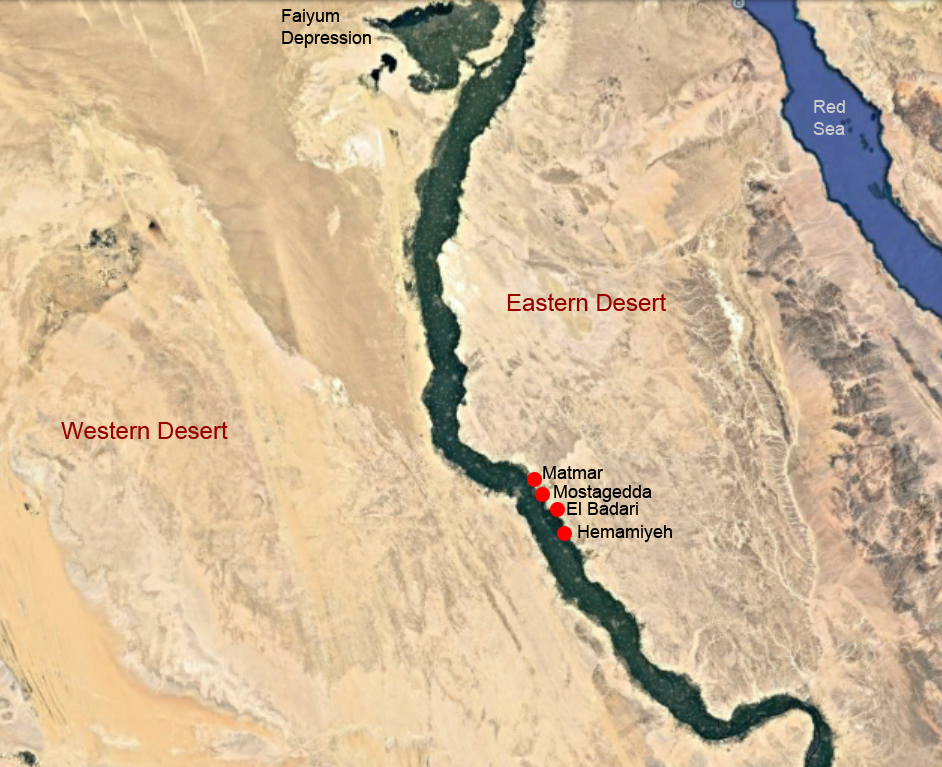 Figure 1 – Core areas of the Badarian on the Nile (Source: Google Earth)
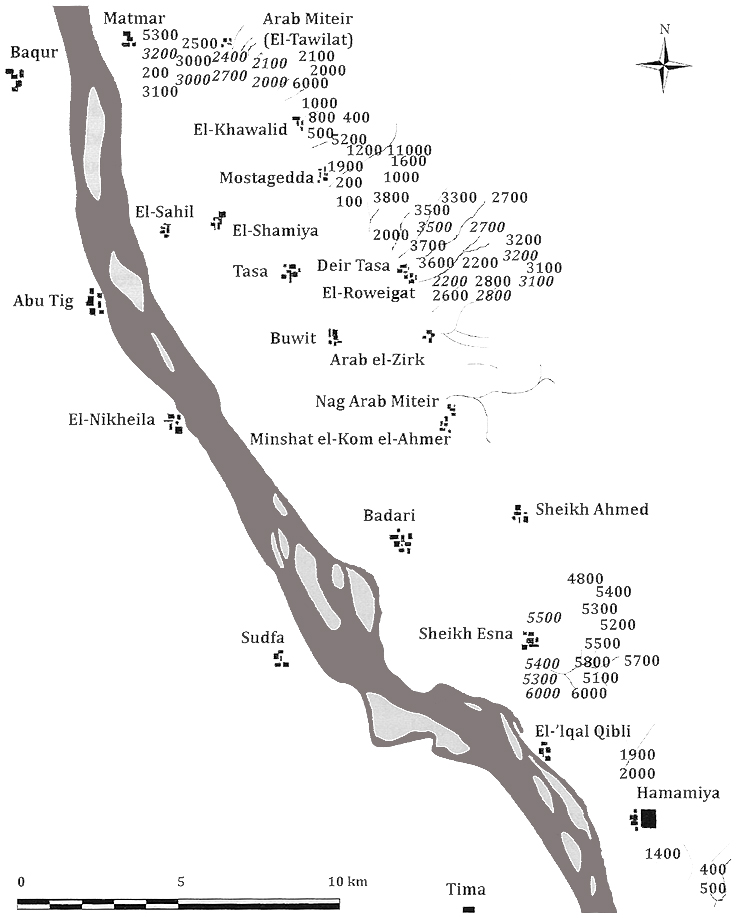 Figure 2 – The main Badarian sites (Source: Tassie 2014, p.249)
2.0 The data available for each phase
Yes = Present / No = Not present
| Category | Data | Yes/No |
| Site type | Settlement | Yes |
| Cemetery (concentration of multiple burials) | Yes | |
| Ceremonial (monuments and ritual structures) | No | |
| Unknown | – | |
| Architecture | Domestic shelters / foundations | No |
| Hearths / Steinplätze | Yes | |
| Storage | Yes | |
| Ceremonial structures | No | |
| Type | Stratified | Partial |
| Palimpsest / Chronologically undetermined | Partial | |
| Cave / rock shelter | No | |
| Funerary | Burial structures | Yes |
| Human physical remains | Yes | |
| Grave goods | Yes | |
| Diet | Faunal remains | Few |
| Botanical remains | Few | |
| Environment | Faunal remains | Few |
| Botanical remains | Few | |
| Sedimentary and geomorphological data | Yes | |
| Other environmental / climatic indicators | No | |
| Tools/ Craft items | Stone tools | Yes |
| Grinding stones | Yes | |
| Pottery | Yes | |
| Ostrich eggshell | Yes | |
| Basketry, cordage etc. | Yes | |
| Animal products | Yes | |
| Other artefact types | Yes | |
| Personal or symbolic material | Beads / other jewellery | Yes |
| Portable art | Yes | |
| Palettes | Yes | |
| Cultural components on everyday tools / pottery | Yes | |
| Rock art | No | |
| Prestige objects (potentially) | Yes | |
| Dating | Radiocarbon dates | Yes |
| Relative / stylistic | Partial |
Table 1 – Datasets available in the Badarian
3.0 The Livelihood Status
3.1 Asset Matrix
3.1.1 Natural Assets
Table 2 summarizes the main types of zone available for exploitation during the Badarian:
| Zone 1 | Sahel type / savannah conditions | Light seasonal rains produce a savannah and scrub type ecology similar to the modern day Sahel, with grassland and shrubs suitable for seasonal but not necessarily year-round herding |
| Zone 2 | Highlands, low hills, escarpments, Plateaus | Seasonal vegetation, attracting certain vegetation and game, sometimes offering different topologies and ecological niches |
| Zone 3 | Riverine | Permanent water source with floodplains, attracting vegetation, game and containing aquatic resources |
| Zone 4 | Lake / Playa / spring | With the potential for aquatic plants but not fish or other zoological species |
| Zone 5 | Groundwater zone
|
Runs along the edge of water-filled basins and supports seasonal vegetation, attracting game on a temporary or permanent basis |
Table 2 – Environmental zones available in the Badarian
Topography
Geologically, the Badarian lies between two areas of Pliocene, Pleistocene and recent wadi sediments backed by the Drunka formation of Eocene limestone on the east bank of the Nile (Sampsell 2003, p.85) (figure 3). There is a small section of Serai limestone formation towards Asyut in the north, but it integrates almost seamlessly with the Drunka formation. The escarpment has been dissected by dozens of small wadis that create spurs along the escarpment. Sediments have gathered where the limestone escarpment veers inland, and the Badarian occupation lies between two points at which this happens. The Nile is accompanied by a wide floodplain on the west and a narrow one on the east. The floodplain occupied by the Badarian on the east bank runs for c.35km between the Wadi Asyut in the north and another wadi named Qau Bay at El Elmanieh near Sohag in the south (figure 4), and is between 15 to 20km wide (Ibrahim and Ibrahim 2003, p.65). Behind the limestone plateaus and the wadi deltas are the high desert and Red Sea Hills to the east.
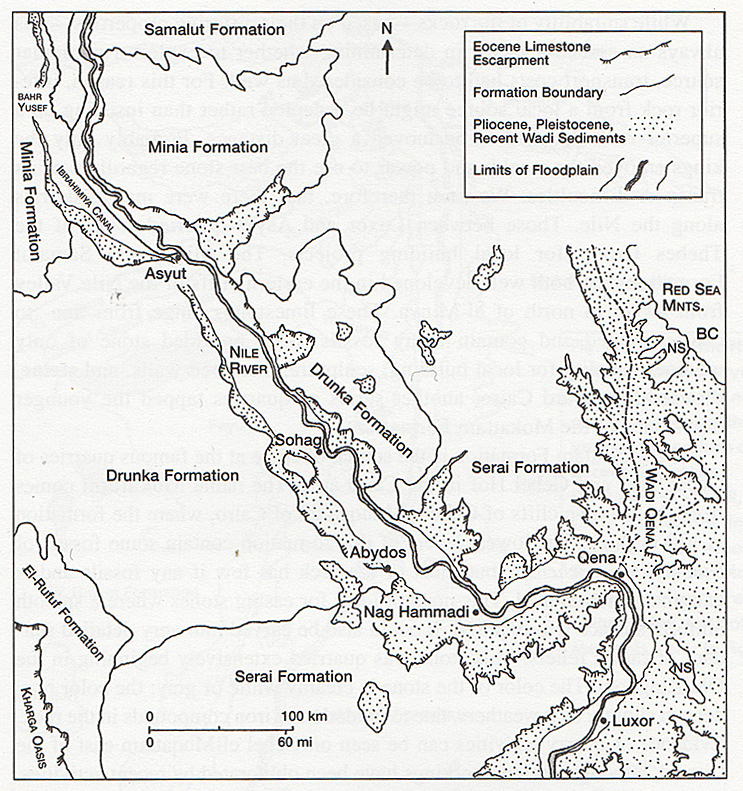 Figure 3 – Map of the Nile Valley from Luxor to Asyut showing the
formations of Eocene limestone. NS = Nubian sandstone,
BC = Basement Complex (Source: Sampsell 2003, p.85, figure 5.1)
At Mostagedda the high eastern cliffs contain good quality limestone, and wadis break through the cliff faces all along this stretch of the floodplain, forming “fine gorges with perpendicular sides wandering and branching far back in to the high desert” (Brunton 1937, p.3). The low desert at the foot of the limestone cliffs is also “seamed by wadis,” cutting it into spurs (Brunton 1937, p.3).
At Matmar the desert edge curves for a few miles to the west before resuming its northerly trend, a stretch marked by cliffs receding from the cultivated plain and widening section of low desert not broken up by wadis. From Matmar itself and beyond, where the desert edge continues on a northerly course, cliffs are broken up and form much less of a rampart, with the low desert unmarked by wadi incision (Brunton 1948, p.2).
Hydrology
Rainfall along the Nile today is minimal, and falls in the winter between October and April, with December the wettest month (Ibrahim and Ibrahim 2003, p.52). An average of 24mm per annum falls at Cairo in the north, decreasing from north to south, reduced to 3mm per annum at Aswan (Ibrahim and Ibrahim 2003, p.52). The main source of water is the Nile, a permanent and substantial water course and drainage basin fed from Ethiopia and East Africa via the Blue Nile, the White Nile and the Atbara rivers. When the Nile floods in the Egyptian stretch of the river from mid-August, falling in late October and fully drained by late November, it deposits silts carried from areas along the Nile during its journey (Butzer 1976). The silt contains a variety of trace elements including iron, manganese, zinc (Ibrahim and Ibrahim 2003, p.82) mainly from eroded volcanic rocks from Ethiopia (Sampsell 2003, p.37). The narrowness of the floodplain on the east, as opposed to the wide low-gradient floodplain on the west, was far more favourable for retaining water on the floodplain and for capturing fish in the shallow ponds as the water arrived and then receded, particularly as the natural levées formed useful basins behind which water was temporarily retained and easily managed under natural conditions (Butzer 1976, p.103-104). The river could be exploited under conditions of non-intensive usage, for either pasture or cultivation, without the need for technological innovation (Said 1993, p.285). It should be noted that floods may fluctuate annually, with either high or low floods both being recorded in historic times. It should be recalled that the Nile may have shifted to the east (Dufton and Branton 2010; Jeffreys 2012). As Jeffreys puts it (2012, p.8-9) “The Nile is a dynamic riverine system involving constant change and (to a fairly limited extent) sporadic management by the inhabitants.”
The Nile was not the only water resource in the area. In the Eastern Desert there may have been sufficient rainfall to support winter pasture. Today, the Ma’aza Bedouin clans that occupy part of the Egyptian Eastern Desert have a large vocabulary that describes different types and degree of water source, including “dripping places” where water drips permanently to feed a permanent colony of ferns, reeds and mosses and permanent pools of water; wells that are dug by hand; gravel seeps; springs; rain-fed rock basins (which may last only a few days or up to several years); rainfall run-off pools and a permanent pool, the origins of which are unknown (Hobbs 1989, p.46-8). Water sometimes has to be carried to herds. Today the average rainfall is between 2.75-50mm per annum (Monein 2005, p.417), due to the Red Sea Hills and their ability to attract rainfall. Most of the water drains east, but the Eastern Desert still benefits from short and violent storms. Goodman and Hobbs describe how although the northern part of the region is largely devoid of plant cover, towards the south “higher plant concentrations tend to be in wadi bottoms, on shaded mountain slopes, or in deep canyons” with an increase in the spatial distribution of rainfall and better reliability (Goodman and Hobbs 1988, p.76). Rain-fed rock basins are important for collecting water (Hobbs 1989, p.47-8). Plant species that can survive today, in probably drier conditions than during the Badarian, are Acacia, Ziziphus spina cristi, Moringa peregrina and Salvadora persica (Hobbs 1989, p.40, 97). Goodman and Hobbs (1988, p.86) found 21 species used for food, medicines and utilitarian purposes amongst the Ma’aza Bedouin.
At the time of the Badarian, the ITCZ had shifted to the south, and it is probable that rainfall in Middle Egypt was largely confined to the winter months but was in excess of what it was today, suggesting that there was greater potential for use as a subsistence resource in the Badarian. At Badari the desert spurs produced large tree roots in many places, sometimes level with the old village sites, which suggested to Brunton that conditions were wetter than those of today (Brunton 1929, p.461). He also found tree roots at Mostagedda, sometimes a considerable distance into the desert from the floodplain, again suggesting that there may have been “a better water supply” in the past, and at the edge of a desert spur on which the excavation team camp was located rarer occasions of rainfall filled the wadis to the extent that flash floods and waterfalls were created, indicating that even today rainfall is occasionally present (Brunton 1937, p.2, p.67). At Matmar, a well for the dig-house was dug into the ground close below the house into groundwater, again indicating that water could have been available throughout the year in some places (Brunton 1948, p.2). Similarly Vermeersch et al (1992) found both wadi activity and root systems around the Qena bend just to the south of the Badarian area that suggest that the region “still received precipitation up until 4000BC.” Brunton noted that early graves at Cemetery 2500 at Matmar were very fragmented and decayed compared to Amratian (Naqada I) remains on an adjoining spur in spite of identical topography, soil and other comparable conditions, and suggests that this may have been due to a change from “a damp to a rather drier climate” (1948, p.11).
Wadi systems also provided opportunities for herders and small-scale farmers (figure 4). There are two main wadi systems, the Asyut wadi to the north and the Qau Bay wadi to the south, with a smaller one in between (figure 4). At the northern boundary of the Badarian area is the massive Wadi Asyut, which is fed by a number of tributaries stretching out into the low desert and beyond. During occasional bouts of rainfall in the Red Sea Hills, these channelled water towards the Nile. At the entrances to the wadis, where sediments accumulate, Pleistocene sands and gravels have built up. Similarly, another large wadi system is found to the south of Badari near Mishta, and another to the east of Sohag. There are also many minor wadi systems that were formed in wetter times but still experience occasional activity. As Doolittle (2001) has pointed out, with numerous examples, sand may have excellent water retention properties. Wadis may have supported both permanent perennial vegetation, shrubs and small tress as well as annual species that sprang into life as soon as water reached them. As sand inhibits evaporation, water may have been retained for long enough to provide useful grazing for wild animals and domesticated herds. Today they have sufficient potential to be developed for agricultural use.
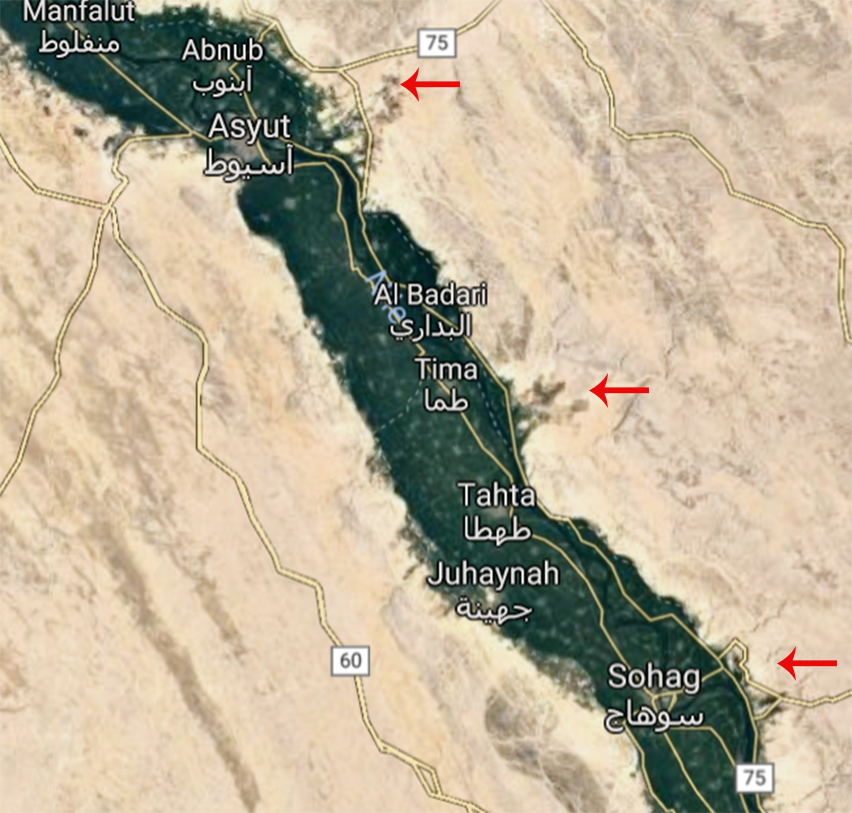 Figure 4 – Three of the major wadi systems, marked by red arrows,
along the Nile in the area of the Badarian (Source: Google Maps)
The desert areas were never wetter than semi-arid, but may have been more humid than today. The Red Sea Hills drain mainly to the west, but drainage also occasionally occurs to the east and it is clear from the amount of early Predynastic rock art in the western wadis (Ibrahim and Ibrahim 2003, p.54; Lankester 2013; Morrow and Morrow 2010; Rohl 2000; Wilkinson 2003) that at least during Naqada I and II there was sufficient water to attract wild herds and hunters, as well as herders of domesticated stick, into the desert areas when conditions were probably drier than the Badarian. Some of the water will have been pooled in wadi bottoms or in natural rock depressions (Wilkinson 2003), and other water will have been retained in sandy wadi sediments providing vegetation potentially attractive to herbivores. Although evaporation rates were probably high, they were probably not as extreme in the plains of the Western Desert where there was little topographical variation to shelter open areas of water (Haynes 2001). However, I have not seen any estimates of evaporation in the wadis of the Eastern Desert, and my assumption derives from the presence of shading by valley walls and the water retentive properties of the deep silts that they contain.
Finally, the Nubian aquifer, lying over the Basement Complex extends beneath the Eastern Desert. Unlike the Western Desert, there are no depressions that bring the water closer to the working surface, and the sandstone layers are thin, whilst the underlying Basement Complex “is not favourably shaped” for accessing water (Ibrahim and Ibrahim 2003, p.69), so access to the fossil waters are sporadic and today sometimes need depend on modern technology for the construction of wells. However, there are ground waters accessible via fissure limestone aquifers that provide springs (Ibrahim and Ibrahim 2003, p.70) such as those that supply the desert monasteries of St Antony and St Paul’s that lie in the eastern foothills of the Red Sea mountains. Wilkinson (2003, p.44) reports that vegetation is often abundant where the aquifer supports it.
The hydrology of the Badarian can therefore be characterized as follows: 1) year-round supply of water and associated resources from the Nile; 2) seasonal rainfall in the Red Sea hills to the east, with some orographic rainfall draining into high and then low desert, providing highly seasonal and ephemeral resources; 3) Wadi systems terminating in or near the Nile floodplain with Pleistocene sands and gravels with water retaining properties that probably supported considerable vegetation following rainfall and small stands of small trees and shrubs on a year round basis; 4) occasional natural springs.
Ibrahim and Ibrahim (2003, p.50) describe how today’s fellaheen (farmers) “have a much more sharply differentiated perception of climatic conditions during the course of the year” using the old Coptic calenderer to evaluate the year on a month by month basis in terms of characteristics of “Nile water, cooler or hotter phases, rainfall probability, fog and air humidity” and it has already been seen how modern pastoralists are highly sensitive to localized conditions (chapter 5) so it is probable that the sensitivity towards the availability of water and humidity was just as finely tuned in the Badarian.
Light and temperature
Egypt has high light and temperature quotient throughout the year. The lowest mean annual temperature at Luxor is 13°C in January, the highest 32°C in July and August (Ibrahim and Ibrahim 2003). Night time temperatures are lower, particularly in the deserts flanking the valley, but not to the point of being detrimental to livelihood options. The conditions of high heat and little shade will, however, have constrained forms of vegetation and fauna that can survive in the floodplain and desert margins.
Edaphic Conditions
Nile silts provides the Nile flood plain with nutrients required for plant growth, originating in the volcanic areas to the south. The silt contains nitrogen (vital for replenishing land), iron, manganese, zinc and copper (Ibrahim and Ibrahim 2003; Kishk 1993). Kishk (1993) suggests that it is not the nitrogen alone that makes the silt fertile but the variety and the combination of trace elements that is important. Accumulation of silt is not uniform and varies through time (Hassan 1997e, p.59-60). The gradient of the Nile’s river bed is c. 1:10,000 to 1:15,000 and this delivers the flow of floodwater over levées into the floodplain (Hassan 1997e p.61).
Additional nutrients are carried from the Red Sea Hills into wadi bottoms by occasional rainfall, and these too provide additional minerals provided by eroding rocks from the exposed geological layers and influenced by the underlying geology upon which the gathered sands and gravels are located. Brunton notes that at Mostagedda there are marl outcrops but main areas of occupation are gravel and compact sand (Brunton 1937, p.3) and at Matmar all soil is compact sandy gravel or consolidated sand (1948, p.2). The soils available in the area include Nile silts, those forming in wadi deltas, the wadis themselves, and the zones immediately around points where the desert aquifer reaches the surface.
Salinity can be a problem for soils in arid climates, but saline areas can generally be indicated by the appearance of the land and the species growing, and some plants and crops are saline tolerant.
Vegetation
As discussed above, there are indications from Brunton’s excavations that there was either more rainfall or the water table was higher during the Badarian and there are water sources even today. Even during the early 1900s, when Brunton was excavating, there was better water retention on the edges of the floodplain than there is today. The wadis of the Eastern Desert are still used for grazing small herds of camel, sheep and goat today (Hobbs 1989). The data demonstrates that sufficient vegetation is provided for use by nomadic pastoralists today, and suggesting that conditions were comparable or better in the past (Goodman and Hobbs 1988; Hobbs 1989; Ibrahim and Ibrahim 2003, p.60; Wilkinson 2003). An exact profile of the vegetation present is not possible due to lack of data from the Badarian, and the lack of analysis of what data was collected. It is probable that the vegetation was very varied thanks to the different types of soil and hydrology throughout the area, and that it included a mix of perennial and annual trees, shrubs and grasses. The following species are a small sample of those still present today and provide the Ma’aza Bedouin, their herds and their prey with core resources: Salvadora persica, Ziziphus spina-Christi, Maerua crassifolia, Lotus deserti (or Lotus hebranicus Brand), Acacia raddiana, Tamarix aphylla, Capparis cartilaginea, Zilla spinose, Lotomonis platycopa, Artemesia Judaica, Solenostenna argel, Leptodenia pyrotechnica, ben-tree, wild fig and various grasses (Hobbs 1989, p.38-9). A much more comprehensive list of all the plant resources used is provided by Hobbs 1989 (p.89-92).
| Plant Species
|
||
| Species
|
Sites | Reference |
| Acacia sp. (all identified with some caution) | Mostagedda Area 2600, Area 2200, Grave 200
Hemamiyeh TP2 |
Brunton 1937, p.58, 67 Holmes and Friedman 1994, p.134 |
| Barley (Hordeum vulgare) | Mostagedda graves 200, 467, 2000
Mostagedda Area 2800, Group 2850 (i) Hemamiyeh |
Brunton 1937, p.58;
Brunton 1937, p.10, p.33 Holmes and Friedman 1994, p.134 |
| Bulrush (Typha sp.) | Mostagedda | Brunton 1937, p.59 |
| Castor (Caster Ricinus communis L.) | Badari grave 5112 | Brunton 1928, p.38 |
| Cyperus alepecuroides | Mostagedda | Brunton 1937, p.59 |
| Fig (ficus sp.) | Hemamiyeh TP2 | Holmes and Friedman 1994, p.134 |
| Flax fruit (Linum usitatissimum) | Mostagedda 800 | Brunton 1937, p.59 |
| Halfa grass (Desmostachya bipinnata) leaves | Hemamiyeh TP2 | Holmes and Friedman 1994, p.134 |
| Melon (Cucumis sp) seeds | Hemamiyeh TP2 | Holmes and Friedman 1994, p.134 |
| Oat (arvena sp) | Hemamiyeh | Holmes and Friedman 1994, p.134 |
| Tamarix (Tamarix aphylla) and Tamarix sp. | Mostagedda Graves 500, 575, 581, 1005, 2000, 2223, 2700
Mostagedda Grave 426 |
Brunton 1937, p.58-59
Brunton 1937, p.33 |
| Vetch (vicia sp) | Hemamiyeh TP2
Mostagedda (uncertain identification) |
Holmes and Friedman 1994, p.134
Brunton 1937, p.59 |
| Wheat (probably Triticum dicoccum) | Mostagedda graves 456, 1247, 2000, 2200, 2218, 2224
Mostagedda pot in hole 2900, group 2911 |
Brunton 1937, p.58-59
Brunton 1937, p.8, p.33 |
| Unidentified cereals | Mostagedda graves 1247, 2224, 3506 and Areas 2000, 2234, 3200, and 3500 | Brunton 1937 p.33 |
Table 3 – Plant species found in the Badarian
The above table (table 3) shows which species were present during the Badarian demonstrating different ecological niches, including marsh, semi-arid and arid adapted species. Brunton found tamarix in graves in various Badarian cemeteries, including Mostagedda 500, 575, 581, 1005, 2000, 2223 and 2700 (1937, p.58-59). He found what experts at Kew Gardens thought was probably acacia at Mostagedda 200 (Brunton 1937, p. 58). Holmes and Friedman also found acacia during their excavations in (Holmes and Friedman 1994, p.134). Acacia is particularly versatile for both animals and human use, supplying shelter, food, animal fodder and tannins for tanning, and is identified in a number of Badarian contexts (Brunton 1937, p.58, p.67; Holmes and Friedman 1994, p.134). Tamarix aphylla is found in watercourses and is tolerant of saline conditions, and has been identified throughout Egypt and appears at Badarian sites (Brunton and Caton-Thompson 1928, p. 38, 63, 67; Brunton 1937, p.33, 59; Holmes and Friedman 1994) and produces small-sized timbers (Gale et al 2000). Holmes and Friedman found Ficus sp remains (Holmes and Friedman 1994, p.134). Other botanical remains of wild species found by Holmes and Friedman were Cucumis sp (melon), halfa grass leaves and seeds of vicia sp (vetch), Desmostachya bipinnata (Halfa grass) and arvena sp (oat), the latter two being interpreted as weeds in crop fields (Holmes and Friedman 1994, p.134). Wetterstrom (1993, p.183) points to the presence of papyrus, which Yokell (2004, p.18) says would have the potential of being attractive to animals due to a higher protein value than other digestible grasses.
River margins would have provided a rich riverine environment, with assorted trees and shrubs, particularly palms, tamarix and acacias all potentially present, with bulrushes and other stands of aquatic plants at the edges of the Nile (Hassan 1980; Ibrahim and Ibrahim 2003; Wetterstrom 1993). Flax (Linum usitatissimum), which likes temperate conditions and damp soils is well attested in graves. Flax fruits were found in Mostagedda 800 (Brunton 1937, p.59) and flax fibres were was used to make linen that was found in several graves (Brunton and Caton-Thompson 1928, p.65-66; Brunton 1937, p.61-63). Wild grasses such as Panicum and Pennisetum are associated with both wadi and Nile silts today and could have been present during the Badarian (Wetterstrom 1993, p.183) and Brunton’s excavations at Badari, Matmar and Mostagedda identified that the matting present in nearly all of the graves in the area had been made of a different varieties of plant materials including “reeds, rushes or grasses” (Brunton 1937, p.46-7). Along the Nile floodplain, Butzer envisaged “degraded riverine woodland vying with the expanding date palm groves along the levées of the Nile and its seasonal branches” (Butzer 1976, p.85).
A number of bones identified as sheep, goat and cattle were found. Although the evidence for herds is admittedly meagre at most Badarian sites excavated by Brunton and Caton-Thompson (Flores 1999, p.24) that from Mahgar Dendera 2 is very rich, with domesticates making up 90% of the animal remains (Hendrickx et al 2001), and the presence of these species is suggestive of a need for pasture, suggesting that the local environment and more distant environment could be used together to support herds Wilkinson described the Wadi Abu Wasil, for example, as “a dense mat of thorny scrub” with gourds growing abundantly at its mouth, and the Wadi Zeidun as “even greener with a large number of trees and bushes” (2003, p.44, 60). There are certainly sufficient resources to support some 20,000 Bedouin in the Eastern Desert today (Wilkinson 2003, p.44).
Apart from the discovery of vetch (Vicia) by Holmes and Friedman (1994, p.134) they interpreted as a weed that would grow with wheat and barley, there is no evidence for nitrogen-fixing vegetation.
Fauna
Wild animal species, bird species and aquatic species are shown in tables 4, 5 and 6. Animal species are elusive in the available data from the Badarian, but some data has been retrieved. The Nile was home to turtle, hippos and crocodile, examples of which have been found in Badarian graves (Brunton and Caton-Thompson 1928). It contained freshwater fish, including deep-water Lates and which are represented in Badarian sites together with shell hooks (Brunton 1928, p.5; 1937, p.69; 1948, p.7). Today the Eastern Desert supports ibex, gazelle, rock hyrax, dabb-lizard, sandgrouse, partridge, caracal, quail, migrating birds, fox and up until around 1955, when it was hunted to extinction locally, Barbary sheep (Hobbs 1989, p.100; Wilkinson 2003). The presence of gazelle and types of antelope in Badarian graves are unconfirmed by modern analysis, although Brunton mentions both. Brunton identified gazelle tentatively in a number of graves (Brunton 1937, p.6, 11, 36), but it is possible that it was goat as the two are easy to confuse and identifications that have not been reassessed are in question due to the need to reassign species from earlier excavations after modern examination (Flores 2003, p.23). At Mahgar Dendera 2 the Badarian contexts were accompanied by 90.9% domesticated species and 9.1% game, of which gazelle dominated (13 samples) and hare and small foxes were also present (4 samples of each) (Hendrickx et al 2001; Linseele et al 2009; Linseele and Van Neer 2009). Judging by the species available in later Predynastic and even Pharaonic Egypt (Linseele et al 2009), there were many more options for game hunting than is represented by the bones surviving in Badarian sites, although gazelle always seems to be dominant during the Predynastic (Linseele et al 2009, p.59). In the wadis and in the Eastern Desert, gazelle is also very likely to have been present, based on its presence both in the past in Mahgar Dendera 2 (Hendrickx et al 2001; Hendrickx and Midant-Reynes 1988; Van Neer 2001) and up until recently, when local Ma’aza herders trapped gazelles up until at least the late 1980s (Hobbs 1989). Linseele (2013, p.103) says that during the mid-Holocene populations of wild grazing animals, especially in the Nile valley, were reduced due to competition with humans and their livestock. Brunton identifies antelope from animal skin in one grave (1928, p,40), which is a savannah specie that may have occupied the wadis and may also have come to the Nile to find water, but the identification remains unconfirmed by modern analysis.
Bird bones in graves and ostrich eggshell vessels and an object made of ostrich feathers in one grave (Manchester Museum Acc.7519, Brunton and Caton-Thompson 1928, p.28) indicated that both floodplain and desert avian species were exploited. Bird species are listed in table 5. Judging by the species available in later Predynastic and even Pharaonic Egypt (Linseele et al 2009), there were many more options for game hunting than is represented by the bones surviving in Badarian sites. It is likely that the Nile valley was fairly resource rich at this time.
All animal remains were of potential use for food as well as the fabrication of tools, leather, textiles, ropes, glue and ornamental items. An important by-product of animals is dung, which may be used as fuel (Hassan 1988; Hobbs 1989, p.53; Linseele et al 2010).
Aquatic species are also present, listed in table 6. Hippopotamus ivory was found in a number of contexts. Hippo tusks were found in graves 5740, 5437, and 5719, a cache of hippo tusks was found at Matmar Area 2000, hippo ivory was used to manufacture tiny cylindrical vessels and likenesses were captured in the form of an amulet and a vessel (Brunton 1957, p.51, British Museum EA62167 and Brunton 1937, p52, British Museum EA63057). Fish bones (see Table 6) and hooks for fishing made from shell and ivory were found in Badari graves 5164, 5213 and 5738 (Brunton and Caton-Thompson 1928), Mostagedda graves 474A (x4) (Brunton 1937), Villages 400B and 500C (x2) and Matmar graves 2516 (x2) and 2508 (x2) (Brunton 1948). The fish remains are dominated by Lates, which is a deep water fish. Holmes and Friedman also found Synodontis remains (Holmes and Friedman 1994, p.133).
| Wild terrestrial animal remains (unidentified bones are not listed) | ||
| Data | Context ID | Reference |
| ?Gazelle skin | Mostagedda Grave 207 | Brunton 1937, p.34 |
| Mostagedda Grave 2208 | Brunton 1937, p.44 | |
| Gazelle bones | Mostagedda Grave 330 | Brunton 1937, p.34 |
| “Perhaps a cat” | Mostagedda Grave 330 | Brunton 1937, p.34 |
| ?Gazelle | Mostagedda Grave 494 | Brunton 1937, p.36 |
| Badari Area 5500, Group 5556 | Brunton 1928, p.6 | |
| Matmar Grave 3100 | Brunton 1948, p.11 | |
| Leg bones of small ruminant (according to Brunton, possibly gazelle) | Matmar Grave 2007 | Brunton 1948, p.11 |
| Bones of a small ruminant (according to Brunton, possibly gazelle) | Matmar Cemetery 3100 | Brunton 1948, p.11 |
| “Skin . . . probably gazelle” | Badari Grave 5758 | Brunton 1928, p.16 |
| “Probably a sheep” | Badari | Brunton 1928, p.38 |
| Skull of an ox | Badari Grave 5434 | Brunton 1928, p.38 |
Table 4 – Wild animal species found in the Badarian
| Evidence for bird species in the Badarian | ||
| Data | Context ID | Reference |
| Feathers, possibly of Night Heron (Nycticorax) | Mostagedda Grave 1218 | Brunton 1937, p.57 |
| Ostrich feather | Badari Grave 5754 | Brunton 1928, p.38 |
| Mostagedda Grave 448A | Brunton 1937, p.29 | |
| Mostagedda Grave 2913 | Brunton 1937, p.29 | |
| Ostrich shell | Mostagedda Area 1600 | Brunton 1937, p.57 |
| Mostagedda Grave 470 | Brunton 1937, p.57 | |
| Mostagedda Grave 2853 | Brunton 1937, p.30 | |
| Badari (Qau) Grave 1414 | Brunton 1928, p.28 | |
| Spoonbill | Mostagedda Grave 496B | Brunton 1937, p.30 |
| Undetermined feathers | Mostagedda Grave 2211 | |
| Mostagedda Grave 443 | ||
| Mostagedda Grave 444 | ||
| Mostagedda Grave 1005 | ||
| Mostagedda Grave 3555 | ||
| Tools described as made of bird bones | Various at Mostagedda, Matmar and Badari | |
Table 5 – Evidence for bird species found in the Badarian
| Evidence for aquatic resources in the Badarian | ||
| Data | Context ID | Reference |
| Nile perch (Lates) | Matmar Area 3200
Badari Graves 5104, 5105, 5112 Badari Areas 5100, 5200, 5400 |
Brunton 1948, p.7 Brunton 1928, p.33Brunton 1928, p.33 |
| Catfish (Synodontis) | Hemamiyeh TP1 | Holmes and Friedman 1994, p.133 |
| Turtle plates | Mostagedda Area 500B | Brunton 1937, p.57 |
| Mostagedda Grave 2211 | Brunton 1937, p.57 | |
| Mostagedda Grave 487 | ||
| Crocodile plate | Badari Grave 5115, | Brunton 1928, p.34 |
| Hippopotamus ivory objects and tusks | Mostagedda Grave 408 | Brunton 1937, p.5 |
| Mostagedda Grave 2829 | Brunton 1937, p.6 | |
| Mostagedda Grave 2840 | Brunton 1937, p.6 | |
| Mostagedda Grave 2913 | Brunton 1937, p.7 | |
| Mostagedda Area 500, 600, 700, 1500 | Brunton 1937, p.24 | |
| Mostagedda Grave 438 | Brunton 1937, p.34 | |
| Mostagedda Grave 595 | Brunton 1937, p.37 | |
| Mostagedda Grave 1226 | Brunton 1937, p.38 | |
| Mostagedda Grave 1254 | Brunton 1937, p.39 | |
| Mostagedda Grave 2211 | Brunton 1937, p.40 | |
| Mostagedda Grave 2253 | Brunton 1937, p.40 | |
| Mostagedda Grave 3501 | Brunton 1937, p.42 | |
| Mostagedda Grave 3522 | Brunton 1937, p.42 | |
| Mostagedda Grave 3537 | Brunton 1937, p.42 | |
| Badari Grave 5390 | Brunton 1928, p.34 | |
| Badari Grave 5437 | Brunton 1928, p.42 | |
| Badari Grave 5114 | Brunton 1928, p.42 | |
| Matmar Area 2100 (x6) | Brunton 1948, p.6 | |
| Undefined fish bones | Mostagedda settlements with a concentration in Group 2664 | Brunton 1937, p.31 |
Table 6 – Evidence for aquatic resources in the Badarian
Red Sea shells identified by Brunton include Ancillaria, Clanculus, Columbella, Conus, Cypraea, Natica, Nerita, Oliva, ?Polinices, Purpura, Spatha, Strombus, ?Terebra, Triton, and Trochus. Freshwater species are oyster and Mutela. (Brunton and Caton-Thompson 1928; Brunton 1937, 1948).
Stone, minerals and ores
The Eastern Desert is a geologically rich area, thanks to the uplift of the Red Sea Hills, which forced basement complex layers upwards and brought various igneous and metamorphic rocks to the surface, together with various colourful minerals (Ibrahim and Ibrahim 2003; Sampsell 2003).
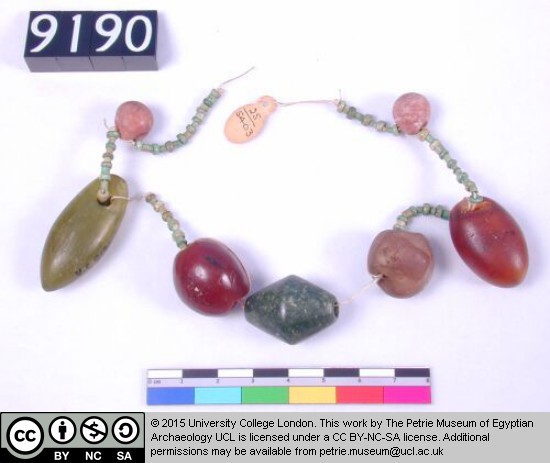 Figure 5 – Beads from Badari grave 5403 made from carnelian, green jasper,
pink limestone, serpentine (Source: Petrie Museum of Egyptian Archaeology, UCL)
Figure 5 shows beads found in Badari grave 5403, which were made from pink limestone, carnelian, jasper and serpentine, the latter three stone types unavailable from anywhere nearer than the uplifted hills of the Eastern Desert to the east of the Badarian sites. The materials listed in table 7 are all represented in Badarian graves (Brunton and Caton-Thompson 1928; Brunton 1937, 1948).
Material |
Source |
| Alabaster (travertine) | Resembling alabaster, and frequently named alabaster in older texts, travertine is found in Eocene limestones of the Nile Valley and Eastern Desert plateaux from Esna to Cairo (Aston et al 2000, p.59). |
| Agate | Found in the Eastern Desert at Wadi Abu Gerida; haematite is found everywhere in Egypt but is easiest to extract in the Eastern Desert at Wadi Abu Gerida and elsewhere (Aston et al 2000, p.26-27; Harrell 2002). |
| Basalt | Although basalt is found in the areas of Gilf Kebir, Gebel Uweinat and Bahariya oasis, the most likely source is the north of Egypt, where thin belts are found from the north of the Faiyum to the northeast of Cairo (Sampsell 2003, p.24, 89).
|
| Carnelian | Found in the form of numerous water-worn pebbles on the desert between the Nile and the Red Sea, with larger sources in the Eastern Desert in the Quseir region at Wadi Abu Gerida, and a source 68km northwest of Abu Simbel |
| Copper and copper alloys | Occurs most often as copper-containing ores from which copper can be extracted by smelting, mainly in the Eastern Desert and Sinai, but it is likely that the flimsy items found in the Badarian are made from native copper and have no need of smelting (Ogden 2000, p.151). |
| Flint / chert | Available both within the seams of sedimentary limestone that borders most of the Nile valley and in the form of nodules and pebbles that have eroded out of the cliffs and are available on the low desert, wadi bottoms and floodplain edges (Holmes 1989). |
| Garnet (all colours except blue) | Can be found in the Eastern Desert, Sinai and Aswan areas. Especially common in mica schists and the muscovite-granites of the Eastern Desert (Aston et al 2002, p.31-2). |
| Haematite | Everywhere in Egypt but easiest to extract in the Eastern Desert at Wadi Abu Gerida and elsewhere (Aston et al 2002, p.31-2). |
| Jasper (patterned red, brown, yellow and green) | Available in the Eastern Desert as veins in igneous and metamorphic rocks, with the largest amounts to the northwest and west of Quesir on the Red Sea coast (Aston et al 2000, p.29). |
| Malachite (vivid green hydrous copper carbonate) | Eastern Desert and Sinai (Aston et al 2002, p.44). |
| Meta-greywacke | The Wadi Hammamat, leading out of Qift in the direction of the Red Sea, is the only source in Egypt of meta-greywacke (Harrell 2002, p.239). |
| Mica | Found in the Eastern Desert where it fractures into thin sheets (Aston et al 2000, p.44-45) |
| Olivine | Available from the Red Sea Hills (Harrell 2002). |
| Shells | From the Red Sea |
| Silicified wood | Silicified wood is difficult to carve but abundant in the Eastern Desert (Aston et al 2000, p.28). |
| Steatite | Steatite is available from central and southern parts of the Eastern Desert (Aston et al 2000, p.58). |
| Turquoise (?) | The nearest supply of turquoise was Sinai, although it is uncertain (and Brunton shared this doubt – 1928, p.41) whether his tentative identifications of turquoise were correct (Horn 2015). This will not be resolved until modern methods are applied to determine its composition. |
Table 7 – Raw materials found in the Badarian
Aston et al (2000) point out that there have been few attempts to provenance ancient Egyptian material and that trying to find a particular provenance for a stone or mineral is, anyway, dependent on the sort of geological database of survey and analysis that is not yet available for the entire of Egypt (p.69).
The Badarian area inhabitants made use of raw materials over a very wide area. Although the only known settlement sites are located on spurs above the floodplain, which Caton-Thompson and Whittle (1975, p.89) describe as forming “a sterile junction” between the cliffs and floodplain, and very localized resources were used, other raw materials were derived from the Eastern Desert, including the Red sea Hills.
Seasonality
Seasonality is considerable for all plant and animal (including human) species in the environments discussed and is determined by two main natural processes: the annual inundation of the Nile and rare but valuable rainfall events in the wadis and deserts. Floods may themselves be variable, with low or high floods (Noaman and El Quosy 2017), but this is only a serious problem when the floodplain is exploited for intensive cultivation. Variability of rainfall, both geographically and temporally, may reduce knowledge of or availability of pasture. However, although the environment has high seasonal variability it contains fewer stochastic elements than the marginal areas in the Western and Eastern Deserts. The unpredictable elements along the Nile valley, the factors that represent the highest degree of risk, are unpredictable flood levels, desert rainfall with corresponding pasture and water-borne diseases, which were probably at their most serious when shallow waters were resting on the floodplain and began to stagnate (Mainguet 2010, p.210).
3.1.2 Physical Assets
Raw material acquisition
Raw materials employed in tool and object manufacture demonstrate both a process of selection and a strategy for acquisition. In the Badarian a mixture of simple and more complex strategies of acquisition were employed in response to requirements from potentially technological, traditional and group personal preferences.
Local Eocene limestone was used for the manufacture of tools found both in settlements and graves (Holmes 1989a). This was available for opportunistic resource gathering, in the form of nodules and pebbles that had eroded out of the cliffs, and no additional quarrying activities were required or undertaken (Holmes 1989a). Clay for ceramics and occasional ornaments was also available locally from the Nile and presented no difficulties in terms of acquisition. Organic and inorganic tempers were also available in the immediate vicinity.
Similarly, matting, textiles and basketry, all of which have survived in the graves of those Badarian individuals selected for burial, were manufactured from locally available materials including reeds, grasses and flax (Brunton and Caton-Thompson 1928). Reeds, grasses and sticks were all used in the furnishing of graves as matting and the “hampers” that served instead of coffins, as well as in the manufacture of matting and rope and flax was used to make cloth, just as it had been in the earlier Faiyum (Brunton and Caton-Thompson 1928; Caton-Thompson and Gardner 1934). We know from later Hierakonpolis that reed (phragmites) was used for hafting a knife (Friedman 2004) and although it is impossible to extrapolate from a single case, it seems plausible that reed, being more readily available than wood, was the preferred material wherever possible. Some Acacia species produce bark fibre for rope making (Mahmoud 2010, p.27) and Tamarix aphylla is used today for making small items of furniture (Springuel 2006, p.104-5).
Hippopotamus ivory was available locally (figure 6). Hippopotamus was recorded along the Nile in Egypt until the 1800s (Osborn and Osbornová 1998, p.144). In the Faiyum in the north of Egypt bifacial concave-based arrowheads were found in amongst bones of hippopotamus and possible elephant (Caton-Thompson and Gardner 1934, p.72. 84), suggesting that the same type of tools found in the Badarian may have been used for a similar purpose. There must have been a considerable cost in terms of hunting and capturing the animal concerned because they are amongst the most feared and aggressive animals in Africa. However, the return is also considerable. As well as the use of ivory for ornaments, the meat is apparently perfectly palatable and one hippopotamus has the same nutritional value as 60 sheep (Ikram 1995, p.22), meaning that the risk of hunting was rewarded with meat, raw materials and hides. Similar comments apply to the killing of elephants for their ivory, although it is by no means clear how many ivory items represent this specie or whether it was available locally at this time, or had to be imported.
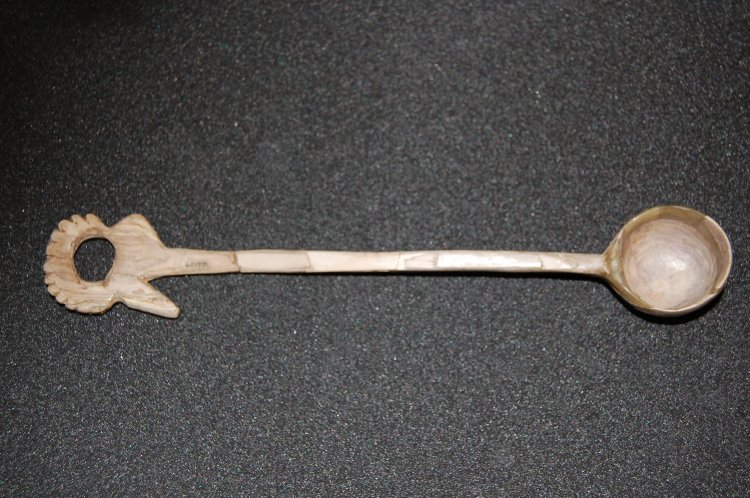 Figure 6 – Ivory spoon from Mostagedda Grave 1218
(Source: British Museum – EA62177)
Wood was occasionally used during grave construction. Although it is not well represented as a raw material for other objects, three wooden “throw sticks” were recorded and are discussed below. Local tree species, would never have been a limitless resource during the Badarian, and its use may have been managed in local law in the same way as it is today by the Abadba, Ma’aza and Hadendowa pastoralists of the Eastern Desert (Bos-Seldenthuis 2007; Hobbs 1989, p.105; Hobbs et al 2014; Wendrich 2008; Harif 1996). Wood could be replaced by dung as a source of fuel (Hassan 1988; Mlekuz 2009; Portillo et al 2017), which domesticated animals would have produced in large quantities (Linseele et al 2010) but it would have been difficult to replace in construction works requiring anything more substantial than reeds, and may have had a higher intrinsic value than either ivory or bone, both of which had higher acquisition costs but were renewable resources. Wood has low acquisition costs but is very costly if removed from the pool of available resources in the long term (Hobbs 1989, p.104-105). Acacia, for example, is used for shelter, its pods and fruits are used by herbivores for fodder, it is a place where dung may be easily collected, and its tannins can be used for preparing hides, and when managed with care it provides an ongoing renewable source of fuel (Hobbs 1989, p.104-105; Harif 1996). Its absence in Badarian contexts may be due to prohibitions due to its high value rather than a preference for ivory. The presence of axes that are both chipped and polished, giving good tensile strength (Tassie 2014, p.234) argues for the use of tough plant materials which could include wood, roots and reeds.
Other materials came from further afield. Slate palettes made from meta-greywacke were found in graves and this fabric could be obtained only from the Wadi Hammamat to the southwest (Aston et al 2000) (figure 7). Similarly, coloured stones of different types could only be sourced from the Red Sea Hills, but are often found in Badarian graves (Aston et al 2000).
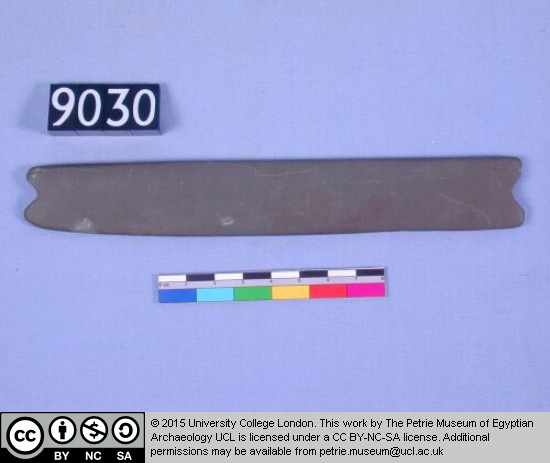 Figure 7 – Meta-greywacke palette from Badari Grave 5152 (Source:
Petrie Museum of Egyptian Archaeology, UCL, UC9030)
Two types of mechanism appear to be possible for this type of acquisition: direct and indirect, each carrying their own cost. In the case of direct acquisition, members of the group would have travelled to the source of the stone, quarried it and returned with it. The costs involved here are knowledge acquisition and transmission, expenditure in the form of travelling time and distance from home, the supplies required to permit the expedition, the loss of labour during the absence of those engaged on the expedition. These costs could have been significantly reduced if material acquisition expeditions were combined with movement of the herds to new pastures. Indirect methods would have involved using the knowledge of a third party, and paying whatever price demanded for the fruits of that knowledge. There are various mechanisms that could have facilitated this including travelling specialists, trade and exchange meetings and religious meetings. The cost here will be whatever the transaction fee is between seller and buyer which, in the case of the Badarian, might be animals, crops, food products, craft objects or temporary access to land, water, livestock or the development of ongoing trade or social arrangements. These are expressed in terms of costs involved in the simple diagram below (figure 8), which demonstrates that direct acquisition by a dedicated party sent to source stone is the most costly in terms of labour lost to the community and the energy costs in terms of additional water and nutrients required to feed an acquisition party. It should be noted that this decision tree is not an attempt to represent how people thought through their options, it is merely a way of representing what those options may have been, and what the dilemmas and potential outcomes may have been.
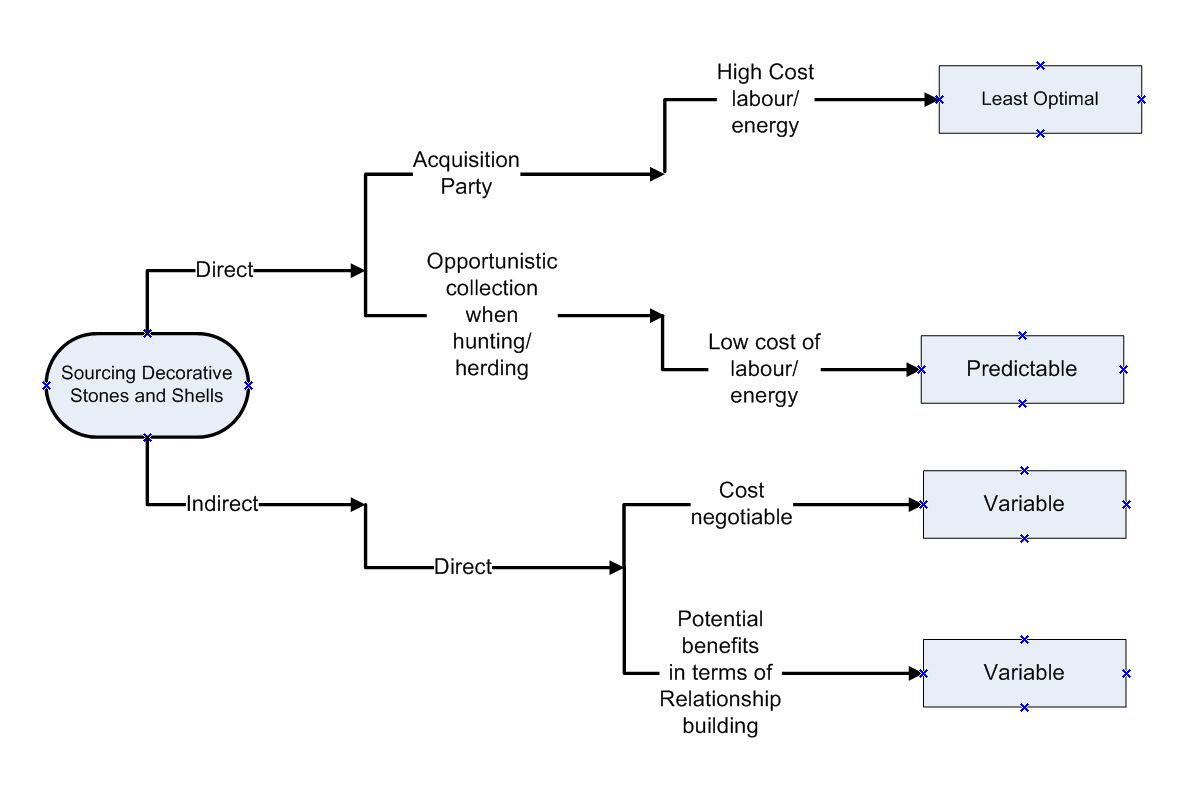 Figure 8 – Simple decision tree showing the main the options for
raw material acquisition in the Badarian
The benefit of taking a direct route to the resources are that no middle-man needs to be employed and paid, but labour is removed from the community and energy costs are high, unless the resources were acquired during activities that would have taken place anyway. In the latter case, knowledge of the landscape and the ability to predict when such activities would take place would be beneficial. However, the indirect route, acquisition via third party, whilst it has the downside of some form of expenditure, may serve to reinforce social and trade relationships that are beneficial to the sustainability of the group. There is no way of evaluating what sort of criteria would go into making a decision, so probabilities cannot be assigned to the decisions that might be made. Probabilities equate directly to values and value systems. Whilst it is not possible to recreate value systems in prehistory, or know for certain what tangible and intangible factors would inform what groups were likely to do, it is at least possible to see some of the choices that were available.
A different type of resource is pasture. Unlike stone or clay, and even to an extent marshes, pastures are highly seasonal and move around both geographically and temporally. As described in Chapters 3 and 5 the hallmark of arid and semi-arid areas is variability, so the question here is whether the floodplain itself would have supplied sufficient pasture, or whether herds would have to be removed to wadis for additional pasturage or, alternatively, to sustain them during the flood season before the waters began to recede. Wadis are used today for grazing herds (Hobbs 1989; Ibrahim and Ibrahim 2003, p.60; Belal et al 2009). It is possible that there was year-round vegetation in the three largest wadis, particularly Wadi Asyut in the north and Qau Bay in the south, and that the possibility existed for movement along wadi systems into other areas to avoid over-grazing. The possibility that floodplain grazing was preferred is suggested by Mahgar Dendera 2 where a narrow and steep floodplain were selected and grazing animals were present during flood seasons (Hendrickx et al 2001). The importance of finding grazing beyond nearby wadis would depend on the size of herds and the practicalities of doing so would depend on knowledge of where and when (rainfall being temporally and geographically variable) suitable pasture appeared. The costs of taking the herds to those pastures would depend to a great extent on the type of mobility adopted and the level of transhumance or full nomadism that were practical, and the level to which the Eastern Desert was already occupied by other herders and hunters. It might also depend on the degree to which Badarian people perceived and understood themselves as mobile (Belal et al 2009, p.131; Turton 1995, 2011; Wendorf and Schild 1980, p.270).
Another class of raw materials are those that were not or may not be been available in Egypt. Into this class fall turquoise and possibly copper and glazed steatite. Rolled copper was used to make fairly flimsy items including pins and beads (e.g. Badari grave 5112 – see figure 9 below). It was available from the Eastern Desert in small quantities, and may have been local, but another possibility is that both copper and turquoise came from Sinai. The nearest source of turquoise was Sinai, which was also an important source of copper and both were exploited in the contemporary Near East. The identification of turquoise at Badarian sites is insecure, and the first firm identification of turquoise dates to Naqada IIC (Hendrickx and Bavay 2002, p.60-61, 72), with Brunton himself questioning the designation (Brunton 1928, p.27) and placing question marks against items that he classified as turquoise, and it is possible that some of those items were in fact glazed steatite (e.g. Badarian grave 5740, Brunton 1928, p.16). Maarten Horn has argued, based on his analysis of shape and perforation morphology, that although the beads are probably glazed steatite, pendants from two graves could in fact be turquoise (Horn 2015, p.115). Unfortunately, no scientific analysis has so far been published that might answer this question definitively, although Horn is currently undertaking X-Ray Fluorescence analysis of Badarian items identified as turquoise, not yet published (Horn 2015, p.118). Waters are muddied by the fact that glazed steatite, whilst possibly a local innovation or learned technique, may have been imported from the Near East where it was very popular (Brunton 1928; Midant-Reynes 1992/2000, p.161), although Horn suggests that even though no manufacturing sites have been identified, it is more likely to have been produced locally (Horn 2015). Until analysis is carried out, suggestions of the long distance acquisition of turquoise, glazed steatite and copper are purely speculative, but it should be born in mind to suggest future lines of research.
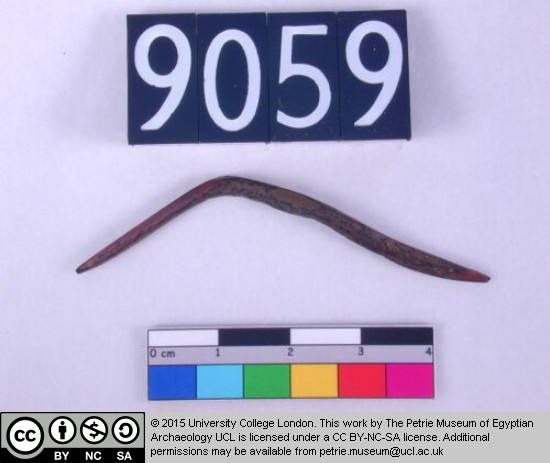 Figure 9 – Copper pin from Grave 5112
(Source: Petrie Museum of Egyptian Archaeology, UCL, UC9059)
Food acquisition and production technologies
The main fabric to survive in the form of implements is stone. The limestone cliffs behind the floodplains provided chert/flint, which was either found in situ within the limestone or where it has eroded out and is found in small nodules at the foot of the cliffs, in wadis and on the edge of the floodplain (Brunton and Caton-Thompson 1928, p.75). The main authority for stone working technology in the Badarian is Diane Holmes, whose PhD research included a detailed analysis of Badarian stone tool collections in UK museums with a view to improving upon the brief analysis of Brunton and Caton-Thompson (Holmes 1989a and b). Although exception al items are found in graves, the main body of the toolkit was found in settlement sites and included scrapers, side-scrapers, end-scrapers, truncations, denticulates, sideblow flakes and bifacial tools including arrowheads, knives, drill bits and sickled blades. Cemetery and settlement lithics are very similar and Holmes concludes that they are part of a single industry and can therefore be assessed together, although the results from Hemamiyeh were slightly different for reasons unknown (1989, p.105-6).
The industry is essentially a largely generalized blade and flake industry, non-standardized, with a bifacial component which is rather more standardized and it was made on flint/chert (figure 10) that was sourced expediently rather than quarried from particular seams (Holmes 1989, p.171-2). Flakes were removed from cores using a hard hammer technique and some cores were heat treated to deter fragmentation during knapping. There were no blade cores, so blades were apparently manufactured elsewhere, although it is unclear where or why. Although an obvious suggestion is that they were traded or exchanged with groups elsewhere it is by no means obvious who these blade manufacturers might be, and a comparison with blade types at other sites of comparable date would be worth exploring.
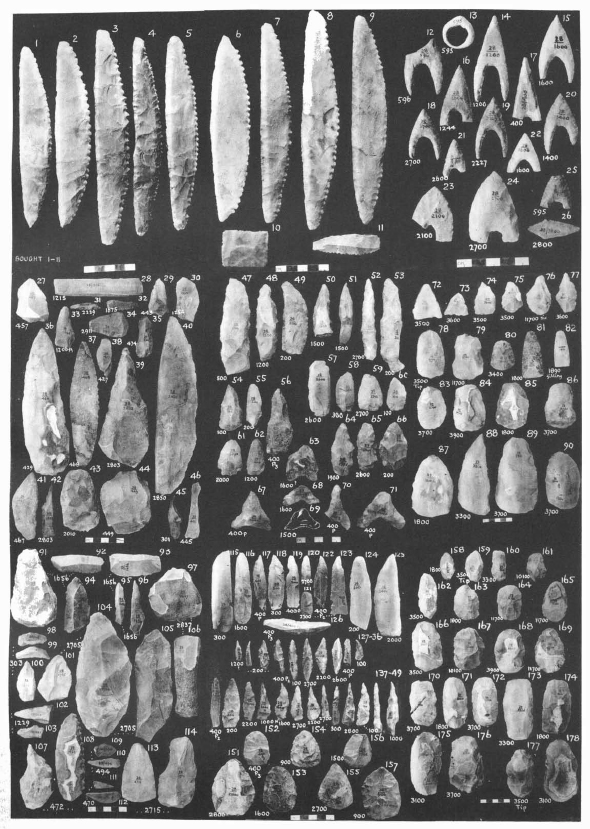 Figure 10 – Example of the lithic toolkit from Mostagedda
(Source: Brunton 1937, pl.XXVIII)
Sickle blades, Brunton’s “saw-edged knives,” (figure 11) which on the basis of Faiyum examples were probably hafted horizontally into wooden handles (Caton-Thompson and Gardner 1934) and were probably used for harvesting stands of wild or domesticated grasses. There were three types, with six examples from graves and 10 from “deposits” and nine in a group within a cemetery but not in a grave (Holmes 1989, p.106). The presence of twenty four large concave-based arrowheads (14 from graves and 10 from village and cemetery deposits) may have been used for hunting large game (Caton-Thompson and Gardner 1934, p.72 and 84; Edmonds 1995, p.102; Vermeersch 2000, p.37).
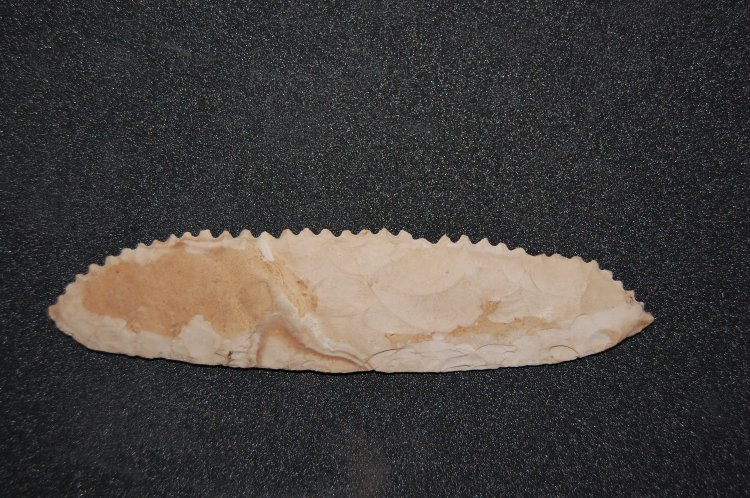 Figure 11 – Sickle blade from Badari Deposit 5773
(Source: British Museum, EA59713)
Using Shea’s observations about costs and benefits as a guideline (2013) the Badarian lithics can be assessed in terms of the decisions that were made during the Badarian. There is less care needed to produce this type of toolkit than the previous Epipalaeolithic industries that focused on microliths and bladelets (Butler 2005, p.25). The industry was a combination of optimized manufacturing, involving minimal time, energy and risk, using only locally available raw materials. But although this was an opportunistic and generalized industry, a certain amount of investment of time and energy was required to produce bifacial tools, although the skills required to produce them were no different from those already in the Badarian portfolio.
All the bifacial tools (figure 12) are versatile in terms of longevity, the ability to curate and constantly re-sharpen, and are therefore very valuable for ongoing use (Shirai 2010, p.304-306). Even though they are versatile and can be shaped for highly specific tasks, there is an initial investment required in the creation of bifacial tools, suggesting that they were both worth the investment and valued. That they had an intrinsic value is also suggested by their presence in graves, where they may have served as tropes of some variety (Edmonds 1995, p.149). Barkai suggests that bifacial tools were “much more than simply a solution to a technological problem. Beyond (and sometimes because of) their practical roles, they could also hold a profound social significance, drawn upon in the construction of ideas about identity and in the negotiation of relationships” (Barkai 2011, p.6). Barkai was looking at PPNA and PPNB items in the Near East and the transition from hunting and gathering to sedentary agriculture, but his observations about the amount of work put into such tools are just as valid here, as bifacial tools are obviously an essential differentiator here too between purely hunting and gathering livelihoods and alternative livelihood strategies, perhaps linking “symbolic elements with social situations, giving them new values” (Barkai 2011, p.12). Gero’s proposal that some tools function to “form, maintain and transform social relationships” seems appropriate here (Gero 1989, p.92). The bifaces correspond to three of her five axes of variability: the small size being transportable and easily exposed, the longevity promised by the ability to curate the tool, and the number of production stages involved. Gero suggests that tools like this were particularly relevant where rights, obligations, territorial privileges and specific economic statuses were in play (Gero 1989, p.92), all of which would apply. Unlike later fishtail blades and ripple-flaked knives, these bifaces were not creations that involved high risk or investment, and are probably belong best in Shea’s “satisficing” category (2013, p.39), involving an additional amount of work for necessary benefits, but not exceeding them, but from their prominence in Badarian graves clearly had great value to their owners. All items were portable and suitable for both mobile and sedentary livelihoods.
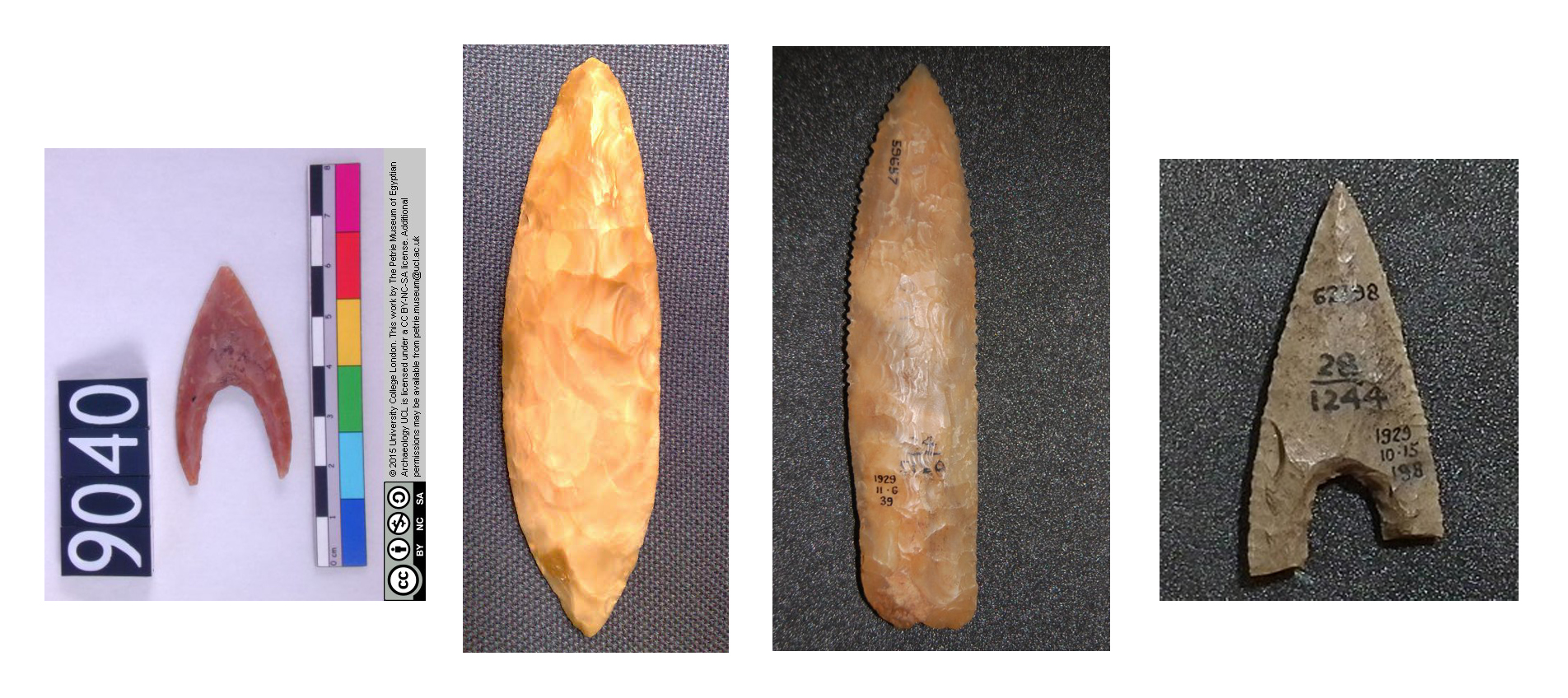 Figure 12 – Bifacial tools . From right to left, concave arrowhead from Badari
Grave 5744; flint knife blade from Badari Grave 569; double-edged knfie, Badari
Grave 5120; Badari Grave 1244 (Source: Petrie Museum of Egyptian Archaeology UCL,
UC9040; British Museum EA59725, EA59657; EA62198)
Worked tabular slabs were found in significant quantities, but it is not known how they were employed. Axes that are both chipped and polished, giving good tensile strength (Tassie 2014, p.234) were found in small numbers. These are often associated with post-Epipalaeolithic industries and Brunton’s Tasian “celts” fall into this category (Brunton 1937). It is possible that they were important for clearing areas prior to low-level cultivation and prizing apart larger jointed pieces of meat, like hippopotamus carcasses. Silicified wood from the Eastern Desert was shaped into crude hammer-stones (Aston et al 2000, p.28). Even though it was difficult to carve, it was solid and good for shaping other stones, and supports Holmes’s view that hard percussion tools were used during the Badarian (Holmes 1989).
Ground stone items are common, including mortars, querns and grinders, probably mainly for the processing of plant foods. These heavy and bulky items are often difficult to move but were common in desert communities, even those with a large component of mobility in their subsistence strategies.
Ceramic container technologies
Pottery is found in large quantities, with 1000s of shattered sherds as well as complete vessels, and consists of food preparation and storage technologies (figure 13). Guy Brunton identified seven different types based on clay type, quality and surface treatment: Black topped brown polished (BB), black topped red (BR), smooth brown (SB), rough brown (RB), polished red (PR), miscellaneous (MS) and all black (AB) (Brunton 1928, p.21-24; 1937, p.27, 48, 49; 1948 p.10).
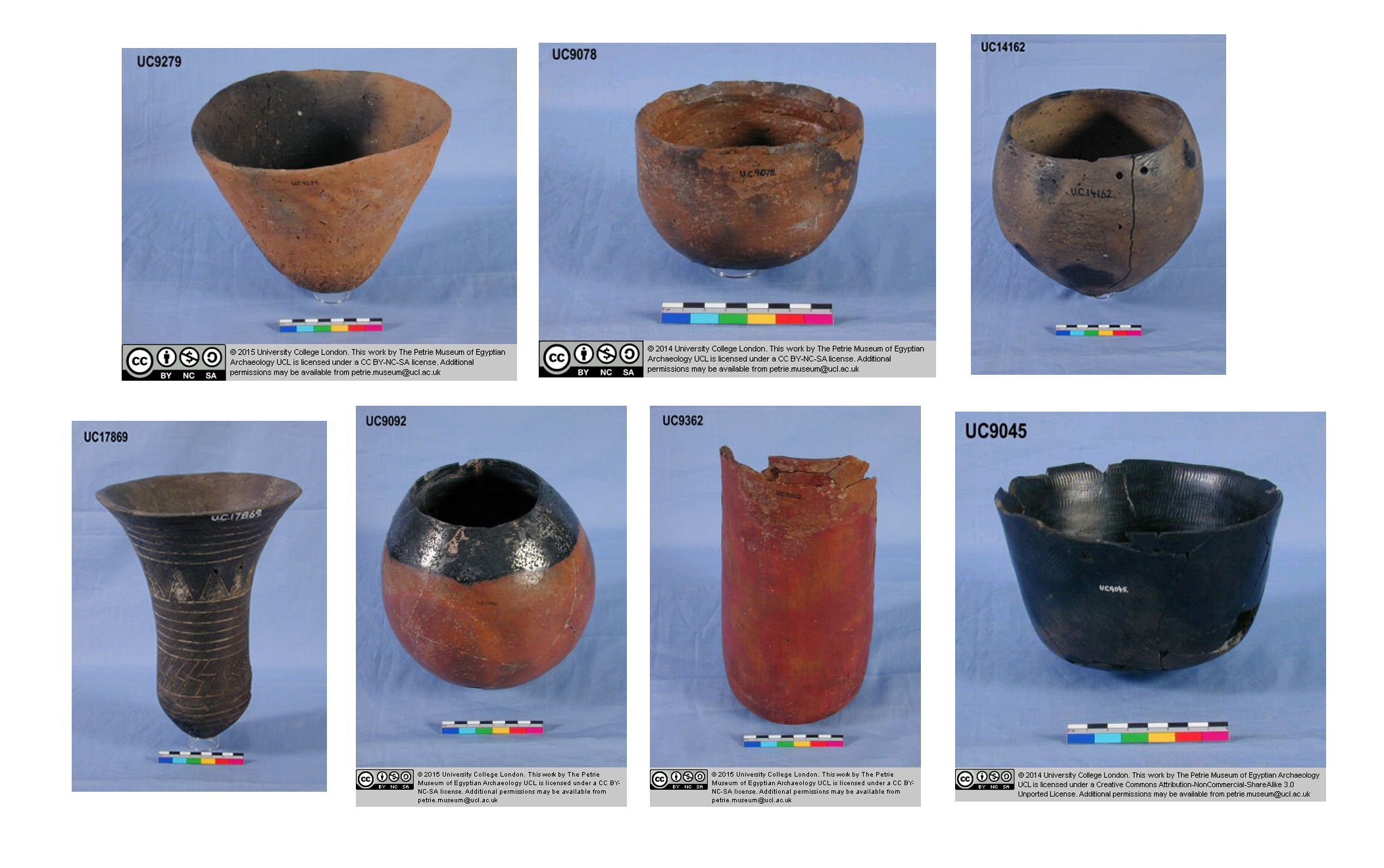 Figure 13 – Ceramics from Badarian sites.
(Source: Petrie Museum of Egyptian Archaeology)
All of the ceramics were hand-made, the majority using the coiling technique together with a combing process to even out the coils, which became incorporated into a decorative motif on some types. Some were also burnished and a few were supplied with incised geometric decorations. There is a general similarity between the forms (Brunton 1928, p.24) with bowl shapes dominant (both shallow and deep), dishes with small straight sides, dishes with angled sides and some oval forms. Rims are almost always straight, rarely have defined necks and on rare occasions are everted. Both round-based and flat-based types are found. Round-based types are easier to position on stones and settle into sand. A minority of vessels were manufactured using the pinching and hollowing technique (Friedman 1994, p.402).
Ceramics included both fine wares (tempered with fine sand) some of which were of a quality that was never superseded in Egypt, and coarser pots were heavily tempered with straw, chaff, charcoal, ashes, animal bone fragments and charred twigs and were frequently badly fired and often left unpainted (Brunton and Caton-Thompson 1928, p.20-26; Friedman 1994, chapter 7). It is thought that black-topped pottery was probably achieved by placing a fired pot upside down in hot ash (Nelson and Khalifa 2010). Finer thin walled and well fired black-topped red and brown wares would have required high heat and temperature control, although no kilns for pottery manufacture were found. Romer suggests that as clay shrinks as it dries, and then again when it is fired, the finished products “would have required the creation of some remarkably vigorous shapes in fresh wet clay” (2012, p.41-2). Different effects on finished items were achieved using different techniques. Burnishing was probably achieved by rubbing with a hard object (Brunton and Caton-Thompson 1928, p.35). Baumgartel (1955, p.17) thought that the surfaces may have been designed to emulate leather carriers, since lost due to poor preservation.
Some vessels were possibly used for storage, such as rare examples where cereal was found in pots (e.g. Mostagedda, Brunton 1937, p.58), whilst others may have been used for cooking to judge by the charring and smoke-blackening (Brunton 1928, p.24).
Handles were only very rarely provided, and are described by Brunton as “foreign to the general nature of the pottery” (Brunton 1928, p.24). This could be partly because pots were usually used in situ, whether for cooking or for storage, without the requirement for moving very far. It is perhaps more likely that they were seen as a major point of weakness. It may also be that handles were simply an alien concept, and that the shape was an important tradition.
There are examples of pottery of all types being mended, either with broken rims being ground down or by drilling both side of cracks and held together with some form of tie (e.g. Badari 2000/5770, 41E, in Brunton 1928; Mostagedda 3272, 77H, pl.XV in Brunton 1937; Matmar 3200, 8, pl.V in Brunton 1948). This suggests that pottery was highly valued and that it was not always easy to replace. Reasons could include damage incurred when pots were removed from proximity to craft specialists; shortage of readily accessible skills for other reasons; seasonally available skills; or value of a specific pot to a specific household or individual.
Although there are identifiable categories and types of pottery there was no standardization in forms and no sign of mass production. Nor are there any signs of craft centralization or industrial zones, although this particular form of pottery is not found in sufficient numbers outside the Badarian for it to be suggested that it was imported from elsewhere. The range of shapes and sizes and the lack of standard types argues for a lack of centralized production, and perhaps a lack of demand for specific forms for particular tasks. This collective picture suggests that there were individuals who inherited the knowledge of pottery manufacture, creating ceramics within a broad tradition, but the mending of vessels either suggests that this knowledge and skill may have been restricted to a few households or that pottery manufacture was confined to particular places, only made at particular times or that, as in Barabaig society (Klima 1970), each vessel was specific to its owner and could not be easily replaced by another.
The ceramic range of seven vessel types represents choices, clear decisions about materials chosen (Nile silt rather than wadi marls), temper, shapes, thickness of vessel walls and surface treatments, all of which took place both within a set of long-term traditions and new ideas about ceramic production. Whilst ripple-surfaced and black-topped wares were known from earlier Sudanese and desert contexts (see Tradition below), other forms are confined to the Badarian, including both fine and rough wares, suggesting that traditional ideas and livelihood strategies were being blended with new economic strategies and ways of thinking. The choice between fine and coarse ceramics represents two different approaches to investment of time, energy and natural resources, and repairs indicate an additional interest in the curation as well as manufacture of ceramics, whilst the range of fine ceramics appears to explore new relationships with fabrics and forms. Whether these experiments were driven by the potter or by the users is unknown, even if such a distinction was important. Both fine and coarse types were found at settlement and cemetery sites, indicating that they were incorporated into the realms of both the living and the dead and of value to both. Probably produced at the household level on an ad-hoc basis, possibly by women (Arnold 1985; Balfet 1965; Needler 1984, p.184; Rice 1987, p.183-91), this was knowledge that may have travelled within and between households over the generations, conforming to a broad set of ideas from both the distant and recent past. Although both fine and coarse ceramics were found in cemetery contexts, the presence of both types of wares in settlement areas with burn marks and occasional plant and animal contents may suggest practical as well as ritual roles, perhaps closely associated with individual homes or families.
Craft skills
Basketry, matting and rope. Furnishings included basketry, matting and rope, described by Midgely (in Brunton and Caton-Thompson 1928, Chapter XX, p.64-66 and Brunton 1937, p.61-62). Basketry and matting, involving very similar and sometimes identical techniques are an important component of Badarian material remains, including coverings and wrappings in burials, and lining in storage pits. Brunton describes matting as “almost universal in Badarian graves” (Brunton and Caton-Thompson 1928, p.39) (figure 14). In Mostagedda, for example, there were only three graves without matting, and in two graves many layers were placed over the body (Brunton 1937, p.47). It was clearly a skill that was embedded into Badarian livelihoods and may have involved seasonally driven activities as part of the end to end processing, the chaȋne opératoire, of raw materials into final products. Whilst it is likely that reeds were available all year round, there may have been an optimal time during their life-cycle for collection and transformation into matting, basketry, cordage and related object classes, as there is with flax (Vogelsang-Eastwood 2000, p.270). Wendrich identifies four principal types of method: coil, weave, twining and binding (Wendrich 2000, p.256).
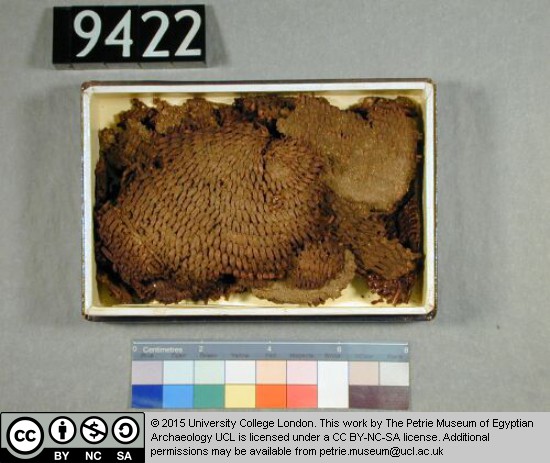 Figure 14 – Matting from the Badarian
(Source: Petrie Museum of Egyptian Archaeology, UCL)
Textiles. Linen made of flax has been found accompanying several burials. It was introduced earlier from the Near East into the Faiyum Depression (Caton Thompson and Gardner 1934). It was often in a very poor condition, with Brunton writing that at Mostagedda, where it was noted in 48 graves, it was “always in a state of utter decay” (1937, p.47). The use of linen in graves may have represented clothing but Jones (2014) has convincingly argued that in some cases, that at least in the remains she examined from four graves from Mostagedda (graves 49, 3538, 1214 and 1215) that the wrapping in linen was part of an early attempt at mummification, particularly given the presence of substances that were associated with the process of mummification in Dynastic Egypt. The same fabrics, however, must also have been used for clothing. Brunton’s analysis indicates that a high degree of skill was achieved: “The weft was spun yarn of considerable length, passes as a ball or spool from side to side of the look through the warm shedding and so formed a true selvedge to the weave” (Brunton 1929, p.65). The process to manufacture linen from flax was a complex one, but had already been perfected during the Faiyum Neolithic (Vogelsang-Eastwood 2000). It is described briefly by Midgely (in Brunton and Caton-Thompson 1928, Chapter XX, p.64-66 and and Brunton 1937, p.62-63).
Scheduling is an important aspect of linen manufacture because the age of the plant influences the uses to which it can be put, with the youngest mature stems being used for the finest textiles in February, but most of the surviving Badarian fabrics were quite coarse (e.g. Brunton 1937, p.61-3) so the flax must have been harvested later in the year (Vogelsang-Eastwood 2000, p.270). A C-ware bowl from a woman’s tomb at Badari dating to Naqada I (grave 3802, Petrie Museum UC9547; Brunton and Caton-Thompson 1928, p.54, pl.XLVII) is thought to be one of the oldest Near Eastern representations of a ground loom (Cortes 2011, p.94-5; Vogelsang-Eastwood 2000, p.276-277). Although it post-dates the Badarian, it provides a useful example of how Badarian weavers probably made their linen. Two end-beams are pegged down at each corner with the warp running between them. The ground loom was still in use in Egypt by the 18th Dynasty, and could be used to weave flax, sheep/goat hair, grass and reeds and palm fibre, and is also in use today by certain Bedouin groups (Cortes 2011, p.94), including the Ababda tribe of the Wadi El Gemal southeast Egypt where a flat loom is used to make traditional mats (Mahmoud 2012, p.12, with photograph). Bone awls and needles found in Badarian graves were probably used for textile work and leather working.
Leather goods. Animal hides are recorded from a number of graves in the Badarian area, mainly used as wrapping and occasionally as garments (Brunton 1927, p.47). Most are thought to be made from goat, gazelle and other antelopes (Brunton and Caton-Thompson 1928, p.40; Brunton 1937, p.47). Brunton adds that in grave 2004 the stitching on un-tanned goatskins was visible. The most intact item is a black-furred animal hide that was draped around the back of a male in Badari grave 5735. Some fine leather pillows were stuffed with chaff (Brunton 1928, p.463-4). In most cases Brunton identifies hides with hair, which was usually quite fine and either long or short, with different colours, “but in a few instances no hair was visible, and it was evident that the skins had been tanned” (Brunton 1937, p. 47). Acacia bark can be used to tan leather (Hobbs 1989) and was available in the vicinity. Examples from el Badari are possible leather bags (5739 and 5773) (Brunton and Caton-Thompson 1928, p.16, 17), a pad under one individual’s head (5802) (Brunton and Caton-Thompson 1928, p.17), a plaited thong (5803) (Brunton and Caton-Thompson 1928, p.17) and wrappings (5808 and 6018) (Brunton and Caton-Thompson 1928, p.17, 18). Other examples are noted from Mostagedda, including two leather knots (408). Various items showed seams (e.g. examples from el Badari 5806 and Mostagedda 464), which may have served as prototypes for pottery (Brunton and Caton-Thompson 1928, p.23). As noted above, bone awls and needles were probably used for textile work and leather working and Van Driel and Murray (2000 p.308) see the presence of bone and copper awls as “an important indication of leather as a raw material.” The manufacture of items made of leather depends upon finding dead animals or slaughtering them (Hurcombe 2014) and this may have been seasonally dependent. It is known that young male sheep were slaughtered in the inundation season at Mahgar Dendera 2 (Hendrickx et al 2001; Hendrickx and Midant-Reynes 1988), and it is possible that similar regimes were factored into the annual routine for domesticated animal slaughter, although wild animals might have been available on a more ad hoc basis.
Bone tools. Pins, needles and awls were all found in the Badarian (Brunton and Caton-Thompson 1928, p.33-34), many made of bird femurs, some of which were probably employed in textile, leather working, and possibly basketry manufacture.
Beads and perforated shells were found throughout the Badarian cemeteries. After tools designed to maximize food production and acquisition efficiencies, the most common use of stone was for ornamental and decorative items. Beads are usually made from exotic colourful stones. The glazed steatite girdles mentioned above are exceptional examples but beads are found in many graves, sometimes threaded but sometimes as loose items. Some graves were accompanied by single beads. Horn’s analysis shows that there were four types of bead shape: cylinders (both short and long), rings, pendants and “fancy barrels” (2015, p.102-107). Some are found on strings and some occur as individual items (Brunton and Caton-Thompson 1928, plates V-VIII; Brunton 1937, plates VII-X; Brunton 1948, plate III). For particularly hard materials like shell and carnelian, perforations may be single or double-core shaped (Horn 2015). For softer materials like steatite and soapstone all perforations were pierced from one end to the other in a straight cylinder. The perforations had differing diameters, indicating a lack of standardization in manufacturing tools and techniques, but demonstrating a certain amount of consistency in the techniques employed and the outcome required (Horn 2015). Nile and Red Sea shells were used to make jewellery including head circlets, bracelets, necklaces and anklets (figure 15). Children were occasionally buried with girdles made of shell (for example Badari graves 5705, 5721, 5735, Brunton 1928, p.27). Most of the shells were derived from the Red Sea and like the beads were clearly very desirable for manufacturing jewellery but were not subject to standardized production processes with regard to size and forms. The sheer variety of shell types used suggests that a) variety was one of their attractions and b) standardization was, as with pottery and lithics, not required.
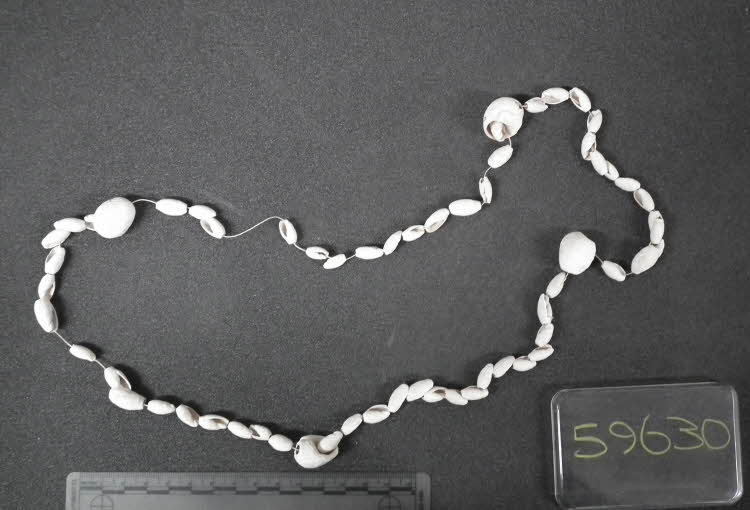 Figure 15 – String of shells from Badari Grave 4803.
Sixty Ancillaria, three Nerita, and one Natica shell (Source:
British Museum EA59630)
Glazing is a very specific technique and may not have been carried out in the Badarian area, instead being imported from elsewhere. Tite and Bimson (1989) have shown that steatite beads were fired whilst being buried in a glazing mixture with a copper compound giving it the green-blue appearance, described by Horn as “a major pyrotechnical feat” (Horn 2015, p.111) The technique was confined to ring and cylinder forms. Although there are no signs of a zone at any Badarian site that was dedicated to glazing, this does not rule out the possibility that it took place in the Badarian; there are no signs of kilns for the production of Badarian pottery either, but there is little doubt that ceramics were made in the area. Glazed steatite, as well as being present in graves as single beads or incorporated into items of jewellery, was used to make very long belts or girdles of 1000s of beads that were wound multiple times around the hips (figure 16) and were associated exclusively with the burials of men; some included shell spacers. At Matmar in Cemetery 3000, Grave 3094 produced one that still adhered to the pelvis (Brunton 1948, p.8). The total inventory of these girdles are: graves 5705, 5721 and 5735 from Badari (Brunton 1928, p.28), graves 3501, 3512, and 3522 from Mostagedda (Brunton 1937, p.52), and 3094 from Matmar (Brunton 1948, p.8). Grave 592 at Mostagedda also contained large numbers of steatite beads, but these were spread over the body (Brunton 1937, p.37).
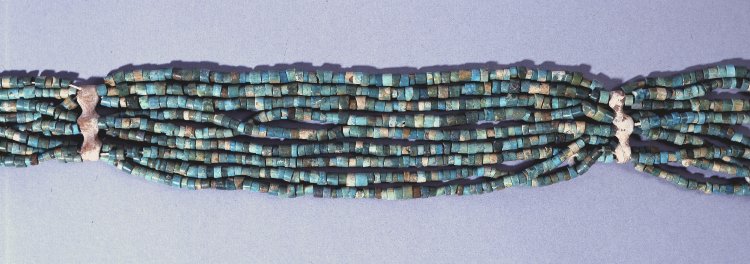 Figure 16 – Belt of glazed steatite beads from Mostagedda Grave 592
(Source: British Museum EA62150)
Sculptures in the round appear for the first time south of Merimde Beni Salama, made of ivory and ceramics were used to manufacture human figurines, of which are there are five examples from four different graves (Badari graves 5107, 5227, 5769 and Mostagedda 2200, 494) (Brunton 1928, p.8, 9, 17; 1937 p.56), although only the figurine in Mostagedda grave 494 was in an undisturbed grave, accompanied by many other objects (figure 17). Interestingly, it was broken into four pieces, which Brunton, having examined the remains, concluded was a deliberate act. Two model boats were found in the loose ground in Badari Cemetery 5100 (1937, p.7) and broken remains of clay boat models were also interred in graves (Areas 200 and 2814 at Mostagedda) (Brunton 1928, p. 34; 1937, p.57).
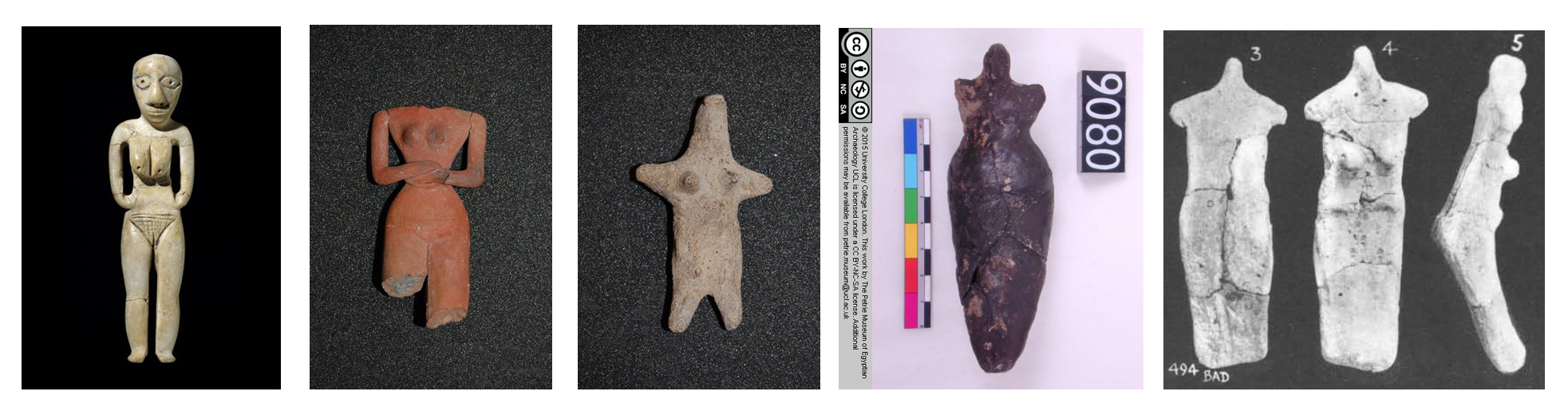 Figure 17 – Badarian figurines from (left to right) Badari Graves 5107 and 5227,
Mostagedda Graves 2200, 5769 and 494 (Source: British Museum EA59648, EA59679,
EA62211 ; UCL UC9080)
Copper was employed during the Badarian but the items were so flimsy that they were probably never used in anger, and many were ornamental, forming pins and beads (Brunton and Caton-Thompson 1928, p.33, p.27). They were possibly made from native copper which, found in its metallic form, required no smelting (Ogden 2000, p.151).
Wood was not a common material for the use of artefacts, possibly due to poor survival and possibly because living wood was curated. Tamarix aphylla, which is present in the archaeological record at the Badarian, is used today to manufacture small items (Springuel 2006, p.104-5), so would have been a viable material. Wooden throw sticks were found in graves, two of which were incised with light decoration (found in Badari grave 5716) and may have been studded with beads (figure 18). A very small undecorated examples was found in Mostagedda grave 2707. They are clearly valued objects and may represent a particular skillset, but in spite of the name assigned to them by Brunton (Brunton and Caton-Thompson 1928, p.32), their function is unknown. Badari grave 5719 produced “two long pointed rods of wood,” 8 and 9 inches long (Brunton 1929, p.15). In grave 5755 a group of five wooden points consisted of “a single long one, two medium, and two small” (Brunton 1929, p.33). Brunton lists a twig necklace from grave 2011 at Mostagedda (Brunton 1937, p.39). In graves there are references to sticks, which may actually have been reeds, but there were also wooden posts in Mostagedda occupation Area 2800 group 2803 (Brunton 1937, p.10), a possible structure in Mostagedda Area 2000/3500 (Brunton 1937, p.14), and other fragments of wood were found in various parts of settlement areas. There were also two wooden points in a wooden sheath in Mostagedda Area 2700 (Brunton 1937, p.11), Brunton notes that “No sign of a wooden coffin was ever seen, but the bodies were often enclosed in a construction of sticks and twigs which served the same purpose” (Brunton 1937, p.46). The point here is to emphasise that wood was not a mainstream component of tool or structural manufacture and given the survival of matting and even linen, it seems unlikely that the rarity of wood in graves is actual rather than an artefact of poor preservation.
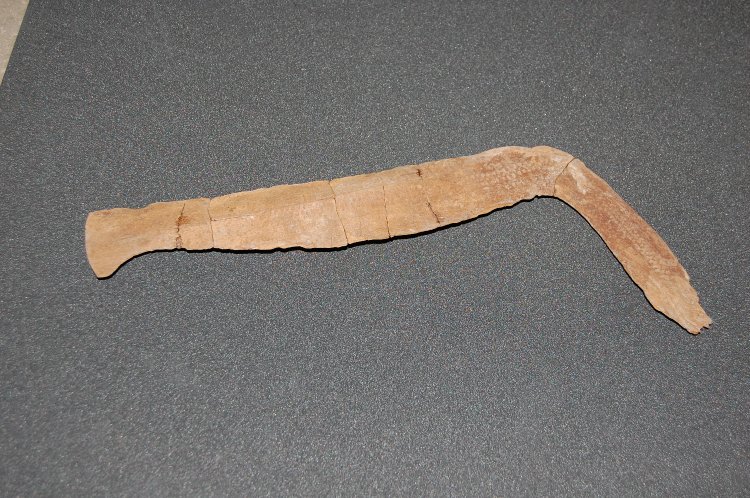 Figure 18 – Wooden throw stick from Badarian grave 5716
(Source: British Museum EA59703)
Cosmetics and pigments. Cosmetic equipment was an important part of Badarian personal equipment in graves (Brunton and Caton-Thompson 1928, p.30-31; Brunton 1937, p.53-54). Palettes, with indentations, perhaps for hanging or carrying, were made mainly of meta-greywacke, a material only available from the Wadi Hammamat, a route that crosses between the Nile and the Red Sea to the south of the Badarian area, the shortest crossing between the Nile and the Red Sea along its entire length. The palettes are often associated with other implements and minerals that are associated with cosmetic processing. Malachite cosmetic paint was manufactured, and processed with pebble grinders on meta-greywacke palettes distinguished with concave and notched ends. Grave 2840 at Mostagedda produced a travertine palette with red pigment on one side and green on the other, and pigments were found in a total of eight graves (Brunton 1937, p.6). Decorative spoons and tiny hippopotamus ivory vases were also probably associated with cosmetics or perfumes, coloured pigments were found, probably used in conjunction with palettes and decorative combs were also part of the personal items buried with the dead, showing a high degree of skill (Brunton 1937, p.53-4).
It is clear from the number of products produced and the variety of technical skills, as well as knowledge of plant cycles, used to produce them that the Badarian livelihoods incorporated the knowledge and skills to keep their households fully merchandized. Mended ceramics may indicate occasional departures from core sills or a shortage of sufficient experts to serve the entire community, and it seems probably that blade tools appear to have been manufactured elsewhere, perhaps by specialists from other communities, but goods continued to be included in graves throughout the Badarian suggesting that in spite of possible shortages in either skills or materials, the combination of goods and their usage was sustainable. All worked assets, whatever the material of construction, pass through many hands between sourcing of the raw materials to their eventual deposition in archaeological contexts, and are therefore the product of many individual inputs, negotiations and experiences.
Settlement location, character and size
As above, the sites were all distributed along a 35km stretch of the Nile. There are three main concentrations: two settlement sites at Badari, a single concentration of sites at Mostagedda and more dispersed sites at Matmar (Brunton and Caton Thompson 1928; Brunton 1937, 1948). All were located on the low desert at the edge of the floodplain, located on sections of low desert incised by small wadis to form “spurs,” but these were very ephemeral, consisting of thin unstratified layers of ash, hearths and occupation debris, sometimes only a few inches in depth, sometimes with large storage jars dug into the surface of the site, and with mud-lined and basket-lined pits, with almost no indications of structural remains. At Matmar, for example, different settlement areas were described as “typically poor remains,” “flints but no other village remains,” “scattered,” “a few traces,” and “a few odd Badarian or Predynastic objects” (Brunton 1948, p.3-6). Stratified layers were located and excavated by Caton-Thompson at Hemamiyeh, although there are again no structural remains and there are only two identifiable layers within the Badarian (Brunton and Caton-Thompson 1938, p. 74-5). At Mahgar Dendera hearths, post holes and mud- and basket-lined pits were found, but again remains were highly ephemeral and the site was interpreted by its excavators as a seasonal camp occupied during the flood season (Hendrickx et al 2001; Linseele and Van Neer 2009).
As Caton-Thompson says, it is not obvious why the Badarian people chose to settle on “these forbidding slopes” (Caton-Thompson and Whittle 1975). The mixture of well-structured graves in definable cemeteries and somewhat indistinct sites with almost no structural remains has led some authors to suggest that these were temporary camps used during the inundation, and that the main habitation would have been on the floodplain itself, probably on levées, now lost due either the movements of the river (Dufton and Branton 2010, Jeffreys 2012 and Sampsell 2003, p.94), overlaid by thick silt deposits (Hassan 1986) and modern agriculture (Holmes and Friedman 1994). It is also possible, although I have not seen it suggested elsewhere, that the west bank of the Nile may have been used for settlement, with the east bank dedicated to funerary activities and ephemeral settlement remains associated with those activities. Model boats found in graves (Brunton and Caton-Thompson 1928, p.34) suggest that this was at least a possibility, and there has been no excavation of that part of the west bank (Tassie 2014, p.248). Another suggestion, based on the remains that survive, is that that this was a mobile rather than a sedentary community, and was not in the need of long-term structures (Vermeersch 2002, p.38). Wengrow points out (2006, p.50-51) that Khartoum Neolithic sites are completely comparable in terms of their structure and lack of permanent structures, located on raised levees and in the desert plains were they are often on natural promontories, and there too there are rich cemetery sites. Hassan suggests that large permanent settlements “may have been unlikely to develop because of the narrowness of the floodplain in this region. Small settlements were probably not long-lived because of the effect of pronounced stochastic fluctuations characteristic of small populations: when the population of a settlement began to dwindle, its inhabitants may have joined other more viable villages” (Hassan 1988b, p.154).
As to settlement sizes, the lack of stratigraphy made it impossible to see how different settlement sites were used and what sort of activity they represent so it has been impossible to extrapolate from the available data to settlement sizes. In spite of Caton-Thompson’s excellent work at Hemamiyeh, and the number of sites found and excavated by Brunton, it is frustratingly difficult to define any sort of settlement patterning in the Badarian. The thin occupation layers indicate that the sites could not have been occupied for long, implying that settlements moved regularly, with people either combining floodplain and desert locations or moving up and down the Nile. Only at Hemamiyeh did Caton-Thompson discover a stratified site, but as described in Chapter 6, it is difficult to tie different parts of the site together due to her technique of excavation in measured depths that did not correspond to the real site stratigraphy. Some of the settlements could have been occupied contemporaneously, but the Badarian lasted for c.500 years, so many sites were clearly occupied at different times, although there is little in the archaeological remains to enable the development of a relative stratigraphy to suggest some sort of chronological relationship between them.
Effectively, each settlement site forms a palimpsest, so there can be little concluded about settlement size, development or population size, although there are a number of viable proposals that cannot currently be tested.
Mobility
The site at Mahgar Dendera 2 indicates that some sites were occupied on a temporary and seasonal basis. It was a camp rather than a permanent settlement. Badarian lithics, ceramics and personal items are associated with mud- and basket-lined pits. Sheep were slaughtered during the inundation period just before the site was abandoned after having been occupied from April/May to November/December. 50% of the 1266 lithics were bones and denticulates, which is quite different to other Badarian sites, suggesting specialized seasonal economic activity. Repair holes were more common in the pottery suggesting that access to potters was not convenient (Hendrickx et al 2001). Hassan (1988, p.154) envisages a pattern of mobility that uses settlement sites only temporarily as part of a seasonal round.
Doolittle points out that subsistence groups using floodwater farming as a food production strategy avoid basing themselves where soils with high salinity are present (determined by appearance and species that grow on the soil), that floodplain areas are favoured that have floodwaters moving at the right speed for the deposition of coarse silt, and that areas where floodwaters are still are avoided because the deposited silts are too heavy and prone to cracking (Doolittle 2001, p.423). It is possible, as Doolittle’s examples demonstrate, that some mobility would have been required to meet the above conditions on a seasonal basis (Doolittle 2001, p.423-4).
Small boats may have added an additional dimension to mobility, permitting travel across the Nile, as well as along it. Model boats in graves suggest that these were small and would not have carried many people or goods, but could have been useful for short trips.
Shelter
There is very little evidence of shelter, which may have been made of animal hides or textiles on reed frames, or may have been based on the floodplain and therefore now lost under Nile silts and agriculture. One exception consists of structural remains of “some kind of hut or shelter” at Mostagedda, placed against a vertical scarp, consisting of four stumps of wood. Three of the stumps were around 40-50cm tall and placed at 50cm intervals; the fourth was to the southeast of the line. Brunton suggests that it may have been part of a sunken hut base with an entrance to the south (Brunton 1937, p.14). Nothing similar was found in the area.
Post holes were found at Mahgar Dendera 2 but do not seem to form any particularly distinctive plan (Hendrickx et al 2001).
Economic structures
There are very few requirements for structures to support floodwater farming or pastoral activities. Basic protection from birds, rodents and small animals could be provided by labour as much as structural works, and few, if any, changes to the landscape require permanent modification for floodwater farming (Doolittle 2001, p.425, 492; Butzer 1976).
It could be argued that herds might be penned, particularly when any crops were growing. Brunton and Caton-Thompson thought that stone walls on the high desert were cattle enclosures (1928, p.40), but dates remain undetermined.
Cemetery architecture
Cemeteries are not distinguished by pronounced structural remains. Most graves are roughly oval in shape, sufficiently large to fit a loosely flexed body and a varying number of grave goods. There are some rectangular graves at Matmar Cemetery 2000, but these are the exception, not the norm. There is no overlap between graves, which suggests to Stevenson (2009, p.182) that there may have been markers in the past, but there are no remains of them today, if they existed. Within graves there are few signs of structural components to indicate that these were supposed to be structured subterranean tombs rather than graves. Of those that do have structural components, some graves had sticks apparently supporting matting over the body (Brunton 1929, p. 465). Matmar 2000, includes a rectangular grave with round corners with four holes that supported roofing poles (Brunton 1948, p.7-8). Another, Matmar Grave 2015, had matting and twigs lining the grave sides (Brunton 1948, p.7). At Mostagedda Brunton states that at sites he designated “Tasian” a niche was often scooped out of the west end of the site (Brunton 1937, p.25). If it is true, as Horn argues (2015, 2017) that Brunton’s Tasian sites should not be isolated from the Badarian, it would be useful to consider graves with this particular feature in terms of either social or chronological factors that led to them provided with an additional architectural feature. These few indications of structural components suggest that the act of deposition and the provisioning of the dead person themselves were more important than the investment in terms of labour and materials in the architecture that contained them.
Food storage systems
Brunton describes many pits lined with mat or basketry that he thought on the basis of some similarities with the Faiyum Neolithic (Caton-Thompson and Gardner 1934), were granaries, described in detail in his description of Mostagedda (Brunton 1937, p.68-69). These are discussed in Subsistence Assets, below. Storage facilities were also provided at Mahgar Dendera 2, where large ceramics were used for storage purposes (Hendrickx et al 2001, plate 7-1) and it is probable that pottery was also used at Badari (figure 19). The various ceramic types have already been described above. It is worth noting that there were no ceramic lids; where lids were required basketry lids were provided or one pot could be inverted over another. For storage purposes this would have been made the contents more vulnerable than necessary. In both the cases of granaries and pots, contents would have been vulnerable to consumption by small rodents. Michael Diehl emphasizes that the storage of cereal grains in pits can result in the loss of up to one third of food, due to microbial action, rodents or even spontaneous combustion (Diehl 2005, p.9). Holmes and Friedman found the remains of mice in their excavations at Hemamiyeh (1994, p.133), so it is quite likely that this was an ongoing problem for the storage of plant foods, whether wild or domesticated.
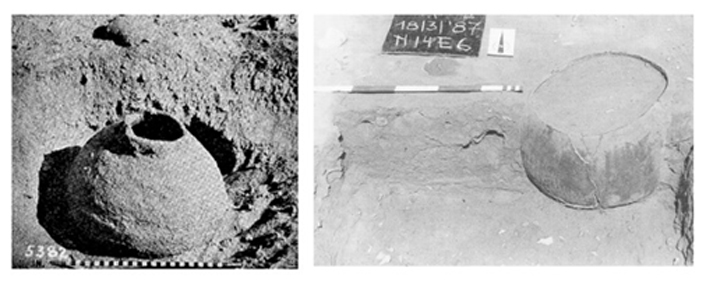 Figure 19 – Partially submerged pot from Badari grave 5382; Mahgar Dendera 2, N14E06
(Source: Brunton 1928, plate X; Hendrickx et al 2001, plate 7)
Transport
The remains of four baked clay models of boats were found, two in surface rubble of Cemetery 5100, part of one in Mostagedda Area 2000, and pieces of one in a pot Mostagedda Area 2800 (Brunton 1937, p.58) (figure 20), suggesting that river transport was either used by Badarian people or that they were the recipients of goods transported by water.
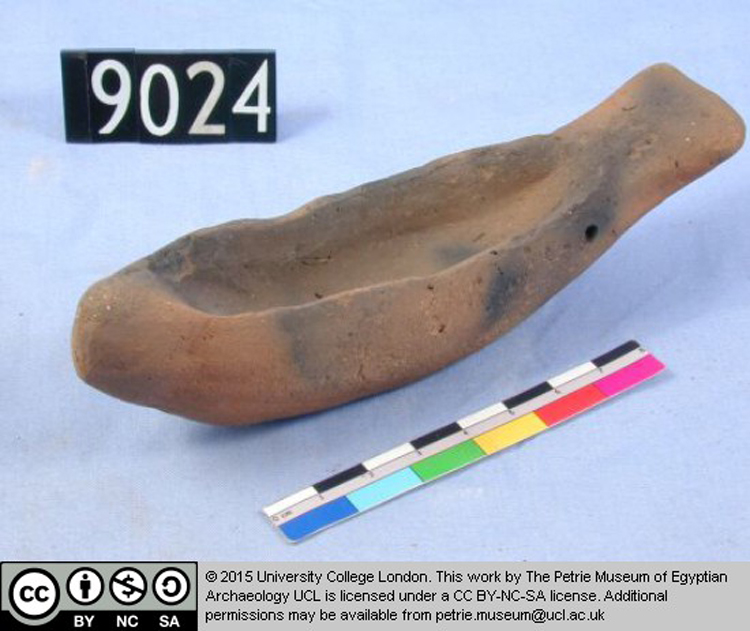 Figure 20 – Model boat from Badari Grave 5452
(Source: Petrie Museum of Egyptian Archaeology, UCL. UC9024)
Boats are of particular interest because they could, in theory, have been paddled as far north as Cairo and the Delta and as far south as the First Cataract at Aswan. This could have raised the value of the river as a trade/exchange and social network axis, providing opportunities for learning of new cultural ideas and new economic approaches. Perhaps more realistically, boats could have offered a means of crossing the river from east to west, which would provide Badarian people with the means to exploit the west bank as well as the east. Although there is no evidence for an east-west crossing point, this would have been very unlikely to survive due to the shifts in the Nile itself and the use of the river banks by subsequent people. There has been no excavation on the west bank to determine if there is corresponding evidence to that on the east bank (Tassie 2014, p.248).
Donkey was not domesticated at this time, but it is possible that sheep or goat were used as pack animals for expeditions into the Eastern Desert, given the evidence there were links between the Badarian and Eastern Desert, particularly in the form of Eastern Desert stone types such as jasper, agate and meta-greywacke.
Walking was also a perfectly viable means of transporting items that were lightweight and could be strapped to the body, carried or dragged.
Fuel
Given the available wild fauna, and assuming that domesticated herds were the main form of dung provision, dung should have been readily available, particularly concentrated beneath trees that would have provided shelter. Brunton refers to “animal excreta” in Area 2900, 3000, 30cms of animal dung at Area 1800 and could have been used as fertilizer but are more likely to have been used as fuel (Hassan 1988, p.154; Portillo et al 2017). Linseele (et al) 2010 attest to the sheer amount of fuel that can be assembled from herd animals, and Evans-Pritchard gives the example of dung being used as fuel by the Nuer (Evans-Pritchard 1940, p.258).
Burning wood, which was a relatively scarce resource, and one which was not readily renewable, would have been a much higher-risk option for the long term security of the environment, as recognized by Eastern Desert Bedouin today, who have imposed and enforced social and religious mechanisms for protecting living trees (Hobbs 1989, p.104; Hobbs et al 2014; Harir 1996, p.100; Wendrich 2007).
Craft infrastructure
There are no sign of kilns or equipment associated with pottery manufacture or for glazing steatite. There was a dome-shaped oven “made of rough lumps of mud” and fire-baked, in a hole 20cm deep at Mostagedda Area 2000/3500, but there is no indication as to its purpose (Brunton 1937, p.12), which could have had any number of a broad set of functions.
3.1.3 Social Assets
Status, roles and social organization
In pastoral societies, where status is often based on knowledge and experience rather than pre-defined and inherited hierarchical roles (Klima 1970; Manger et al 1996; Schareika 2014, p.4; Smith, A.B. 1996, p.30) other forms of status or role may be more important, based on perceived wisdom, experience, particular craft, mediating, healing or spiritual skills, or other valued characteristics. So far studies on the presence or absence of social status in the Badarian have been inconclusive. Brunton stated that the minimum requirement for the provision of the dead was a grave. His assessment of the relative wealth of graves was based partly on numbers of items in graves and he considered those with the most items in them to belong to wealthier and high status individuals than those with few or no items. He considered cemetery 5100 at Badari to be for “the more important people,” defined on the basis of largest average graves by volume, the greatest average number of grave goods and the greatest number of hamper-type coffins, which he thought indicated hierarchies. He reinforced this argument by pointing out that the pattern of contemporary tomb robbing, which focused on women’s graves, where the majority of ornaments and exotic stone objects could be found (1929, p.6). He considered Cemetery 2500 at Matmar to be poor, partly because of the few grave goods in each grave, and partly because they are largely undisturbed which he viewed as an indication that contemporary tomb robbers did not think that they were worth robbing (Brunton 1937, p.9). Hoffman agreed with Brunton’s analysis that the Badarian showed signs of social stratification (1984, p.143).
Anderson’s research (1992) supports Brunton’s conclusions. She employed a statistical analysis at seven cemeteries all in the Badarian area, using a set of 12 major variables to detect a strong unequal distribution of grave goods between and within cemeteries to argue for a two-tiered Badarian social structure based on kinship and descent groups. Her findings have been challenged by Stevenson (2009) on the grounds that volume of goods in graves is not an adequate measure of wealth or status, and that Podzorski (1990) found little data to support the idea of family groups at Naga-ed-Dêr. Following Binford (1971, p.14-15) A.B. Smith works on the proposal that grave size and contents can be used to assess wealth and status and although this type of approach has been challenged by a number of authors (Edmonds 1995, p.150; Hodder 1980, 1982; Humphreys 1981; Parker-Pearson 1982; Rakita and Buikstra 2005; Stevenson 2009; Tainter 1978; Ucko 1969; Wengrow 2006, p.73) he draws attention to all the features of Badarian graves that egalitarian burials do not have, including grave goods and the symbolism that they incorporate: “We can suggest that such symbolism reflected the world view of the Badarians as a ranked society that looked towards enabling the dead to exist as an extension of this world” (A.B. Smith 1996, p.31). He sees Badarian grave goods as legitimization of family ancestral status (1996, p.32). On the other side of the equation, but sharing Smith’s use of Binford’s arguments, Castillos (1982, p.69-78, 103-116, 129-136) finds no significant distinctions between the wealth of graves and sees very little social stratification. Trigger (1983, p.27) suggests that the Badarian was egalitarian.
Newell finds, on the basis of his seriation of pottery and palettes, that all three of the Badarian cemeteries in his analysis were burial grounds for separate sub-groups, perhaps extended family units (Newell 2012). So whilst Anderson and Newell agree that there are differences within and between cemeteries that are not necessarily chronological, and agree that there may be family groupings in cemeteries, they differ on their interpretation of this finding. Similarly, where Anderson concludes that Badarian graves may represent unequal access to resources (1992, p.62), Stevenson has pointed out (2009) that there are many ways of accounting for differential access to resources other than social status.
The same comment could apply to the identification of the apparent restriction of glazed steatite bead belts to adult males, which Anderson interpreted as symbolic of high status (1992, p.63), but could equally be an indication of a specific role, such as a shaman (Woods 2016) or a trader. They were very distinctive and instantly recognizable, worn in a certain very specific way, and presumably carrying a particular message. There are only a few of these belts and although they are represented in all three of the main cemetery areas (el Badari, Matmar and Mostagedda) they could have been made and worn at any time over the 500+ years of the Badarian. The inventory includes: graves 5705, 5721 and 5735 at Badari (Brunton 1928, p.28), graves 592, 3501, 3512, and 3522 at Mostagedda (Brunton 1937), and 3094 at Matmar (Brunton 1948). At Matmar in Cemetery 3000, grave 3094 produced one that still adhered to the pelvis and included white shell beads. Various different grave goods were associated with the graves in which the belts were found, so it seems as though there was no clearly defined funerary assemblage for those buried with the glazed steatite belts. However, Badari grave 5735 the individual was also buried in a garment draped down his back, made of animal hide with a soft black fur remaining (figure 21) and in Mostagedda grave 592 a goatskin of black and brown hair was arranged at the head, waist, and up the back so perhaps there were other clothing items associated with the belts.
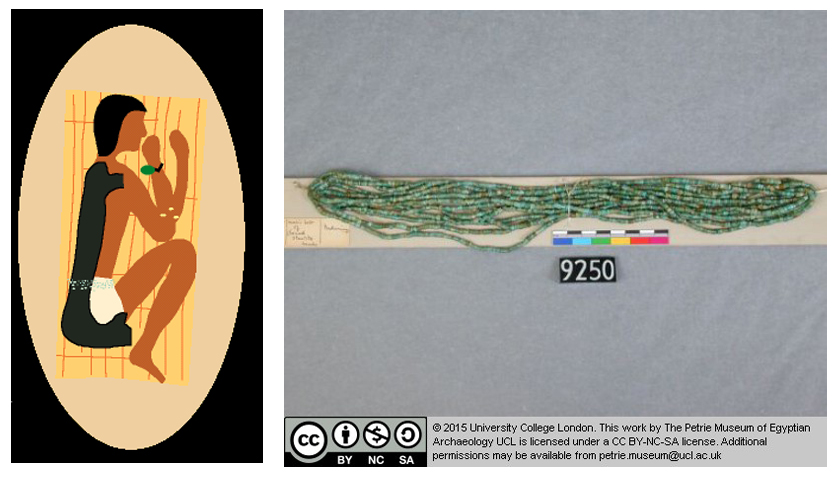 Figure 21 – A reconstruction of Grave 5735, and a short piece of the steatite belt that was found arranged around the hips of the deceased and over the top of a black hide garment (the other part of it is in the Ashmolean Museum, Oxford, AN1925.551) (Source: Digital Egypt https://bit.ly/2mPQdxK; Petrie Museum of Egyptian Archaeology, UCL. UC9250)
The belts are potentially more direct and explicit as symbols of power, status, office, wealth or role than anything else found in Badarian graves – specific items of clothing that are associated with particular ideas and people. Unlike the exotic beads, which could be arranged in any combination, these were very distinctive and instantly recognizable, worn in a certain very specific way, and presumably carrying a particular message. Woods sees them as clear symbols of power: “The fact that they were buried implies to me that they were personal to the owner. These strings of beads/belts were prestigious objects, emblems denoting status and authority within the community. They were imbued with powers and were therefore not objects that could be retained in the community and transferred to others as they were integral with the deceased. They were the expression of the person; a statement of their power” (Woods 2016, p.246). She goes on to suggest that rather than being connected with leaders they were the property of shamans, partly due to various attributes of the beads and belts, including their colour, which she discusses on the same page. However, the small number of these items and the lack of an agreed-upon internal chronology in the Badarian makes it impossible to know whether these items were contemporary or separated by time. If the former, perhaps the role with which they were associated was short-lived. If they were used throughout the complete Badarian time-frame perhaps they were passed from one person to another until the end of a lineage. It is also possible that the belts had something to do with the manner of death and were awarded posthumously. Unaccompanied by other pointers, they are open to multiple interpretations.
Whatever their function, there are also other items made out of glazed steatite, including necklaces, and sometimes individual beads were found in graves, all suggesting that glazed steatite was important and that those who could command the vast numbers of beads to make up the belts may have acquired specific roles, status or wealth, or all three.
Coloured beads threaded to make necklaces and bracelets may have represented the ability of certain individuals to access exotic goods, and may be manifestations of the beginnings of social differentiation. An example from Badari grave 5111 (British Museum EA59649), has polished beads made of an impressive inventory of mottled green or sea-green semi-translucent serpentine, yellowish-green semi-translucent Muscovite mica, turquoise, banded chalcedony and carnelian (figure 22).
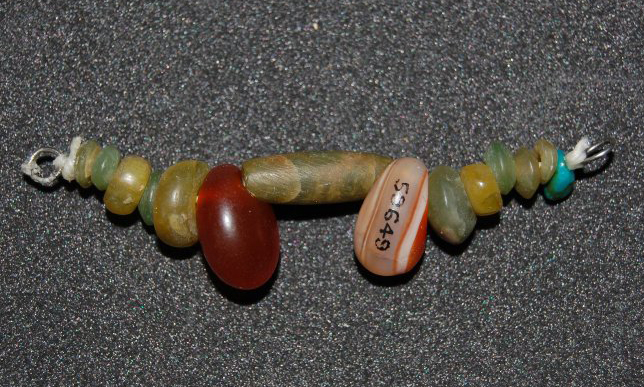 Figure 22 – Coloured beads from Badari grave 5111
(Source: British Museum EA59649)
Another of many possible examples comes from Matmar grave 6001 (Met Museum 32.2.42), which includes beads of bone, shell and serpentine. Sea shells were available from the Red Sea coast and serpentine from the Eastern Desert. All of the stones and shells were exotic in the sense that they were not available in the immediate locality of the Badarian and would have had to be imported, the nearest source of which was the Red Sea mountains, raised to the surface in the geological process of the Red Sea mountain uplift. It would have taken knowledge of the landscape and the ability to locate such stones to source them, and the mechanism by which they were acquired is not known. There is no identification of specie for the bone, so it is not known if it was a local or a desert specie that may have had some symbolic importance other than just as a craft material. The ability to acquire such goods may have differentiated some people from others, either because their role involved travel (e.g. trading with desert groups) or negotiation with other groups (for example land tenure agreements) or because they had better purchasing power. The Badarian cemeteries often contain items of personal ornamentation, suggesting that personal display was important, and also often contain exotic materials, indicating that either the colours, the workability or the exotic nature of the materials (or all three) were of value and worth the effort to acquire and may have conferred prestige on the owner. I should emphasise that although there have been proposals of social differentiation in the Badarian, there are other arguments that see no signs of social stratification so the question remains open. However, if these exotics represent ideas of differentiation they may be more to do with prestige and status than power per se, although in pastoral societies there is often a liminal zone between power and prestige, where people may have influence over certain areas of life but not others, depending on their age, experience, knowledge, skill and might be more relevant and important during specific times of year during which important decisions were required.
Above all, the Badarian is an object lesson in some of the limitations in the archaeological use of grave goods as determinants of social status, so whilst it is highly probable that the graves contain people who were important to the Badarian community, there is little indication of the criteria that they used to determine this importance.
At Badari Cemetery 5300-5400 Brunton describes signs of segregation. Males are concentrated exclusively in the west, with mixed burials to the east and four animal burials east of the male area and north of the mixed burials. Brunton’s interpretation of this is that the male section was represents unmarried members of the community (Brunton and Caton-Thompson 1928, p.42) but there could be other reasons for the segregation. An analysis of the grave goods between the two areas of human burial might be productive in this regard. At Badari Cemetery 5700, which lay to the west of 5100, all the graves nearest the wadi bank are men or children, but Brunton does not suggest a reason for this.
The upshot of all this is that people, men, women and sub-adults were present in cemetery areas, and that the burials indicate that certain objects containing certain symbolic values were associated with those individuals. These roles were clearly of considerable importance, and as all were located in the desert fringes that bordered the floodplain, the location was evidently relevant to the people who lived and buried their dead in the area. Settlements were ephemeral, people were probably still mobile but the dead were given a fixed abode. Whilst cemeteries are not associated with any one type of livelihood practice along the Nile and in the deserts, it does indicate a linkage between important people and the land of the Nile valley, perhaps representing a change of orientation from perpetual seasonal mobility to a Nile-based system of subsistence that involved different patterns of exploitation and mobility. Wengrow et al (2014, p.102) see this as the expression of “new forms of territoriality along the main north-south axis of the river.” The absence of infants (Hendrickx and Vermeersch 2000, p.40) suggests that they were perceived differently. The entire corpus suggests that there were new perceptions about the role of indivduals and how they were associated with a given territory, perhaps connected with the river itself.
Julian Thomas points out that during the Neolithic there was less part of a non-negotiable package than a repertoire of options available (2003). He was speaking more about the total economic profile of the Neolithic in Britain, but he adds that this includes “an interrelated set of material and symbolic resources from which different communities could draw in different ways” (2003, p.72), a concept potentially applicable to any area. This echoes Edmonds who says that “grave goods were not so much a package as series of symbols that could be drawn on in varied ways” (Edmonds 1995, p.152) The choices made regarding grave goods may account for differences within graves, and these preferences may provide insight into the roles of individuals represented in graves. The fact is that no two graves are identical. As Newell stated above, that there were only rarely instances of graves that had two or more pots of the same type (Newell 2012), which suggests that differentiation and choices were taking place – although whether this was personal, kin-related, professional or hierarchical remains unresolved. The presence of sub-adults in graves might indicate an inherited right to burial (due to kinship or inherited status) but might equally be associated with the manner in which the individual died.
It should not be ignored that differences could be accounted for by chronological developments in social complexity, if there were any.
The presence in the Badarian of pottery of various identifiable and consistent appearance and raw materials in large quantities at both settlement areas and cemeteries suggests the presence of some sort of organized craft manufacturing. However, there was no standardization in forms, no sign of mass production or craft centralization. This suggests that there were individuals who inherited the knowledge of pottery manufacture, but that it was not an organized, centralized industry and instead of a manufacturing class of people as, for example, with the Oromo or Barabaig) (Jalata 2010; Klima 1970). Amongst the Ormomo of Ethiopia, craftsmen are third in a four-tier hierarchy, of which the fourth tier is composed of slaves (Jalata 2010, p.12-13).
The same can be said of lithic tool technology, where raw material acquisitions was opportunistic and tool manufacture was represented by a largely expedient, non-specialized industry (Holmes 1989). Even the presence of bifaces does not argue for a specialist class of lithic tool working, because it is not a particularly difficult to learn skill once basic flint knapping skills have been acquired.
The presence of exotic Eastern Desert stones made into beads and pendants, as well as small figurines made of pottery and ivory, items of jewellery made of Red Sea shells and ivory, and beautifully made cosmetic items in ivory, tiny ivory vessels, hippopotamus tusks and exotic stones are in a slightly different class in terms of raw material acquisition and manufacture. Ivory has very specific acquisition costs because hippopotami are dangerous animals and are difficult to capture. However, they have a high value not merely because of their ivory and bone but because of their meat (Ikram 1995 p.22). Ivory may therefore be either a primary or incidental result of hippopotamus hunting. Exotic stones may be considered as potential prestige items because, as seen above, the acquisition cost is always going to be high, whether the investment lies in expeditions to acquire it, or the purchase cost from a third party. These, and meta-greywacke stone palettes are probably the nearest item founds in Badarian graves to a luxury good. Exotic stones formed into beads (non-standardized in size and perforation diameters) they were clearly highly desirable with whole strings or sometimes just one or two beads present in many graves (Brunton and Caton-Thompson 1928, plates V-VIII; Brunton 1937, plates VII-X; Brunton 1948, plate III). Palettes were shaped into symmetrical long thin surfaces with few decorative modifications (Brunton and Caton-Thompson 1928, p.30-31), but have a highly distinctive greenish colour from a stone only available from the Wadi Hammamat in the Eastern Desert to the southeast (Aston et al 2000, p.57). They were usually placed near the face, head or hands and were usually single, except in grave 5744, where two were found Brunton and Caton-Thompson 1928, p.31). Luxury goods may be unnecessary for basic subsistence activity but they may have an important active role in defining individual or family status, identity and differentiation and may represent differential access to goods for hierarchical, professional or personal reasons (Duflo and Banerjee 2007; Kössler 2003, p.12; Stevenson 2009).
Finally, it is likely that knowledge of desert and wadi environments beyond the Nile valley was highly valued if rainfall events and the resulting pasture were exploited, and may have conferred status on certain individuals as it does amongst the Awlad Ali of Siwa today (Roe 2008, p.464).
Religion, ideology and spiritualism
Religion and related ideas may influence decisions about livelihoods and social arrangements. Religion is defined here as the belief in supernatural elements, that may include deities, ancestors, spirits and ghosts and which may include an afterlife.
Within the broad definition of ideology as a group affiliation to a set of ideas that define economy, political structure and social organization, the matter of cultural identity arises. If Garcea and Hildebrand are correct in thinking that Saharan pottery from the early and mid-Holocene act as “significant cultural markers” (Garcea and Hildebrand 2009, p.310) then the distinctive design of the Badarian ripple-surfaced pottery (Brunton et al 1928: 20-21) may be indicative of a broad set of shared values and attitudes amongst the Badarian people, as well as a shared knowledge skillset amongst craft specialists. Although these techniques may have been imports from elsewhere, for example the Abkan of Lower Nubia (Gatto 2009; Hays 1984, p. 65-73, 217-218), the Badarian development of these forms is very distinctive. Some were even provided with incised decorative motifs, including palm frond and star-like symbols (e.g. Brunton and Caton-Thompson 2008, plate XIII, 49F, 15F, 15E, 15H, 15M and 15P). Holmes refers to the lithic industry as a generalized flake and blade industry (Holmes 1989a). Finely made bifaces are included in graves, and given the costs involved in manufacture (Shea’s “satisficing” category, 2013 p.39) may be representative of more than purely functional needs, perhaps incorporating broader concepts with which the finely made tools were associated. Burial traditions, which are discussed below, include grave goods with a heavy emphasis on items associated with the human form. Not only is the human form represented in four figurines but personal ornamentation and cosmetic toolkits are included. The emphasis of the grave goods, very much like the burials at the desert cemeteries of Gebel Ramlah (Kobusiewicz et al 2010) is on personal adornment and aesthetically high quality items, many only obtained from some distance. Distinctive hairstyles reinforce the sense that personal ornamentation and display were of great importance (Tassie 2014, p.261), with hair worn long or short, sometimes plaited, and in one case reinforced with mud. The exotic stones represented by beads may indicate differential access to resources or to the means to obtain resources. The combination of cosmetics and ornaments may also represent the desire to differentiate on an individual or household basis, to establish identity or affiliations. They may also be interpreted as personal items owned by individuals, to whom they were important, or symbolic markers of rites of passage (Abati 1998). High quality pottery and lithics and the use of glazing may represent the possession of or access to skilled crafts manufacture. Ownership is not an alien concept amongst pastoralists, where women often own their own household items (e.g. Klima 1970). Additionally, the treatment of hair, application of cosmetics and jewellery and the design of clothing are all important to different modern groups, including the Himba and the Pokot (Abati 1998; Bianco 2000). Some items of clothing are “potent and symbolically rich” (Bianco 2000, p.41). Extending the chaîne opératoire concept onto the realm of human self-adornment this may represent an elaboration of ideas about individual and group value or marking of important stages of life.
One of the innovations in the Badarian was the rare but distinctive representation of wild animals on items of personal use, like a bird-headed comb handle (Mostagedda grave 428, Brunton 1937, pl. XXII) and ibex-headed spoon handles (Badari graves 5745 and 5130 Brunton 1928 pl. XXII), an ibex-head amulet (Badari grave 5409 Brunton 1928 pl. XXII), a pierced pendant in the form of a hippopotamus (Badari grave 5740, Brunton 1928, pl. XXIV) and an ivory vessel in the form of a hippopotamus (figure 23) interred with an unusual multiple burial (Mostagedda grave 3522, pl. XXIII).
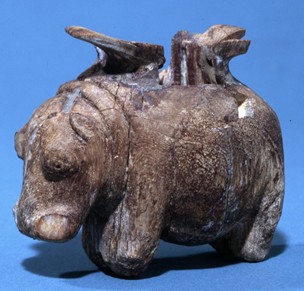 Figure 23 – Ivory vessel in the form of a hippopotamus
from Mostagedda grave 3522 (Source: British Museum, EA63057)
In spite of the two cow burials, one with a horn apparently manipulated in the way described by Chaix et al (2012, p.196-199) at Kerma, there are no signs of the concentration on cattle themes that was characteristic of earlier and later traditions resembling cattle cults from Nubia, Nabta Playa and Libya. In Sudanese cemeteries bucrania were found buried with human interments, for example, at Cemetery R12 at Dongola Reach, at Cemetery KDK1 at Kadruka in the Central Sudan (Chaix et al 2012; Reinold 2001, p.2-10; Salvatori and Usai 2008; Schild and Wendorf 2001, p.16-17; Wengrow 2003, p.27; Wengrow et al 2014). In the Nabta Playa Final Neolithic ceremonial centre, the burial of cattle or parts of cattle feature prominently (Wendorf, Schild and Associates 2001), and cattle were also important in Libyan mid Holocene contexts, where cattle burials have been found (di Lernia 2006). They also occur later in the Predynastic (Wengrow 2006, p.96). However, in the Badarian animal representations are confined to wild animals, and there is no indication of the strong social ties with cattle assumed by Newell (2012, p.42). Three bovine burials occur, but there were also two sheep/goat and one canine burial and together they are a tiny percentage of the total graves in the Badarian area (table 8). The animals that were represented in objects are all wild species, another small sample but included in graves and often associated with ideas of personal presentation. The lack of symbiosis between cattle and humans stands out in terms of regional trends. Perhaps the essence of that is captured in the remark by Schild and Wendorf (2004, p.11) that cattle in the Western Desert had controlled “the lives and beliefs of the desert dwellers – that is, until the collapse of their world around 5350 years ago, when the desert descended upon the Eastern Sahara again, this time to stay.” The failure of cattle to provide sustainable livelihoods in today’s desert zones may have led to a change in priorities in terms of both economic activities and ideologies.
Approximately 600 graves, only six were single animal burials at Mostagedda (possibly), Badari cemetery 5100 and Badari cemetery 5300/5400 (Flores 2003, p.67). Another four accompanied humans in graves, although the identification of species is insecure (Flores 2003, p.81). Their role remains ambiguous. Hendrickx and Depraetere (2004, p.815) suggest that hippo emblems may have had apotropaic properties. Horn counters this (2014, p.50) by arguing that on Naqada I ceramics hippopotami are shown as part of chaos that needs controlling, but the two are not actually contradictory. Successful hunting of hippopotamus could represent successful conquering of threats to security, in which case the animal is very appropriate as a symbol to ward off evil and therefore have a protective value. Whilst absolutely not suggesting a link between the two periods, an example of this situation is on apotropaic wands made of hippopotamus ivory from Dynastic Egypt that depicted the hippopotamus deity Taweret in a protective role (Wilkinson 2003, p.185-186). In Dynastic Egypt many dangerous animals were chosen to represent important deities whose strength was part of their protective value (Andrews 1994, p.36).
A very small number of domesticated animals were buried in single graves. As an overall proportion of the human burials they are a minute number. They were, however, accorded the same treatment as human burials, wrapped in matting, and are discussed further below.
Brunton believed that grave goods indicated belief in an afterlife and he takes the presence of cooking pits and evidence of consumption of food in cemeteries as evidence that Badarian people believed in “the actual presence of the ghost at the grave” (Brunton 1928, p.42) an idea that ties in with a belief in the importance of the ancestors as agents of the living world. As Olupana discusses, a critical aspect of ancestor worship is who is qualified to become and ancestor and this varies throughout Africa, but can include men and women, as well as children with sacred links (Olupana 2014, p.30-31). Woods believes that a shaman class (those who contact the spirit world directly) can be identified by the glazed steatite belts of several thousand beads found in graves in Badari, Mostagedda and Matmar but Olupana warns about the dangers of making strict determinations of this sort of role, as sacred and political authorities may be the same, due to interrelated functions of such roles, with no clear dividing line between secular and religious roles and activities (2014, p.40). Finally, there is no indication that a single deity or multiple deities were worshipped.
If ideology is a core part of livelihood management then Badarian cultural output may be an integrated and explicit attempt to secure social and individual stability and sustainability.
Ritual and rites of passage
As emphasized in the introduction to Chapter 6, focus here is not on repeating the data from excavation reports, but teasing from it aspects that may shed light on how ceremonial acts and beliefs may have been a part of risk management. Ritual is seen as the material expression of actions carried out in support of religion, and rites of passage are defined as the ceremonies and activities surrounding important transitions that occur through the lives of individuals. Burial data is the primary source of information about the way in which the people who lived in the Badarian area organized themselves spiritually and expressed their ideas about death. Evidence of any other rites of passage is unfortunately unavailable.
It is not known whether or not graves were provided with markers, although Stevenson makes the rational suggestion that the lack of overlapping graves in cemeteries indicates that some way of identifying previous interments was present (2009, p.182). Cemeteries were both on virgin ground and in parts of settlement areas, possibly settlements that were no longer in use (Hendrickx and Vermeersch 2000, p.40). Graves were usually roughly oval in form (figure 24). Well-made rectangular graves were mainly confined to Cemetery 1200 at Mostagedda (Brunton 1937, p.43). Orientation seems to have been important, but was not always adhered to. Bodies were contracted, usually lying on their left sides with faces positioned facing west, and heads were often to the south, although some were to the north. Although the majority of burials were individual, at Mostagedda there were sixteen multiple interments (Brunton 1937, p.44-5). The replacement of skulls with pots in Badari grave 5766 and Mostagedda grave 1206B suggests that just as at Gebel Ramlah where teeth were replaced in the jaw after they had fallen out before the grave was re-opened (Irish 2010, p.199) there was a focus on the structural integrity of the body (Brunton, pl.9, 2).
Cloth, or linen, was associated with most parts of the body and with all ages and sexes (Brunton 1937, p.48). Jones et al have argued convincingly that the linen wrapping of the burials in Badarian graves was comparable with later mummification rituals (Jones et al 2014). Nilsson-Stutz has suggested that not only does wrapping protect the body and its integrity, but also transforms it in a way that “sets it apart from the living” (2010, p.39). The idea of protecting or enclosing the body was clearly important, a recognition of the enduring quality of the deceased. Similarly, individuals were sometimes laid with heads resting on their pillows, were almost always covered with matting, which also usually covered any pots in the grave, and were often covered with or laid upon with animal hides, with the hairy side usually next to the body.
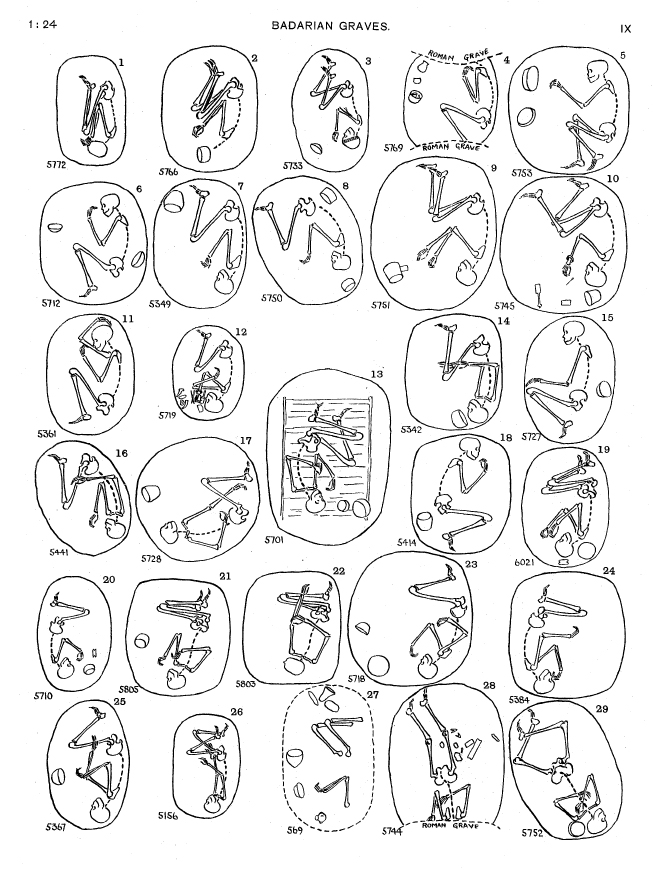 Figure 24 – A selection of burial plans from
Brunton and Caton-Thompson (1928, Plate IX)
The undisturbed graves indicate that there was no marked segregation of sexes. Men, women and children were given the same treatments, arguing that generally neither gender nor age was a limiting factor in the selection of individuals for burial, except for infants, which are generally absent. Although there were burials of “babies,” particularly in Mostagedda (for example at Cemetery 2200 – Brunton 1937, p.40), newborns and very young children were not often found elsewhere, suggesting that at least in some areas they were either subject to poor preservation or that very young infants were perceived differently and therefore handled in a different way. Of the burials that were assigned to gender, 188 (29.7%) were male, 106 (16.7% were female) and 160 (25.3%) were children of either gender (Woods 2016, table 6.1, p.206). In summary there were overall trends in burial preparation and body treatment, but these general preferences were not always adhered to. Although a common set of symbolic and artistic trends are identifiable, no two graves are identical, just as there was little standardization in pottery or stone tool manufacture. There are general trends to be observed, but no definitive set of rules.
Within graves too there was little emphasis on proscribed combinations of items. Although, as Tringham points out (Tringham 1994, p.171) there is a tendency to regard the structures, features and objects from a site as cumulative whole, individual graves in the Badarian were highly differentiated and rather than trying to rank graves, it is perhaps more productive, therefore, to look towards the repertoire from which choices were made and then to ask why certain items from the repertoire were chosen in each case (Edmonds 1995, p.152), where each object and combination of objects may have had individual messages to communicate. Where objects are found at both settlement and cemetery sites, those in graves were generally superior in quality to those found at settlement sites. Stone tools are characteristic of settlement sites but those found in burials are both comparatively unusual and are often of exceptional quality, usually beautifully worked bifaces at the top end of the skill set (Holmes 1989). Some objects are unique to graves, including four differently designed human figurines in four different graves, a small number of animal representations, items of jewellery, and cosmetic preparation items (together with the cosmetics prepared). These are all products of high skill and specific ideas that benefit the individual rather than representing communal activities. The emphasis of grave goods, very much like the burials at the desert cemeteries of Gebel Ramlah (Kobusiewicz et al 2010) is on personal adornment and aesthetically high quality items made on materials, some of which could only be obtained from some distance. High quality pottery and lithics and the use of glazing may represent the possession of or access to skilled crafts manufacture. They may also represent individual, household and clan ownership and identity. Ownership is not an alien concept amongst pastoralists, where, for example, women often own their own household items (Klima 1970). The distribution of owned goods following death may have been subject to any number of social, economic and ideological forces. The presence of individual beads in undisturbed graves has been discussed by Stevenson (2009), and could represent a number of options including gifts from family members from their own items of jewellery or removal of individual beads from an item belonging to the deceased but passed to a different family member. Finally, palettes found in graves, often in association with small pebble grinders, pigments and cosmetic spoons may have been used for more than purely aesthetic purposes; amongst modern groups the application of pigments and the arrangement of hair, as well as the types of clothing worn, may all be tied into rites of passage, stages in life, and displays of authority, kinship and various types of social status and role (Olupona 2014, p.85). The Himba of Namibia and Angola provide a good example of this, using body paint and hair styles extensively as well as jewellery and clothing and colours to communicate specific social messages about age, gender and status (Abati 1998, p.183-6; Lambrecht 1996).
Absentee graves (those without an occupant) may represent a particular form of expression. Burials may have been removed, or graves could have been prepared for bodies that never arrived, or they could have been symbolically created for those who died elsewhere. Whilst their function is unknown, their presence should be noted.
It seems fairly safe to suggest that burial includes a belief in the transition from one status (living) to a new status. This could include any of or a combination of a variety of beliefs, including belief in an afterlife, ancestor reverence and ideas connecting the deceased with land. Among many modern African indigenous religions a common practice is for the surviving members of the family and/or community to ensure that the transition happens without difficulty, via any of a number of rituals and ceremonies, some very simple, some very elaborate, some including aggregation of distant kinship members, and some taking place over very long periods of time (Cliggett 2005; Klima 1970; Olupona 2014, p.31). For groups who believe in ancestors, funeral rites are particularly important in order to transition the dead to their new status and earn the approbation of the soon-to-be ancestor (Olupona 2014, p.63).
Death has a number of aspects to it. It may be for the benefit of both the living and the dead, both in terms of the loss of a working member of society and the personal loss to family and friends and transitioning them to a new place (Parker Pearson 1999, p.124; Nilsson-Stutz 2010). It may also be an important device to bring widely dispersed kinship groups together for social activities (Cliggett 2005). The wishes of both the living and the recently (or not so recently) deceased may have input into the process and the contents of the graves, but it also requires certain choices to be made. These choices could include, for example, which people in the community are to be selected for formal burial, where the deposition of the body is to take place, how to deal with the corpse itself, and how the grave should be constructed and provisioned (Klima 1970; Nilsson-Stutz 2010; Parker Pearson 1999; Stevenson 2009).
That choices were made is clear from a) the number of graves found, which add up to over six hundred graves in 46 cemeteries, the biggest of which is 5300/4500 (110 graves), and b) that no two tombs was alike. Given that the Badarian lasted for over four hundred years it seems safe to conclude that only a portion of society was selected for burial in cemeteries. Others could have been disposed of in a number of invisible ways, such as being left for the desert to dispose of, in the same way that the Barabaig and Maasai, both of East Africa, deliver most of their dead to the hyenas and other carnivores (Klima 1970; Spencer 1988, p.240). Other choices were made in the selection of grave goods, and their positioning in the grave. Most pots, for example, were placed at the head or hands of the deceased (72 instances in the Badari area), occasionally behind the head or back (14 instances) or feet (3 instances) (Brunton 1928). Stevenson suggests that “the body could act as a foundation around which associations and images could be constructed and experienced through the medium of grave goods” (2009, p.177), whilst others have characterized symbolic items as a repertoire of symbols from which people could select (Edmonds 1995; Thomas 2003). The associations and images constructed could related to the deceased, but might also relate to the living or to concepts regarding the provisioning of death that had little to do with the individual’s role in life (e.g. Hodder 1980; Rakita and Buikstra 2005; Tassie 2010; Stevenson 2009).
Much of the above is speculative, but the point is to indicate a) that funerary investment was apparently made in four aspects of religious belief: a defined grave associated with burial conventions; an emphasis on individual identity; items sourced from a distance; and specialized skills. These cemeteries were important to either the living or the dead, and were probably bound up in the seamless pattern of economy, religion and ideology within which people lived and could seek to influence, and b) that different aspects of these four areas do not appear in all graves, but are selected from in different graves.
Flores identifies six incidences of animals buried in individual graves in human cemeteries (Flores 2003, p.67) shown in table 8 below:
| Specie | Location and condition | Number of human burials | Treatment | Reference |
| Bovid | Badari, Grave 5422 in Cemetery 5300/5400. Disturbed and there was no skull remaining
|
93 | Covered in matting. | Brunton 1928, p.12 |
| Badari, Grave 5434 in Cemetery 5300/5400. Undisturbed but the skull was too fragmented to move although jaws were removed. Only one horn-core only, pointing downwards, implying deliberate manipulation.
|
93 | No information provided | Brunton 1928, p.12 | |
| Deir Tasa | ? | Unknown
|
Gabra 1930 | |
| Dog / jackal | Badari, Grave 5113 in Cemetery 5100 at the eastern edge of the cemetery | 54 | Lying with head to south and covered with matting
|
Brunton 1928, p.7 |
| Mostagedda, Area 2200/3500, no grave number allocated (uncertain) | Unspecified | With matting,
lying with head south on its right side.
|
Brunton 1937 | |
| Sheep/goat | Badari, Grave 5423 in Cemetery 5300/5400 (“sheep or goat?”). Very disturbed
|
93 | Matting and traces of cloth | Brunton 1928, p.12 |
| Badari, Grave 5424 in Cemetery 5300/5400 (“similar bones to those in 5423, no head, and spine only remaining in position”
|
93 | No details provided | Brunton 1928, p.12 | |
| Deir Tasa
|
? | Unknown | Gabra 1930 |
Table 8 – Independent animal burials in Badarian cemeteries (Flores 2003, p.67)
Interestingly, the species are varied, comprising dog, sheep/goat and cattle, which leads to questions about their roles, defying such simple explanations as “cattle cults.” They may have been foundation members of new herds, or the last animals to survive droughts. Any explanation is purely speculative, but they don’t seem to form any form of integrated pattern in Badarian cemeteries.
Other animals were found interred in human graves. In Matmar cemetery 3000/3100 the remains of a small gazelle were deposited at the foot of an adult (Brunton 1948), at Mostagedda Cemetery 300/400 one adult male was buried with a small gazelle next to his legs, a male was buried with a small gazelle and a cat at his feet, a young female was buried with a small gazelle at her knees, and there is an uncertain identification of gazelle remains accompanying a child in another grave (Brunton 1937). All the identifications of gazelle are treated by Flores (2003, p.23) as uncertain and may in fact be goat. Either is possible for the Badarian. Feathers were found in a number of graves (Badari grave 5754 and Mostagedda graves 443, 3555, 1005, 444, 448A, 221 and 2913), and most were ostrich feathers, with three possibly night heron. The feathers were all laid on or near the face or near the head and may have been arranged in the hair. According to Flores, only the Badarian has evidence for both independent and animal burials and animal burials with humans. They could also serve as amulets associated with rites of passage, the language of colour, the location from which it was sourced or ideas associated with the material with which it was made (Brunton and Caton-Thompson 1928, p.16).
Some pots were found in cemeteries but not graves, and there are also small depressions containing charcoal, ash and pottery sherds, which were interpreted by Brunton as in use for rituals performed around the graves (Brunton 1928, p.7, 12, 42; Brunton 1937 p.11, 14, 57) and may have acted as an interface between the living and the dead. Some of the pots were filled with ash, bones and broken pottery, and ash traces were found between graves in Cemetery 5200 and elsewhere, which suggested to Brunton that cooking took place in the cemeteries (Brunton 1928, p.9) as part of funerary activities. Animal bones, vegetable matter and charcoal were all found in some of the pots. Tassie (2010) suggests that funerary feasts could reinforce relationships between different parts of society and build new relationships, whilst Cliggett (2005) points to the role of funerary rituals and feats in cementing social relationships and bringing extended and disparate communities together. Rituals in funerary contexts imply an interface being enacted between the living and the dead, perhaps focused on the care of ancestors.
As mentioned above, the cemeteries are all associated with a zone at the edge of the floodplain in the low desert margins. The identification of ritual activity with a sense of place is by no means confined to either settlements or cemeteries, and is marked in desert areas by rock art, for example at the Gilf Kebir and Gebel Uweinat during the Epipalaeolithic and Neolithic (Lenssen-Erz 2012; Zboray 2009), and the ceremonial zone at Nabta Playa in the Ru’at el-Baqar Late Neolithic and Bunat el-Ansam Final Neolithic (Applegate et al 2001; Applegate and Zedeño 2001; Wendorf and Królik 2001; Wendorf and Malville 2001).
The cemeteries as a whole imply households working together to express not merely the continuity of affiliation to a particular place or area but also common ideas and shared values. There is a communality in the use of such space, a sense that although individual expression is important, this is set within a wider conceptual framework. This does not undermine the individuality of the graves and what they communicate, but does emphasize the interplay between individuality and group identity.
Parker-Pearson suggests that the location of the cemetery is just as important as the organization of the graves within it, and the arrangement of the dead (Parker-Pearson 1999, p.141). The cemeteries were all located on dissected spurs of low desert that sat above the floodplain. This might have been to protect the dead from flood waters, but it may also have been because the spurs represented a liminal dividing area between the rich resources of the floodplain and the more challenging environment of the Sahelian conditions beyond. This interpretation is undermined by the presence of settlement areas, but these too may have had some relevance to the cemeteries and their use.
Tradition, social values and social guidelines
In the Badarian the place to look for traditions is in the past of the Badarian itself and the links between its own past and its own present. If Badarian settlement of Middle Egypt is linked to the drying of the Sahara and the relocation of pastoralists to the east bank of the Nile, a fluorescence of new cultural objects could be expected but at the same time herding was an old and highly skilled tradition, associated with ideas and cultural outputs that could be expected to survive within a new landscape of economic and cultural activity (Edwards 2004, p.10).
One suggestion of a survival of both economic items and associated values might be the highly worked bifacial tools so characteristic of some mid Holocene areas like Djara (Kindermann 2002), Farafra (Lucarini 2014a), Dakhleh (McDonald 2013) and the Faiyum (Caton-Thompson and Gardner 1934; Shirai 2010), which may also be indicative of desert-Badarian connections (Riemer and Kinderman 2008, p.616). As mentioned above, previously whilst some of these clearly had practical roles, like denticulated sickle blades, others cost more in terms of time and energy than the otherwise generalized industry, and may have been invested in for ideological as well as functional reasons (Edmonds 1995, p.41-2). The survival of these distinctive items may be of particular significance.
Another survival might be visible in black-topped ceramics known in both desert contexts and in the Sudanese Nile. Although they are of very different construction from desert types there are plenty of instances, for example Abu Gerara (Bubenzer and Riemer 2007; Riemer and Kindermann 2008) where the pottery has a very similar appearance. The black-topped desert tradition, referred to by Riemer and Kindermann 2008, p.619 as “desert black-topped” to distinguish it from Badarian black-topped, is also known from earlier contexts at Dakhleh (Hope 2002) Nabta Playa E-75-8 (Gatto 2006; Nelson 2002; Nelson and Khalifa 2010), the Rayayna desert (Darnell, D. 2000, 2008; Darnell J.C. 2002) and Gebel Ramlah (Kobusciewicz et al 2010) and areas to the south in Nubia Khartoum Neolithic, particularly the Abkan and its outliers in the Laqiya area to the west of Kerma (Friedman 1994; Garcea and Hildebrand 2009; Gatto 2009; Lange and Nordström 2006) and possibly the tumulus of Wadi al-Lawi on the Kom Ombo plain (Gatto 2009, p.128). Nelson and Khalifa describe black-topped and rippled-surfaced ceramics as part of a “ceramic complex” that includes Nabta , Gebel Ramlah, Dakhleh Oasis, Kurkur oasis and the Wadi Atulla, extending south towards Khartoum (2010, p.137). It has already been mentioned that some traditions appear to have been survivors from former livelihood strategies, although were given a Badarian twist. The black-topped and ripple-surfaced pottery familiar from the Abkan and found in the desert areas (see above) is produced with a new level of skill and precision in the Badarian.
Amat (2010) discusses repairs to vessels and suggests that ceramics had a particular value that was not associated with them being in perfect condition (figure 25). Building on Wobst (2000, p.47), the visual cue provided by the ceramics may be an important ideological and symbolic survivor into Badarian thinking and approaches, signifying an intensification of activities for which ceramics were used, and at the same time maintaining traditions that were important in the establishment of the Badarian, a risk management strategy that builds on the strengths of the past whilst negotiating and validating the new livelihood and social schemes functioning in the present.
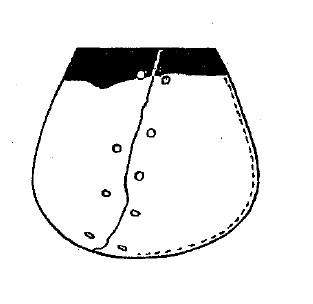 Figure 25 – Mended Black-topped red vessel from Grave 5770
(Source: Brunton and Caton-Thompson 1928, plate XV)
The use of aquatic and desert animal species motifs in the development may similarly be seen as a way of tying Nile and desert lifestyles together, part of a social risk management strategy that requires at least some of the inhabitants to engage with both environments for the livelihood strategy to work, and for exotic materials to be acquired.
It has been suggested that calciform beakers (figure 26) that Brunton described as part of his Tasian assemblage (Brunton 1937) are part of a nomadic way of life that resulted in the transmission and sharing of ideas about rites and ceremonies necessary to life, which took place in both funerary and domestic contexts (Longa 2011, p. 16), a set of traditions that tie in people over long distances via shared social and supernatural beliefs. They are found in the Western Desert at Gebel Ramlah (Kobusiewicz et al 2010), the Rayayna Desert to the southwest (Darnell, D. 2002 and 2008), Gilf Kebir, Jebel Kamil, and Laqeita (Linstadter 2007), the Eastern Desert at Wadi Atulla (Friedman and Hobbs 2002), Lower Nubia and Upper Nubia as far south as Khartoum (Longa 2011).
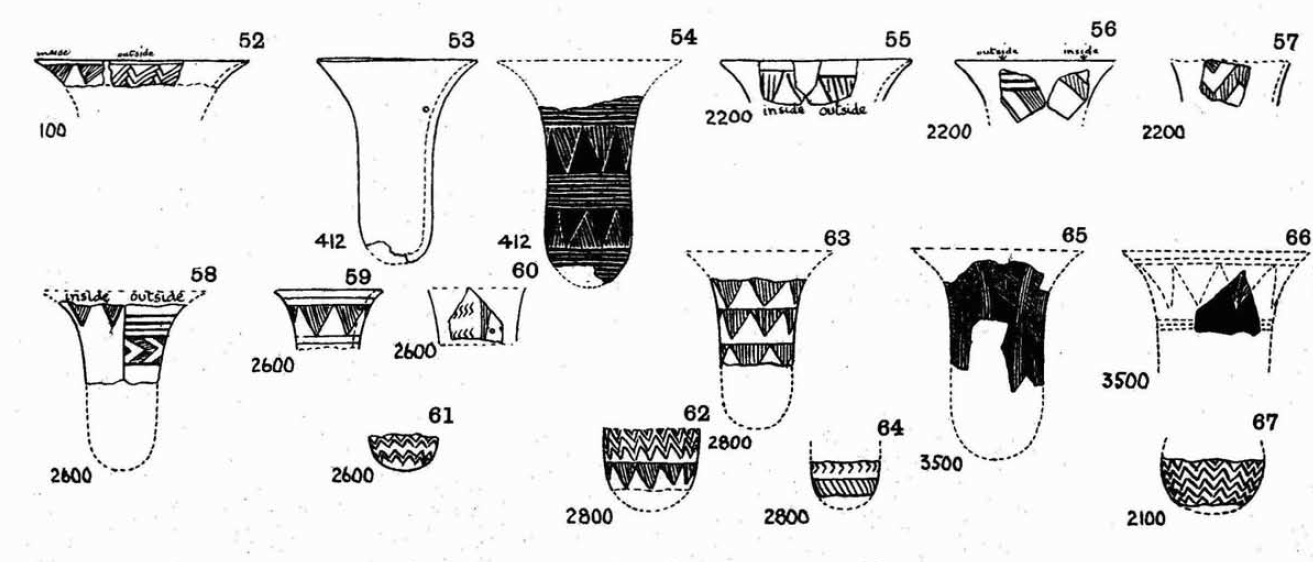 Figure 26 – Calciform pottery from Mostagedda (Source: Brunton 1937, plate XII)
An interest in exotic coloured stones, as well as shell and ivory ornaments are shared between the Gebel Ramlah cemeteries (Kobusiewicz et al 2010) and the Badarian (Brunton 1928, 1937, 1948), both within funerary contexts, but there are substantial difference in grave goods and funerary traditions as well.
Ostrich eggshell vessels, sherds of which are common in desert and oasis contexts during the Neolithic (e.g. McDonald 1991b), are surprising survivors in the Badarian given the prevalence of pottery, and they may have been bound up with traditions inherited from desert occupation, as ostriches are arid-adapted.
A point of discussion amongst authors is the importance of cattle in the ideology of the Badarian, which has been mentioned above. Wengrow (2003, p.27; 2006, p.50-51) points to similarities between the Badarian and central Sudanese Khartoum Neolithic burial traditions, in terms of both the handling of the corpse to the functionality of items deposited within individually differentiated graves. Again, this suggests a strong survival from southern Nile valley traditions, and a continuing relationship with it. Wengrow (2006, p.27) suggests that the similarities between funerary traditions along the Nile valley in the 5th millennium BC indicate a “coherent body of beliefs and practices” that extended from the Khartoum region to central Egypt, reinforcing this statement in 2014 with the statement that “the Neolithic of the Nile valley constitutes a cultural phenomenon of impressive coherence, scale and duration (Wengrow et al 2014, p.102). However, whatever aspects of Sudanese Nile and Egyptian desert traditions that were incorporated into the Badarian, a strong culturally-expressed cattle cult does not appear to be one of its features.
Attention should be drawn to the number of elements from different geographical traditions that seem to have been combined in the Badarian. The ceramics are seen most clearly in the Nubian Nile valley tradition, others were common in the Western Desert, and bifacial lithics are best represented in the oases and northern areas, whilst calciform beakers have a wide desert distribution and stone bead materials indicate connections with the Eastern Desert, and cereals seem to be derived from Lower Egypt, although a recent discovery of Hordeum sp. and Triticum sp. in Cemeteries R12 in the Nubian Middle Neolithic and Ghaba in the Early Neolithic central Sudan may indicate that cereals spread north (Out et al 2016).
It seems probable that the Badarian was established on the basis of a nomadic or transhumant livelihood practice that happened at the very end of the mid Holocene (Friedman and Hobbs 2002), sharing a broad conceptual repertoire and common ideological beliefs even whilst differences also existed. Calciform beakers discussed above, although broadly recognizable across the region in which they are found, vary in form and decoration. Portable objects, like lithics, may be easier to replicate as they exchange hands, and could be expected to show greater similarities if they were being used not merely as functional items but as items shaped by social considerations (MacEachern 1994; Edmonds 1995, p.15-17). Extrapolating, the very form of objects may have been important in retaining these connections across vast areas, without implying ethnic ties.
Given that the Badarian lasted for around 500 years with little detectable variation, which was of course due to the poor chronological resolution, the entire Badarian repertoire could be considered to be something that not only emerges from economic activity but functioned to reinforce social concepts. Pottery, lithics, personal ornamentation and cosmetic kits are all aspects of the way in which the Badarian was expressed culturally, and probably speak to the value of maintaining traditions and ideologies within the Badarian (Edmonds 1995; Lucas 2001, p.94).
If traditions helped to develop societies and define them, the Badarian with its multiple traditions and evolving sense of personal and group identities, seem to have been very well expressed and negotiated, forming part of the strategy of Badarian people for managing everyday risk.
Material expression
In the Badarian there is a remarkable fluorescence of material expression, in the form of ceramics production, jewellery, cosmetic kits, specialized lithics, and an emphasis on colours, shapes and treatments. At the same time, although there are some relatively rich graves, many were provided with only a few items, and some with none at all. In his report on Badari Brunton lists 93 graves out of 298 with nothing more than pottery (31%) and 42 (14%) with no grave goods. The selection criteria for the choices made are unknown, but material expression, or cultural output, can be characterized as the relationship between humans, materials and social discourse (Sørensen 1989, p.185): “since individual human beings in the exercise of their daily lives are both acting upon and being acted on by their material surroundings, this means that objects are dynamically linked to action and decision making.” In this context, instead of looking at items as individual tool or functional classes it is necessary to see them as a collective statement to gain holistic understanding even whilst recognizing that individual graves and ephemeral sites were not employed as mass communication devices. The colour of the beads, too, could have been significant, sitting as it does between blue and green, perhaps symbolic of river, floodplain or concepts of fertility and rebirth. The figurine found in Badari grave 5769, in a pottery vessel with remains of cloth, show various markings. One appears to be a necklace but others are less easy to interpret and may be tattoos or scars.
The Badarian lithic industry was a functional toolkit with no iconological flourishes (sensu Wiessner (1984). It is possible that isochrestic concepts (Sackett 1986), or stylistically comparative, sensu were attached to bifacial tools, particularly if they were a) seen as a linkage with former desert traditions or b) learned from other groups as part of the adoption of new food production methods. As Edmonds highlights (1995,p.18) these more specialized tools may have incorporated both the recreation of ideas through everyday routines as well as the more explicit acknowledgement of ideas about self and society. However, the creation of such tools did not require specialists and therefore did not become “objects of thought” (Edmonds 1995, p.41) that required a separate role within society.
As discussed above, Badarian graves indicate that people went to some trouble to acquire the raw materials to make certain exotic coloured beads and pendants, which themselves required skill to form into the required shapes. Similarly, ivory and shell were used to form very specific shapes and items. Fine pottery, for which the materials were available locally, was given specific surface treatments was and sometimes provided with decorative motifs. A small number of the cosmetic items (combs and spoons, for example), were provided with handles formed into the shapes of wild animals from Sahelian type contexts. However, in spite of a broad cultural identity shared by these items, and there are broadly identifiable types, there are no signs of a requirement for rigid standardization and no sign that certain combinations were required in graves. Wobst (2000, p.47) suggests that uniformity of design is a way of reinforcing ideas and routines that are under threat – an act of social interference to preserve certain conditions. It is interesting that in the Badarian ideas of object manufacture are adhered to, but only broadly. A certain amount of individual choice is indicated, whether dictated by personal preference or by family or group requirements, and some of these can be explored further.
The ceramic range of seven vessel types represents choices, clear decisions about materials chosen (for example, Nile silt rather than wadi marls), temper, shapes, thickness of vessel walls and surface treatments, all of which took place both within a set of long-term traditions and new ideas about ceramic production. Ceramics appear to have been incorporated into the realms of both the living and the dead and to have been of value to both. In ethnographic context hand-made unspecialized pottery was often made at the household level, usually by women (Arnold 1985; Balfet 1965; Newell 1984, p.184; Rice 1987, p.183-91), and may represent the transmission of knowledge that may have travelled within and between households over the generations, conforming to a broad set of ideas from both the distant and recent past (Anderson 2005; Berkes et al 2000). The contrast between the expedient nature of stone tool manufacture and the more skilled and differentiated ceramic production traditions of the Badarian suggests that pottery had a much more important social and cultural role in Badarian household choices, practices, and traditions. Although this may have been associated with the increasing importance of plant foods (Mills 1992) it may equally have been associated with the need to find new ways of managing livelihoods, in both economic and social terms, dating to when the first settlers moved into the Badarian area. Whilst the industry is marked by a lack of specialization and standardization and graves are highly differentiated in terms of choices of grave-goods, it is also culturally very homogenous, indicating that the range of styles were an integral part of social identity and that this, together with other forms of highly distinctive cultural output, integral to social cohesion and internal mechanisms of relationship management and support. Although there are many drivers for social behaviour and its development, production is always an important part of biological and social reproduction (Kössler 2003, p.12). The Badarian ceramic production system seems to be isochrestic, to allow personal preference for shapes and sizes to be combined within the guiding framework of the technical and cultural contexts of the types envisaged by Sackett (1982, p.269-271), Van der Leeuw et al (1991), MacEachern (1994, p.206) and Sillar and Tite (2000, p.9-11). This type of incorporation of knowledge and its localized transmission cannot be divided from other types of knowledge and tradition, but is similar to what Berkes (1999) calls a “knowledge-practice-belief complex,” communicated through generations, and will be discussed throughout the case study.
The presence of pottery in graves, mostly empty of contents, located very specifically in relation to the body, and interred with both genders, seems to suggest that they were part of a way of expressing a specific idea or set of relationships. Although it is not possible to characterize the relationship between the ceramics and their function in graves, there is a structural element to the arrangement of graves that argues for a specific range of ideas being expressed about individuals and their roles, using artefacts as a medium of communication, perhaps tied up in ideas of identity, either of the group or the individual as a valuable component of the group.
If Newell’s two-phase scheme is accepted, round based and open-mouthed types of pottery decline during phase 2 whilst closed-mouthed and flat-based types increase (2012). The departure from earlier ceramic types, more consistent with desert forms, argues that both a different functional role and a different cultural tradition were being established. It is interesting, however, that earlier traditions still had a place. Newell also sees the addition of polished red ware in Phase 2, although this is based on a very small number of samples.
The role of ornaments, jewellery, small items of sculpture and cosmetic pigments and tools are all suggestive of an increasing engagement with personal display, consistent with Nubian cultural output where cemeteries associated with hunting and foraging also demonstrate differentiation between the chosen appearance and treatment of individuals. The importance of the colour turquoise seems to have been embedded in the manufacture or import of glazed steatite for the girdles that contained thousands of beads, which appears to have emulated the fabric turquoise, and may have been intended to emulate it in a more affordable way, a processes suggested elsewhere by Forenhaber (1996, p.6) and representing a considerable investment of its own. If one extends the chaîne opératoire to the human body and people’s treatment of their bodies then one can see a distinct intention in the way in which the human body and is adorned with different options for combinations of material in both temporary display (cosmetics, jewellery, clothing and hair) and more permanent physical alterations of the body (nose, lip and ear plugs and tattoos).
All worked assets, whatever the material of construction, pass through many hands between sourcing of the raw materials to their eventual deposition in archaeological contexts, and are therefore the product of many individual inputs, negotiations and experiences. In multiple ethnographic examples the use and re-use of materials, and the retention of certain objects by specific households or individuals, adds layers of meaning to objects. As previously emphasized, graves may represent far more personal choices than the holistic analysis of the total content of Badarian graves might imply.
Collectively, I would suggest the people of the Badarian were highly competent at taking traditional techniques and ideas and combining them with new innovations to create a cultural statement of identity that, whilst not regulated by uniformity or standardization and not requiring perfection to be acceptable, was clearly important to the management of Badarian identity and its relationships with the world within which it functioned, and that this was as much a part of livelihood management as hunting, herding or foraging. All items were small, potentially portable, and appear to have been consistent over a period of about 600 years with traditions to the south, but without the emphasis on cattle cults visible at, for example, Kerma (Chaix et al 2012), Cemetery R12 at Dongola Reach (Salvatori and Usai 2008), and Cemetery KDK1 at Kadruka (Reinold 2001) where bucrania were found interred with human burials. Graves differed enormously in terms of content, and although there are several common denominators, no two graves is identical, implying that choices were made about what was appropriate for the individuals interred, whether those individuals were regarded as family members, representatives of the community or important ancestral spirits. The sense that the graves represented individuals within a community rather than a formulaic representation of the community comes over very strongly.
Mobility
The perception of the river as a core component, not only of everyday subsistence but of larger north-south connections could have influenced ideas, world-views and cultural outputs, balancing riverine dynamics and territories with terrestrial engagements. As Edgworth puts it, people were moving around “on a landscape which is itself moving” (Edgworth 2014, p.49). The remains of four boat models from two contexts contexts at Badari (Brunton and Caton-Thompson 1928, p.7) and two at Mostagedda (Brunton 1937, p.57) indicate that boats were both used and were of value. Fishing activities are recorded in the form of fish bones and fishing hooks in graves and settlements, and the appearance of the annual flood itself from the south would have caused seasonal disruption, whether seen as positive or negative. The river is therefore likely to have formed part of the mental world view and risk negotiation components of Badarian life, as is the opposite bank of the Nile.
Internal relationships of trust and care
Although the mechanisms so important to modern ethnographic communities are archaeologically invisible, the treatment of the dead indicates a relationship between people, with the dead dependent on the living for their care, and the living co-operating to establish cemeteries and organize the treatment of the dead and the manner of their deposition. Co-operation is implicit in these sites.
Inter-group relationships
Relationships between the Badarian and other areas, presumably mainly to the south where material cultural has considerable similarities, are likely. Not only are the cultural similarities suggestive of ongoing maintenance of a specific tradition that is shared by both the Badarian and Sudanese areas (Gatto 2009; Wengrow 2006), but the maintenance of kinship relationships, the acquisition of marriage partners and the reaffirmation of religious and ideological connections may have made such connections imperative (MacDonald and Hewlett 1999; Whallon 2006). How this suggested relationship would have been maintained is unknown, but could have been supported by a number of mechanisms, including gatherings based on rites of passage, trading expeditions, or the movements of spiritual experts (Cliggett 2005; MacEachern 1994, p.218). Whether this would have been managed by boat or on foot is unknown. Connections to the north are less obvious and were traditionally suggested mainly by the presence of cereals, but following the discovery of domesticated cereals in Nubia and the Sudan (Out et al 2016), there is a possibility that this is not the case.
Ethnicity
It terms of ethnicity it is very difficult to see Badarian groups as anything other than bounded entities, because they are apparently geographically isolated and the lack of chronological resolution makes the entire archaeology appear homogenous, which is probably fundamentally misleading. Even with the proposed social connections with areas to the far south or far north, and trading connections to pastoral tribes to east and west, the overall impression of the Badarian is one of a close relationship with the land on which the cemeteries sit, and an emphasis on personal adornment, both different scales of expressing identity, both geographical and personal. If ethnicity and identity are, as Díaz-Andreu and others have argued, perceptual and negotiable (Díaz-Andreu 1998, 2015; Jenkins 2015; Knapp 2014), then the Badarian emphasis on a very richly materialized funerary tradition implies that people in the Badarian had a strong perception of their own ethnicity and identity and that this would have informed their relationship with other people and with the surrounding environment. At the same time, the similarities with funerary traditions in Nubia and Central Sudan (Edwards 2004, Midant-Reynes 1992, 2000; Tassie 2014; Wengrow 2003, p.27; Wengrow 2006, p.50-51; Wengrow et al 2014) seem to indicate that their ethnicity, both broadly consistent and differing from funerary traditions in those areas, deliberately maintained in the Badarian for around 500 years, was also part of how they perceived themselves, tying them into a broader ethnic grouping than that visible in the Badarian area itself.
Social risk
Some social risk would lie in processes that that reside in the use of knowledge and the negotiation of decisions based on experience and new information. Questions about when to move herds and when and where to move them to might involve elders, experienced herders, offspring and informed outsiders in order to reach a decision (Schareika 2014; Spencer 1998b, p.249). The exchange of information, ranking of the quality of that information and the decision to act upon it and the logistics of so doing may allocate prestige on individuals, but may also undermine their prestige if the information acted upon is bad (Schareika 2014).
The presence of cemeteries argues for a belief system of some description, and this too incorporates an element of risk, as any religion is subject to challenge (A.B. Smith 2005, p.201), particularly under conditions of uncertainty and where migration forces people away from landscapes imbued with ancestral and spiritual roots (Cliggett 2005). The continuation of funerary practices and the development of cultural output in the succeeding Naqada I suggests that social risk was successfully negotiated in this aspect of livelihood management.
Ethnic identity or identification with the land appears to have been important and this was probably at high risk as populations expanded and new ways of doing things developed in the subsequent Naqada I.
3.1.4 Subsistence Assets
Evidence for subsistence activities
The economic situation of the Badarian has been difficult to assess. The best indicators of subsistence activities are plant and animal remains, as well as the tools used to process them. Unfortunately, although settlement-type debris was discovered in the Badarian area, with another outlying site found at Mahgar Dendera (Hendrickx et al 2001) these were very ephemeral deposits of ash and occupation debris, as well as some animal droppings, with remarkably few animal and plant remains surviving. Even Areas 5500 and 6000, which Brunton sometimes ambitiously referred to as “towns” (e.g. 1937, p.5) produced very little useful subsistence data. This combination of poor data and the possibility that important data has been lost has meant that subsistence strategies remain unresolved.
Food Production
Wheat and barley were found but although Brunton was fairly confident that cereals were employed (Brunton 1928, p.41) the evidence is equivocal. This belief was reinforced by the discovery of grinding stones and querns in considerable numbers, which he considered to be “good evidence that grain was grown and ground for bread” (Brunton 1937, p.31) but the data is fragmentary in the extreme, grinders could have been used for processing wild plant materials, and few of the plant remains from Badarian sites have been systematically studied by modern analysts (Wengrow 2006, p.47). Wheat (Triticum diccocum) and barley (Hordeum vulgare) were both identified at Badarian sites, an identification confirmed by Cappers and Hamdy (2007) but there were very few examples, as already noted by Wetterstrom (1993, p.216) and later Newell (2012) and Wengrow et al (2014), and some were extracted from pits that were unaccompanied by dateable material (Wetterstrom 1993, p.216). Wengrow et al (2014) say that “only two out of sixty four specimens of large-grained grasses originally attributed by Brunton to the Badarian period appear both a) to be clearly identifiable as domesticated cereals and b) to derive from secure archaeological contexts.” Both are from Mostagedda: the emmer from Grave 459 and the barley husks in the abdomen of a burial in Grave 467 (Brunton 1937, p.58). However, the excavations of Holmes and Friedman identified remains of both emmer and barley in the Badarian levels (1994, p.133-134).
If Badarian people were intensive cultivators of the floodplain during the inundation, one would expect to find many more examples of the plants cultivated in settlements in the form of storage, cooking residues and rubbish, if indeed the remaining occupation remains represent primary settlement data. Even if plant remains had been consumed by rodents and insects, it might be expected that more examples would have been deposited in graves as offerings, equipment for the afterlife or as an indication of the occupation of the deceased and that a greater number of these would have survived than Brunton found. In addition, a toolkit designed specifically for the tasks of cultivation would be expected. Sickle blades were located within the graves, and at settlement sites, although no sickle blades were found unambiguously with the Badarian levels at Hemamiyeh, with one broken example (Petrie Museum UC10525) coming from an uncertain context in the Holmes and Friedman excavations (Holmes and Friedman 1994, p.131).
The absence of data for farming could be explained in a number of ways: 1) The principal occupation evidence was on the floodplain and is now lost, with only camps occupied during flood-seasons or for herding surviving at the edge of the floodplain (Hendrickx and Vermeersch 2000, p.43); 2) Grain was imported from the north; 3) Cultivation was low-level horticulture rather than intensive agriculture, practiced either on the floodplain or in wadis or 4) Settlement and agriculture took place on the west bank of the Nile, with funerary activity concentrated on the east, although as no work has taken place on the west bank opposite the Badarian, this cannot be confirmed or denied.
Brunton considered the Badarian people to be “farming settlements of small size, generally close to what are now dry wadys. Although they were not nomads in the strict sense of the word, they do not seem usually to have occupied any one site for a long period” (Brunton 1929, p.481; also Brunton 1937, p.38, 59, 68). Trigger (1983) proposed an economy based on pastoralism or a seasonal occupation of the floodplain combined with hunting and fishing. Hoffman wrote that the Badarian could be seen as “a developed farming and herding society” (1979, p.143). Both Hoffman (1984) and Wilkinson (2003, p.184) considered the Badarian livelihood to be semi-sedentary and Hassan (1988, p.154) described a shifting settlement pattern. Butzer’s view was that low pressure on land meant that only a small part of the flood plain was planted with wheat, barley and flax and saw settlements on levées and along the desert edge, with forays into the desert for hunting and herding expeditions (Butzer 1976, p.14, 84-86).
In favour of the cultivation of cereals is an indirect piece of evidence, which is the presence of flax. Flax was a Near Eastern cultivar, and was imported into the Faiyum along with emmer wheat, barley, sheep and goat. There is no dispute that flax was present in the Badarian, and it is likely that cereals were also made available at that time, and may have been experimented with.
The subject of cultivation is central to discussions about Badarian subsistence strategies. Going through Brunton’s excavation reports (Brunton 1928, 1937, 1948) the following sample data was produced for the Badarian. I have excluded the Tasian examples because of the sparsity and uncertain nature of the data, which is described by Brunton as follows: “Various small stores of it [grain] occurred in several of the villages, and two of these are Tasian, to judge from the objects discovered in them. In 2900 a small store of grain lay in a hole, and in group 2810 one of the pots contained traces of it” (Brunton 1937, p.31). It is not even clear a) if these grains were safe contexts or b) if they were included in the samples that Brunton’s botanist Sir Rowland Biffen determined to be emmer and barley. Brunton’s generic description of “grain” in Mostagedda was refined by Sir Rowland Biffen who stated that “The grain samples consist either of wheat or of barley,” Triticum dicoccum (emmer) and Hordeum vulgare (four-row barley) (Brunton 1937, p.59). However, it is unclear how big a sample size Biffen received for analysis. In the following table (table 9), Brunton’s findings of grain and bread-like remains are listed, together with Brunton’s own assessment of how disturbed graves were: [N]ot distburbed, [P]artly disturbed and [Q]uite disturbed (Brunton 1928, p.2).
| Sample evidence for cereals in the Badarian | |||
| Data | Context ID | Context Type | Reference |
| Grain “Triticum species, possibly T. dicoccum
(Schub.), but material too fragmentary.” |
Mostagedda Grave 459 | In a pot covered with sherds, grave, not disturbed | Brunton 1937, p.58 |
| Barley husks | Mostagedda Grave 467 | In the abdomen of a male burial, not disturbed | Brunton 1937, p.58 |
| Grain | Mostagedda Grave 1215 | Grain scattered in a disturbed grave, quite disturbed | Brunton 1937, p. 58 |
| Grain | Mostagedda Grave 1247 | Loose in the grave, not disturbed | Brunton 1937, p. 58 |
| Grain | Mostagedda Grave 2224 | Contained in a leather bag, not disturbed | Brunton 1937, p. 58 |
| “Some form of bread” | Mostagedda Grave 3506 | On a basket platter, partly disturbed | Brunton 1937, p. 58 |
| Grain husks | Badari Area 5600 | In 2 RB pots on the old surface | Brunton 1928, p.13 |
| Grain husks | Badari Grave 5773 | Described as “laying around” | Brunton 1928, p.14-17 |
| Grain traces | Mostagedda Area 2000/3500 | 40cm deep | Brunton 1937, p.15 |
| Grain | Mostagedda, Area 2000/3500 | 70cm deep pit | Brunton 1937, p.15 |
| Grain “in some quantity” | Mostagedda Area 2000/3500 | 90cm deep circular hole with B, BR and SB sherds | Brunton 1937, p.15 |
| A deposit of grain | Mostagedda Area 2000/3500 | “85 cms. down” | Brunton 1937, p.15 |
| Grain | Mostagedda Area 2000/3500 | “at a depth of 70cms” | Brunton 1937, p.15 |
| Grain | Mostagedda Area 2200/3500, group 2214 | In one of two upright cooking pots with ash, charcoal, exreta, BB and RB sherds and six flakes | Brunton 1937, p.15 |
| Grain | Mostagedda Area 2200/3500, group 2218 | A rim of a large plate lying on a thin layer of grain and organic matter | Brunton 1937, p.15 |
| Traces of grain | Mostagedda Area 1000 | “Very decayed and blackened cooking pot with traces of grain” | Brunton 1937, p.25 |
| Bread-like remains | Badari Grave 5709 | Not disturbed | Brunton 1928, p.14-17 |
| Badari Grave 5716 | Not disturbed | Brunton 1928, p.14-17 | |
| Badari Grave 5738 | Not disturbed | Brunton 1928, p.14-17 | |
| Badari Grave 5770 | Not disturbed | Brunton 1928, p.14-17 | |
| “What appeared to be bread” | Matmar Grave 2517 | Not disturbed | Brunton 1948, p.11 |
| Grain, “a mixture of wheat and barley and does not appear to be of any great age” | Matmar Grave 2522 | In a pot | Brunton 1948, p.11 |
| Matmar Grave 3083 | Lying loose. Not disturbed | Brunton 1948, p.11 | |
| “A small cake of organic matter which has not been identified” | Matmar Grave 2021 | Quite disturbed | Brunton 1948, p.11 |
| Spikelets of Emmer | Mostagedda Hole 2900 | Brunton 1937, p.33 | |
| Barley grains | Mostagedda Area 2800 | Pot a | Brunton 1937, p.33 |
| Remains of emmer | Mostagedda Area 2800 | Pot a | Brunton 1937, p.33 |
| Pockets of grain in shallow holes in village sites | Mostagedda Area 3200 | Brunton 1937, p.58 | |
| Mostagedda Area 2000 | Brunton 1937, p.58 | ||
| Mostagedda Area 2234 | Brunton 1937, p.58 | ||
| Mostagedda Area 3500 | Brunton 1937, p.58 | ||
Table 9 – Evidence cited in Brunton’s publicatons fo r the presence of grain in the Badarian
Drivers for low-level cultivation in semi-arid environments are not difficult to find, assuming that the raw materials, skills and knowledge had been acquired, and include the precarious character of the changing dryland conditions, possible competition for grazing land, dryland droughts, and population expansion. Edwards and O’Connell point out that collecting wild grass and tree seeds would have required the allocation of 2-7 hours a day for collecting and processing alone, without factoring in the costs of travel and search, just to satisfy their own individual daily requirements. It is an unattractive method of food acquisition, independent of abundance (Edwards and O’Connell 1995), and securing a more predictable and reliable supply could well have been attractive given that the knowledge and raw materials were available. However, as Chapter 5 and Appendix D demonstrate, any innovation, whether it derives internally or from outside the group, is often regarded as risk-laden. If the Badarian populations did adopt cereal agriculture, presumably introduced to them from either the far north (Caton-Thompson and Gardner 1934) or the far south (Out et al 2016), there are a number of mechanisms that could account for it, none of which can be determined by the available evidence. Sharing of land, trade or exchange, social mechanisms (including exogamous marriage – see for example Brown 2014, Klima 1970) and migration of small numbers of people could all account for cereal appearing during the Badarian on a purchase or low-level food production basis. Knowledge of how to plant, water, harvest and process the raw materials would also have had to be transferred and the best source of this knowledge would be a person or people living within the community itself. It is clear that any benefits, in terms of improving predictability of food intake or adding an extra dimension to the diet by taking advantage of the otherwise disruptive Nile floods, would have to be compatible with existing food acquisition and production regimes, and could be expected to be one part of a diversified system of subsistence.
Nile floods allowed only one harvest of each crop annually (Manning 2007, p. 30). Harlan (1989, p.70) observes that in small scale operations wheat and barley may be planted under palms and fig trees, rather than in more exposed areas. Caton Thompson and Whittle (1975, p.90) suggested that the wadis that carved their way through screes at the base of the flood plan in the form of small deltas may have been used during the Badarian for crop growing, again. These perhaps form a plausible model for early steps in establishing cultivation within the economy.
In spite of references in a least two texts to lentils and tubers being found (Hendrickx and Vermeersch 2000, p.42; Tassie 2014, p.250) these actually post-dated the Badarian and there are no signs of legumes, pulses or nitrogen-fixing species being cultivated species that were known from, for example, Omarian and Maadian sites in the North (Barakat 1990). The only nitrogen-fixing plant noted is vetch (vicia) which Holmes and Friedman identified in their excavations and interpreted as weeds growing amongst the cereals (1994, p.133-4).
There are only indications of two cereal crops, emmer wheat, which would have required well saturated ground, and barley, which was more drought and saline tolerant and could have been planted on drier ground. Flax, which could be employed for oil and the fabrication of linen, would also have required damp soil (Manning 2007, p.300). The lack of crop variety and the minimal remains at any of the Badarian sites together argue that the Badarian was not entirely dependent on cultivation for its livelihood. In the absence of legumes and pulses wild plant species would have been required to supplement the diet. A similar profile of low frequency of sickle blades at the Negev Highland sites of Beer Resisim and Ein Ziq suggested to the excavators that grains were imported rather than cultivated (Vardi et al 2007, p.113). Intensive cultivation is not necessary to explain any cereal remains in the Badarian. In the Faiyum Neolithic, where finds of emmer wheat and barley are well attested, and where cattle, ovicaprines and pigs were also present, fishing and hunting were still the dominant subsistence activities (Caton-Thompson and Gardner 1934; Shirai 2010, Holdaway and Wendrich 2017). The opportunity to supplement the diet with cereals as a secondary or even tertiary activity seems perfectly viable.
Many basket-lined pits were found, inevitably drawing comparisons with those found containing domesticated cereals in the earlier Faiyum Neolithic. However, although there are superficial similarities, many were very different in character from much deeper and wider, and now filled mainly with sand and occasional sherds with no grain surviving. Size, shape and build were non-standardized. None of them are associated unambiguously with grains, most filled with sand, and on occasion charcoal, ashes, chaff and animal bone fragments (Brunton 1937, p.68-69; Brunton 1948, p.6). At Area 2200/3500 deposits of ash were surrounded by a roughly circular series of the pits and pottery lay within this ring (Brunton 1937, p.15). Another form of storage takes the form of large pottery vessels, partly sunk into the ground, but these too lack contents so their function remains uncertain. Clarke, accepting Brunton’s interpretation that the pits and vessels were storage devices, drew parallels between grain pits surrounding ash and pottery with modern Nilotic cattle-herding Jie in Uganda, the Songhai in Niger and other groups “where a central stock pen is surrounded by the grain stores and temporary or permanent dwellings of the inhabitants” (Clarke 1971, p.36, 99). Although the Mostagedda examples were disturbed by much later Old Kingdom sites, Brunton was confident that they dated to the Badarian because they were always associated with Badarian village remains and there were none associated with later periods. Wetterstrom (1993), however, suggests that the lack of dateable evidence associated with them means that some of them could have been intrusive.
An interesting addition to the argument comes from Stock et al (2011), with an analysis of skeletal remains that suggest that a reduction of “habitual loading” of both the upper and lower limbs in males is consistent with a new type of livelihood, which they suggest is the result of transition to agriculture in the Badarian region (Stock et al 2011, p.359). Women skeletal remains, on the other hand, suggest no significant changes, which would suggest that whatever labour they were engaged in (for example milking livestock and rearing young animals, it was not sufficient to alter them physiologically. Further analysis of skeletal remains might cast some light on exactly what sort of activities were carried out during the Badarian.
The debate will probably continue for many years without conclusion due to the lack of new data in the face of the ongoing destruction of the Badarian area (Holmes 1992; Holmes and Friedman 1989), the lack of modern excavations and the and the absence of analysis of any remaining plant remains from the Brunton and Caton-Thompson excavations, but at the moment it seems fairly certain that if there was cultivation on the floodplain, it was not intensive. Any cultivation would have been low-level and more horticultural than agricultural.
The suggestion that Badarian residents kept domesticated animals is based on another small sample of cattle and sheep/goat remains from Brunton’s excavations, as well as animal dung in grave 5206, layers of dung at Area E, Hemamiyeh (Brunton and Caton-Thompson 1928, p.9, 106); This is supplemented by the data from the specialized site of Mahgar Dendera 2, where domesticated sheep made up 90% of the sample (Hendrickx et al 2001), as well as a 30cm layer of goat dung in Area 1800 (Brunton 1937, p21) and sheep/goat dung in Test Pit 1, level 2 at Hemamiyeh (Holmes and Friedman 1994, p.118). Dog remains have also been found (1928, p.7, p.41). As well as potentially useful for assisting with hunting and herding, as suggested by some later rock art (e.g. Site RME-26/DR2 in the Eastern Desert’s Wadi Abu Markab el-Nes, Rohl 2000, p.102) it cannot be ignored that dog may have formed part of the diet. The lack of data for domesticated animals does not rule out that they may have been, and probably were an important component of Badarian livelihood management. For one thing, it seems unlikely that pastoral groups abandoning the Western Desert due to increasing aridification would not have brought their herds with them. The pottery traditions that survive in the Badarian from earlier periods, most conspicuously black-topped and ripple-surfaced wares, were all manufactured by Western Desert herders (e.g. Nelson 2002), implying it was part of a broad cultural association between pastoral livelihood and cultural output. At the same time, Linseele et al (2010) observed at early herding sites in the Eastern Desert that whilst bone was rare, dung was found in vast quantities, indicating that “[T]he importance and size of the herds of domestics must thus have been considerably larger than would be suspected from the scant animal bone remains found” (Linseele et al 2010, p.826) The lack of skeletal remains in Badarian contexts may therefore be due to poor preservation or specific butchering techniques and zones, or simply the use of herds for milk and blood rather than meat, rather than due to an absence of herds. Table 10 shows the data available for the domesticated species present in the Badarian:
| Evidence for domesticated animal species in the Badarian | |||
| Data | Context ID | Context Type | Reference |
| Bones of an immature animal, possibly a very young calf | Mostagedda Grave 451 | One bone in a pot | Brunton 1937, p.30 |
| Mostagedda Grave 3002 | Ribs were laid on top of a sherd | Brunton 1937, p.30-31 | |
| Mostagedda Grave 451 | Ribs were laid on top of pot | Brunton 1937, p.30-31 | |
| Mostagedda Grave 2838 | Five ribs and a blade bone beside pot | Brunton 1937, p.30 | |
| Upper jaw of an ox | Mostagedda Area 2700 | Cooking-pot, standing in a deposit of charcoal
with the upper jaw of an ox and three fish-bones all close together. |
Brunton 1937, p.11 |
| Sheep or goat burial | Badari Grave 5424 | Skull was missing. | Brunton 1928, p.12 |
| Sheep or goat burial | Badari Grave 5423 | Matting and traces of cloth accompanied the burial | Brunton 1928, p.12 |
| Sheep’s head ? | Mostagedda Area 2000/3500 | Head and part of body | Brunton 1937, p.15 |
| Bovid | Badari Grave 5422 | Remains of large animal with matting. Disturbed, and skull was missing | Brunton 1928, p.12 |
| Bovid | Badari Grave | Skull was highly fragmented but jaws were recovered and horn survived | Brunton 1928, p.12 and pl.X, 6. |
| Ox bone | Mostagedda 2700 | Cooking pot, standing in a deposit of charcoal with the upper jaw of an ox and three fish bones all close together | Brunton 1937, p.11 |
| Ox bone | Mostagedda Area 2000/3500 | Two pairs of horns at 40cm | Brunton 1937, p.15 |
| Ox bone | Mostagedda Area 3400 | Cooking pot with an ox rib inside | Brunton 1937, p.14 |
| Goatskin | Mostagedda Grave 200 | Burial of a male | Brunton 1937, p.33 |
| Mostagedda Grave 592 | Arranged along the back of a male | Brunton 1937, p.37 | |
| Mostagedda Grave 2004 | Very disturbed grave: “There were many layers of matting, and goatskins folded and seemingly stitched.” | Brunton 1937, p.39 | |
| Bovid tooth fragment | Hemamiyeh | Hemamiyeh TP 1 level 8 | Holmes and Friedman 1994 |
| ?Dog | Mostagedda unregistered grave in Cemetery 3500 | Skeleton covered with matting, in its own grave, on its right side, with head to the south | Brunton 1937, p.41 |
| Jackal or dog | Badari Grave 5113 | Lying head to the south and covered with matting | Brunton 1928, p.7 |
| A tooth fragment may have been sheep, goat or gazelle. | Hemamiyeh | TP1 | Holmes and Friedman 1994 |
| Sheep | Mahgar Dendera 2 | Seasonal settlement site | Hendrickx et al 2001 |
Table 10 – Evidence for domesticated animal species in the Badarian
It would be useful to compare the industry directly with tool technologies where agriculture is confirmed, for example at the Faiyum, Merimde and El Omari, to attempt to determine whether the toolkits are similar or substantially different from Badarian assemblages.
Hunting and foraging
Wild animals are attested to in graves, both in the form of animal bones and in a small number of representations on objects. Hippopotamus and gazelle are the only animals represented on portable art, in the form of beads, pendants and handle ends of small spoons.
The presence of gazelle and antelope are unconfirmed by modern analysis, although Brunton mentions both at various points in his publications. Brunton’s identifications of gazelle were tentative and it is possible that it was goat as the two are easy to confuse and identifications that have not been reassessed are in question due to the need to reassign species from earlier excavations after modern examination Flores (2003, p.23). However, there is plenty of evidence for gazelle in the game content at Mahgar Dendera 2 (Linseele and Van Neer 2009). As noted below, gazelle were hunted by Ma’aza Bedouin until only recently (Hobbs 1989). Hunting was a distinctly plausible activity for herders on the edge of the desert (Butzer 1976, p.86; Wetterstrom 1993, p.172; Wilkinson 2003) and it seems unlikely that desert species were not exploited, and may well have formed an essential part of the livelihood strategy. Judging by the species available in later Predynastic and even Pharaonic Egypt (Linseele et al 2009), there were many more options for game hunting than is represented by the bones surviving in Badarian sites. It is likely that the Nile valley was fairly resource rich at this time.
As detailed above, hippopotamus ivory was found in a number of contexts. Hippo tusks were found in graves, a cache of six hippo tusks was found at Matmar Area 2000, hippo ivory was used to make a number of objects, and in the small sample of wild animal depictions hippopotamus was depicted in two cases. The hunting of hippopotamus, one of the most dangerous animals in Africa, would have been a high-risk activity and the returns must have been worth the risk. As well as the ivory, the bone might have been employed, and Ikram points out that their “flesh is quite edible due to their size plentiful in quantity, making them a worthwhile animal to kill: the meat of one hippopotamus is equivalent to the meat of sixty sheep” (Ikram 1995 p.22). In the Faiyum they were found with the bones of hippopotamus and elephant (Caton-Thompson and Gardner 1934, p.72 and 84) arguing that these items were used for hunting of larger animals, and there are plenty of these found in Badarian graves. Edmonds points out that the bigger the arrowhead the larger the bleeding wound, which helps to bring down large prey (1995, p.102). Tables 11, 12, 13 and 14 show wild animal, unidentified animal, bird and fish remains present in the Badarian.
| Wild animal remains | |||
| Data | Context ID | Context Type | Reference |
| ?Gazelle skin | Mostagedda Grave 207 | Wrapping of young male | Brunton 1937, p.34 |
| Mostagedda Grave 2208 | Covering an adult male | Brunton 1937, p.44 | |
| Gazelle bones | Mostagedda Grave 330 | Disturbed male burial | Brunton 1937, p.34 |
| “Perhaps a cat” | Mostagedda Grave 330 | Disturbed male burial | Brunton 1937, p.34 |
| ?Gazelle | Mostagedda Grave 494 | Undisturbed young female burial | Brunton 1937, p.36 |
| Leg bones of small ruminant (according to Brunton, possibly gazelle) | Matmar Grave 2007 | In plundered grave | Brunton 1948, p.11 |
| Bones of a small ruminant (according to Brunton, possibly gazelle) | Matmar Cemetery 3100 | Robbed grave at foot end | Brunton 1948, p.11 |
Table 11 – Wild animal species represented in the Badarian
| Unidentified animal remains | |||
| Data | Context ID | Context Type | Reference |
| Vertebrae and toe bones | Mostagedda grave 592 | Underneath a pot, | Brunton 1937, p.57 |
| Ribs | Mostagedda grave 3202 | Female burial. | Brunton 1937, p.57 |
| Very small ribs | Mostagedda grave 3531 | Child burial. Close to pot. | Brunton 1937, p.57 |
| Unspecified | Mostagedda Group 1234 | In conjunction with cooking pots | Brunton 1937, p.57 |
| Mostagedda Group 2715 | In conjunction with cooking pots | Brunton 1937, p.57 | |
| Scraps of animal bones | Mostagedda settlement deposits | “here and there in the village deposits, but only rarely” | Brunton 1937, p.31 |
| Mostagedda Group 2705 | With a celt | Brunton 1937, p.31 | |
| Mostagedda Group 2911 | With a pot | Brunton 1937, p.31 | |
| Numerous graves at all sites with animal skins but undetermined species | |||
Table 12 – Unidentified animal remains
Bird bones, feathers and remains of ostrich eggshell are found in graves. Bones were used to make small implements like pins, awls and needles, and ostrich eggshell was probably used to make water retaining vessels. There is not a sufficiently large sample to indicate a preference and the lack of aquatic species is surprising. Today the Eastern Desert Ma’aza Bedouin make use of a variety of desert species that are either present year-round or are migrating winter visitors (Hobbs 1989)
| Evidence for bird species in the Badarian
|
|||
| Data | Context ID | Context Type | Reference |
| Feathers, possibly of Night Heron (Nycticorax) | Mostagedda Grave 1218 | Few details available | Brunton 1937, p.57 |
| Mostagedda Grave 2211 | Child burial with feather across right (upper) side of head | Brunton 1937, p.40, 57 | |
| Area 1600 iii | Vessel 36 cms. high, standing 40 cms. Down with a hole in the base stopped up with mud. It contained BR sherds, a flint flake, pI. xxviii, 141, animal and fish-bones, charcoal, straw, and a feather | Brunton 1937, p.20, p.57 | |
| Ostrich feather | Badari 5769 | Four feather tips near head but not on it | Brunton 1928 |
| Mostagedda Grave 448A | Across the mouth of an infant (Possibly originally placed in hair) | Brunton 1937, p.29 | |
| Mostagedda Grave 2913 | At the back of the head of an adolescent | Brunton 1937, p.29 | |
| Badari grave 5754 | Infant, with pot before face. Close by were three or four tips of ostrich feathers flattened out and arranged fan-wise. | Brunton 1928, p.16 | |
| Ostrich shell | Mostagedda Area 1600 | Scraps in the village rubbish | Brunton 1937, p.57 |
| Mostagedda Grave 470 | Scraps in plundered grave | Brunton 1937, p.57 | |
| Mostagedda Grave 2853 | Untouched female burial | Brunton 1937, p.30 | |
| Spoonbill | Mostagedda Grave 496B | Female grave | Brunton 1937, p.30 |
| Undetermined feathers | Mostagedda Grave 443 | Traces of feather above head (woman?) | Brunton 1937, p.35 |
| Mostagedda Grave 444 | Feather across ribs and elbows of male | Brunton 1937, p.35 | |
| Mostagedda Grave 1005 | On the head of an adult male | Brunton 1937, p.37 | |
| Mostagedda Grave 3555 | Several near knees of ?woman | Brunton 1937, p.43 | |
| Tools described as made of animal bones | Numerous at Mostagedda, Matmar and Badari | ||
Table 13 – Evidence for bird remains In the Badarian
Fish bones (see table below) and hooks for fishing made from shell and ivory were found in Badari graves 5164, 5213 and 5738, Mostagedda graves 474A (x4), Villages 400B and 500C (x2) and Matmar graves 2516 (x2) and 2508 (x2). The fish remains are dominated by Lates, which is a deep water fish. Holmes and Friedman also found Synodontis remains (Holmes and Friedman 1994, p.133).
| Evidence for aquatic resources in the Badarian | ||
| Data | Context ID | Reference |
| Upside-down catfish (Synodontis) | Hemamiyeh TP2 | Holmes and Friedman 1994 |
| Nile perch (Lates) | Matmar Area 3200
Badari Graves 5104, 5105, 5112 Badari Areas 5100, 5200, 5400 |
Brunton 1948, p.7
Brunton 1928, p.33 Brunton 1928, p.33
Holmes and Friedman 1994 |
| Undefined fish bones | Mostagedda settlements with a concentration in Group 2664 | Brunton 1937, p.31 |
| Turtle plates | Mostagedda Area 500B | Brunton 1937, p.57 |
| Mostagedda Grave 2211 | Brunton 1937, p.57 | |
| Mostagedda Grave 487 | ||
| Crocodile | Badari Grave 5115 | Brunton 1928, p.34 |
| Hippopotamus ivory objects and tusks | Mostagedda Grave 408 | Brunton 1937, p.5 |
| Mostagedda Grave 2829 | Brunton 1937, p.6 | |
| Mostagedda Grave 2840 | Brunton 1937, p.6 | |
| Mostagedda Grave 2913 | Brunton 1937, p.7 | |
| Mostagedda Area 500, 600, 700, 1500 | Brunton 1937, p.24 | |
| Mostagedda Grave 438 | Brunton 1937, p.34 | |
| Mostagedda Grave 595 | Brunton 1937, p.37 | |
| Mostagedda Grave 1226 | Brunton 1937, p.38 | |
| Mostagedda Grave 1254 | Brunton 1937, p.39 | |
| Mostagedda Grave 2211 | Brunton 1937, p.40 | |
| Mostagedda Grave 2253 | Brunton 1937, p.40 | |
| Mostagedda Grave 3501 | Brunton 1937, p.42 | |
| Mostagedda Grave 3522 | Brunton 1937, p.42 | |
| Mostagedda Grave 3537 | Brunton 1937, p.42 | |
Table 14 – Evidence for aquatic remains at Badarian sites
Seashells include Ancillaria, Clanculus, Columbella, Conus, Cypraea, Natica, Nerita, Oliva, ?Polinices, Purpura, Spatha, Strombus, ?Terebra, Triton, and Trochus. Freshwater species are oyster and Mutela. It is not known whether the Red Sea molluscs formed part of the diet, as most of them are incorporated into jewellery and feature in graves, but it seems likely that Nile species did.
Apart from the discovery of vetch (Vicia) by Holmes and Friedman (1994), which they interpreted as a weed that would grow with wheat and barley, there is no evidence for nitrogen-fixing vegetation, so either the nitrogen fixing plants did not survive into the archaeological record, or there was sufficient nitrogen contained within the silts deposited onto the floodplain by the inundation.
Mills (1992, p.4) suggests that an emphasis on ceramics indicates the intensification on plant usage, and the ubiquitous presence of grinding stones also suggest that plant processing was an important activity.
Practice of subsistence activities
Given the paucity of physical evidence for faunal components in the Badarian economy, it has been necessary to use circumstantial evidence about the archaeology and empirical evidence about the environment to suggest how the Badarian population could have managed domesticated herds. Sheep and goat have different requirements and different behavioural characteristics so may be handled differently from one another. However, both are versatile domesticates and combine well, sheep preferring to graze and goats preferring to browse, each taking advantage of different types of marginal grasslands (Yokell 2004). Sheep, which are recorded at Mahgar Dendera 2 (Hendrickx et al 2001) are less drought tolerant grazers, are not as flexible as goats in terms of browsing and prefer to graze, but are still more adaptable than cattle and have good quality milk (Yokell 2004). Sheep require higher quality forage. It seems unlikely that sheep would have been difficult to feed in the immediate environment or to run risks of over-grazing, given the richness of floodplain resources over which they could be moved on a north-south axis, together with the lack of indications for intensive cultivation or settlement, but large herds might need to be moved further afield during the flood season. Young male sheep were singled out for slaughter in the flood season at Mahgar Dendera 2 (Hendrickx et al 2001). Whilst small herds of goats are important scavengers of waste in villages, are willing to browse on shrubs and crop residue and are fairly drought tolerant, they can be damaging to crops, and need to be managed when crops are being grown (Moss 1992, p.80; Yokell 2004) and would probably have been herded on the low desert and in wadis during a growing seasons. It seems likely, therefore, that stocking rates were determined less by variability in environmental conditions than by the predictability of the flood, knowledge of species preferences, the crop growing season and the availability of knowledge about multiple local environments and lack of competition for floodplain resources.
Cattle may require more complex management due to higher water requirements the need for good quality grazing material. Today sheep and goats are often grazed in similar locations, sometimes sharing fields. Cattle, however, require a much higher intake of water and need to be close to water resources for regular intake (Dyson-Hudson and Dyson-Hudson 1980). Again, it seems likely that during flood seasons they would have had to be moved to areas of the floodplain where both water and forage were still available, or to pastures in wadi and low desert areas from where they could be brought to drink from the Nile.
It is also possible that the west bank of the Nile, which could be reached by boat, had potential for herding different species and separating them from cultivation, although the lack of archaeological work on that side of the river (Tassie 2014, p.248) means that this avenue of investigation remains unexplored.
Although a dearth of microliths and bladelets do not suggest a high level of hunting, or at least not the hunting of small and scattered game (Bleed 1986), the evidence from Mahgar Dendera 2, where game made up 9.1% of the animals at the site, suggests that hunting skills were retained for supplementing the diet at some seasons (Hendrickx et al 2001). As demonstrated by the observation of Hobbs in his ethnographic analysis of the Ma’aza in the Egyptian Eastern Desert, who do not have guns, or even bows and arrows or spears, there are various ways of hunting ibex and gazelle that do not depend on a specialized toolkit. These include throwing rocks at the animals’ heads and setting small wheel traps, building walls across regular tracks and using dogs to force a stand-off that enables the hunter to capture the animal (Hobbs 1989, p.41-3). The desert, of course, contained other resources than fodder for herds and it is possible that acquisition of exotic stones were partially responsible for the continuation of a herding and hunting tradition in desert areas. Sadly there is very little data with which to explore the use of the Eastern Desert at this or any other time in prehistory, partly due to military restrictions on access to the area.
The burial of a canine in its own grave, accorded the same basic treatment as human burials, argues that dogs had a valuable role in Badarian life. The employment of dogs in either herding or hunting contexts is rendered plausible by Eastern Desert rock art, thought to be slightly later in date, that shows them being used to assist in hunting and herding. Dogs are still used for hunting ibex in the Eastern Desert today (Hobbs 1989).
Fish were line-caught on hooks made of shell and ivory. Fish were probably also caught by being trapped in natural basins as waters receded after the floods. Although linen and matting attest to the availability of the skills and materials required to make nets and traps there were no finds no remains of nets. Fishing harpoons have never been found in the Badarian.
Given the lack of a use-wear database for Egyptian material (Shirai 2015, pers.comm.) and the general lack of clarity about what various tools were used for in prehistory (Shea 2013, p.44, p.292-4), it is difficult to assess the assemblage in purely functional terms, but the presence of sickle blades at least in some parts of the Badarian suggests grass and cereal processing (whether domesticated or wild) or access to groups who were engaged in grass and cereal processing. Axes suggest the processing of tough stems and branches and concave-based arrowheads are thought to be associated with the hunting of larger game animals (Caton-Thompson and Gardner 1934, p.72. 84; Edmonds 1995, p.102; Vermeersch 2000, p.37). The generalized flake and blade industry with various core types of related form identified by Holmes (1989) suggests a flexible and non-specialized approach to most subsistence activities. At Mahgar Dendera, where gazelle was dominant in wild specie bone assemblages, dominated by domesticated sheep, Hendrickx et al (2001) believe that the lithics are geared towards processing plant materials like reed and wood.
Although the evidence for Badarian domesticated grain is equivocal, it is unavoidable, so accepting, for the sake of argument, that wheat and barley were cultivated in some form, it is useful to consider why these species would have been appropriate crops for cultivation during the Badarian.
The following schematic (figure 27) shows what sort of decisions would have been involved in a choice of cereals from a purely technical point of view. Wheat and barley are Near Eastern species adapted to Mediterranean climatic conditions including warm summers and winter rainfall. Sorghum, included just for comparison, was potentially available given that although it was not domesticated it was a staple in both the Sudan to the south (Haaland 1995a, p.128-171; Lucarini 2014b) and in Farafra Oasis to west in the Western Desert (Lucarini 2006), with which the Badarian may have had links. However, as a summer-rainfall crop it was not suitable for the temperate conditions that apparently prevailed during the late mid-Holocene Egypt. Barley and emmer were both available from the north, were suitable for the environmental conditions and were suitable for wet and dry conditions. Both were suitable for both subsistence needs and, should it be required, to generate a surplus.
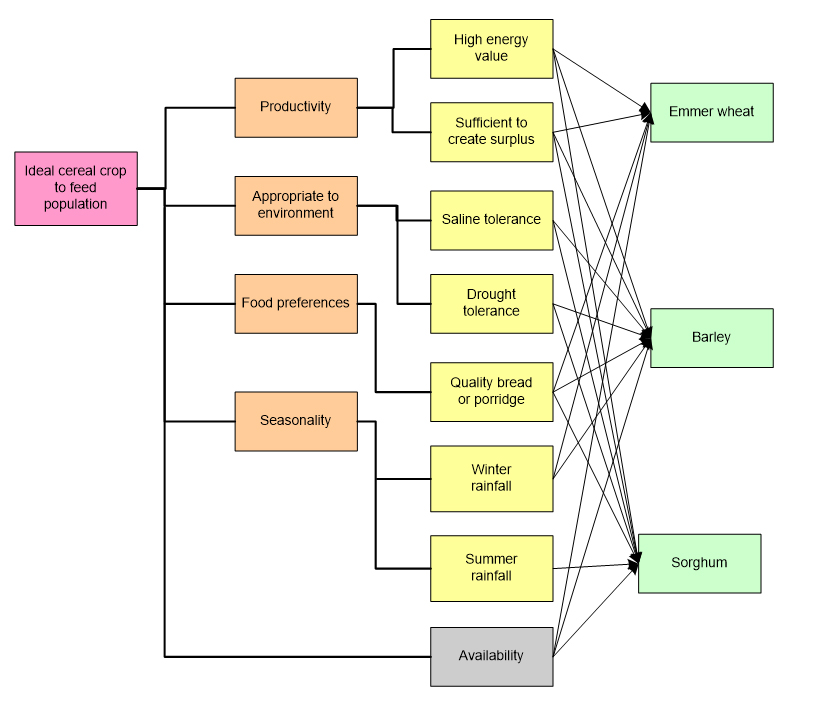 Figure 27 – Schematic showing some of the choices that may have been
made in the adoption of emmer wheat and barley
As a temperate climate crop it was suitable for the winter rainfall conditions of the Badarian, the Inter-tropical Convergence Zone having moved to the south by the end of the mid-Holocene. Barley is both drought and saline tolerant. Both emmer and barley have a high carbohydrate value and are therefore good contributors to human nutrition, particularly in terms of energy, and seeds were suitable for making both bread and porridge-type meals that could be shared out within the household or the community. Should a surplus be generated grains can be stored, if protected against damp, rodents and theft. Plant remains following harvest also supply fodder for livestock.
As the seasonal schedule in figure 28 shows, barley has a shorter growing season than wheat, being planted later and harvested earlier than wheat, so planning and harvesting of cereals could have been staggered, which may have had benefits in terms of labour availability, the ability to make and consume cereal products over a slightly extended period and to allow herds to graze on the parts of the crop that were not used. It is likely that barley and wheat will have been grown in different zones, with barley on the floodplain edges and wheat confined to the wetter areas.
If it is accepted that this was a mixed economy, with both domesticated cereals being tended and consumed, and that domesticated animals were herded, whilst wild animals also roamed the floodplain, it is appropriate to ask how these conflicting resources were manged (i.e. how to prevent the latter consuming the former). The fertile floodplain could have been used for low-level cultivation or cereal curation without much modification, the Nile floods providing sufficient water to saturate the deposited fertile silts and enable the planting of seeds following the retreat of the floodwaters, followed by harvesting in the early summer. Herds of domesticated animals would need to be maintained away from the floodplain following retreat of water to prevent trampling and crop consumption. In a temperate climatic regime with winter rainfall the dry season is summer, covering the entire period of flooding, sowing and plant growth. The rainy seasons (only producing very small and spatially variable water) is in the winter months. One model for manging these two resources was that of the Himba in Namibia, where during the dry season only lactating animals are kept close, whilst herds are moved to dry season pastures, whilst during the wet season grazing was around households and near river soils (Müller et al 2007, p.1871).
In an alternative scenario where livestock was kept without cultivation, it is likely that a similar pattern of mobility would have been employed, with herds moved during the inundation to wadi deltas, wadis and desert pastures, but returning soon after the floods to take advantage of the rich floodplain vegetation. An alternative model is that herds were moved daily or over several days along the entire 35km Nile-side region, except during the flood season when people and herds would have had to move further afield. After the flood season there may have been different benefits to various Nile side areas, depending on the profile of the silts laid by the inundation. For example, Wenke et al (1988, p.46-7) have suggested that in the Faiyum depression the annual inundation will have deposited different depths of silt and that residential movement may have been governed by the need to take advantage of these benefits, thereby making movement on a seasonal basis not only desirable but necessary.
The establishment of cemeteries at places along the 35km stretch of the Nile in Middle Egypt suggests either multiple areas occupied simultaneously or that smaller populations shifted over time. Unfortunately research has been unable to clarify which of the two scenarios is most plausible. In the event that it represents and expanding population rather than a shifting one, the pressure to use desert and wadi resources as well as the floodplain would have been greater. Mahgar Dendera is a seasonal site where herding and fishing are attested, but the site was only temporary and in the view of its excavators would have been abandoned when other economic activities were to be carried out (Hendrickx et al 2001; Hendrickx and Midant-Reynes 1988; Hendrickx and Vermeersch 2000, p.43).
The presence of deep-water species of fish suggests that basketry or nets may have been used for fishing from boats, and that the remains of these have been lost, but it is also possible that the capture of deep water fish was achieved during the flood season. That nets were used and known about along the Nile is suggested by their depiction in much earlier rock art at El Hosh (Huyge 2009). Holmes and Friedman additionally found Clarias and Synodontis remains (Holmes and Friedman 1994). Romer suggests that as the Nile was very steep and narrow at Mahgar Dendera it was an ideal place for fishing and keeping herds close to the river without having to retreat from it (Romer 2012, p.46).
It has already been observed that gazelle and hippopotamus formed part of the diet. Both carried risks, with gazelle being a desert inhabitant and requiring hunting trips to pursue it, and hippopotamus being a dangerous prey, but both were available if required. Similarly, although dogs were probably used for hunting, they may also have been used to supplement the diet.
In figure 28 below, showing resource capability over a two year period, the availability of resources on a year-round basis seems fairly good, given that hunting, fishing and mollusc gathering forms part of the diet as suggested by findings at Badarian sites, and that floods and rains arrived as expected.
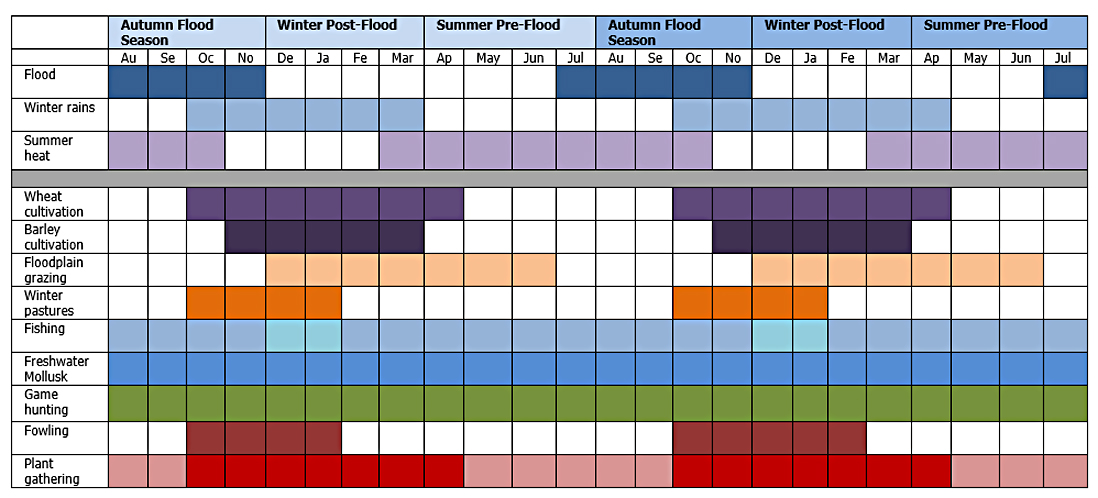 Figure 28 – A possible seasonal schedule over 2 years, assuming the possibility of
cereal cultivation and herding. Based on Butzer 1976; Hassan 1984, Midant-Reynes
1992, p.140 and Yokell 2014
The schedule shows how the year could have been divided up in order to maximize each different part of the environment, ensure sustainability and prevent over-exploitation. It is only an estimate of how the Badarian livelihood strategy might have been managed on a seasonal basis. It suggests that following the retreat of floods crops would (if used) have been planted on small plots. I have proposed that during the height of the flood season, and when the rains started, herders would remove cattle to wadis or low desert to take advantage of winter pastures, making good use of the local environment, whilst other members of the community would remain in the flood plain area in order to maintain crops and shield them from predators. Floodplain grazing could have been sustained before and after the floods, particularly if mobility along the river (and even across it) was practiced. If plants were not cultivated, it is possible that entire households departed during the flood season. Fishing and the gathering of freshwater molluscs could have been sustained on a year-round basis. Fishing would be particularly easy when flood waters were retreating, stranding fish in natural basins, suggesting that fishing would have been a preferred activity at this time, perfectly compatible with other simultaneous activities. Game hunting too would have been possible on a year-round basis. Plant gathering would have been at its most nutritious and plentiful during and for a brief period following winter rains, particularly in the low desert. Water-loving and aquatic species would have been available all year round.
In conclusion, it is likely that some sort of experiment employing cereals took place during the Badarian but it is unclear how intensive this was. It does seem plausible from the limited data that a combination of low level cultivation, hunting and herding were combined and that mobility would have been a requirement of the livelihood practices if herds were indeed employed, which seems probable in spite of the limited evidence.
Animal diseases, viruses, pests and parasites
Amongst pastoral societies herds may experience many problems, some devastating, are logged but the remains surviving from the Badarian provide have not been examined for any signs of disease. There is no sign from human remains studied to date that animal diseases were transmitted to humans (Brunton 1928; Zakrzewski 2007; Stock et al 2011).
Cereals can be highly vulnerable to disease, fungus and pests, but there is no data to indicate presence or absence of this type of problem.
In both cases the sample is not sufficient to support any conclusions.
The potential for and indications of trade networks
Herders from the desert could have inhabited the area of the Badarian as a response to increasingly challenging environmental conditions at the end of the Middle Holocene but cereals were not an option for desert subsistence strategies, and only became viable with floodplain settlement. So the first question is how cereals came to be employed in the Badarian. A number of mechanisms could account for their presence, all purely speculative, including the establishment of clan connections and trade or exchange relationships with Lower Egypt, with people who moved out of Lower Egypt towards the south, or with people who moved from Sudan and Nubia to the north. It is even possible that the grain was not grown on the floodplain but traded with the north, although that seems a bit of a stretch due to no corresponding materials from the Badarian in contemporary sites in the north.
Within the Badarian there are no indications that either cereal or livestock production generate substantial surpluses. On the other hand, there are no indications that they did not. The lack of evidence may mean that grain surplus was stored elsewhere, now lost, and that animals were kept for blood and milk rather than meat, so that bone remains are not plentiful.
The most obvious area for potential for trade locally between households or groups, is pottery production. Unlike lithic technology which can be learned very easily from childhood, ceramic manufacture is more specialized and the quality of Badarian pottery varies from the very rough high to standards that were never surpassed in Egypt.
The potential for using food production for longer-distance trade seems somewhat unlikely given the small quantities of grain discovered, although it is an obvious line of inquiry. Instead, the presence of stones that are exotic to the Nile and are found in graves may well have been part of a relationship between Badarian herder-farmers and desert hunters. Majer suggests that there was a massive influx of desert inhabitants into the Nile Valley “but rather a long term interrelation between desert and valley in which movement between the two zones was relatively easy” (1992, p.228). Whilst it is possible that seasonal mobility could have provided herders with the knowledge needed to find such stones, the establishment of relationships with desert dwellers may be a plausible explanation for the range and extent of knowledge regarding the sources of different stone types displayed in Badarian graves. Nerita and Ancillaria shells, both from the Red Sea, indicate contacts across the desert.
There are some indications that some form of exchange or trade was negotiated over much longer distances. Shirai proposes (2006, p.14) that following the diffusion of goats and sheep from the Sodmein and Tree Shelter areas, there would have been ongoing movements between the Red Sea coast and the Western Desert, with trade and exchange links expanding through time, beginning with Neolithicization and the wide dispersal of Red sea shells, Mediterranean shells and Nubian diorite into the Faiyum in the 6th Millennium BC. Red sea shells are a common find in Badarian graves, often made into items of jewellery. Shirai also proposes that if a short route to the Red Sea was required then the Wadi Hammamat was the most obvious route, as it is the narrowest link between the Nile and Red Sea throughout the length of the Nile. That Badarian inhabitants knew of or had access to the Wadi Hammamat is suggested by the meta-greywacke palettes, a stone which is only available from that location (Aston et al 2000).
Cultural similarities between the Badarian and areas to the south in the Sudan are notable, both in terms of object characteristics and funerary traditions. Elephant ivory may have been derived locally, but as Brunton states, it could well have been imported from the south (Brunton 1929, p.41). It is not clear what other items would have been exchanged, as most materials and objects used in the Badarian and available in the south were also available locally in the Badarian area.
The proposed connections with Sinai based on the possible import of turquoise and copper (Andelkovic 1995; Brunton 1929, p.41; Finkenstaedt 1983; Horn 2015; Tutundcizk 1989) had not been confirmed any petrographic or metallurgic analysis on the Badarian materials until recently wen one item tested by Marten Horn during his PhD research proved to be turquoise (pers comm 2017). In her section on the Badarian, Midant-Reynes (1992/2000, p.161) has suggested that works of the Palestinian Ghassulian culture were “undertaken at Serabit el-Khadim to provide turquoise for Predynastic Egypt” and also cites Abu Matar as an important source of copper for the Beersheba culture, again sourced from Sinai, and adds that fresh-water Nile snails were found at the site. The findings of Debono (1951a and 1951b) in the Eastern Desert are significant in this context (Midant-Reynes 1992/2000, p.161). As discussed above, it is possible that copper is a red herring in this discussion, as but it is likely that the flimsy items found in the Badarian, such as pins and beads, are made from native copper that could be found in the Eastern Desert and had no need of smelting (Ogden 2000, p.151). The only examples of glazing by Badarian people are beads, and the earliest known in Egypt (Horn 2015), which may have been manufactured locally but may also have been a Near Eastern import. Brunton himself thought that they could “hardly have been made locally” (Brunton 1928, p.41). Tassie (2014, p.258) suggests that turquoise and possible copper was worked by Middle Timnian populations of southern Sinai, envisioning exchange across the Red Sea as part of an “interaction sphere” between the Badarian, Timnian, Ghassulian and Beersheba populations. Glazed steatite is another possible indication of long term trade. Although steatite was available in the Eastern Desert, glazing is a particular technology that is new to the eastern Sahara at this time but is known in thousands of sites in Mesopotamia and Syria (Midant-Reynes 1992/2000, p.162) so the technology seems to have come from here, either as imports or as a common ancestor to both, again reaching Egypt via the Red Sea, as there is no indication of glazed steatite at this time in the north. So a final possibility is that the Badarian could have acted as an interface between Sinai and elsewhere in Egypt and the Sudan, via the Eastern Desert, for the trade or exchange of Red Sea shells and glazed steatite, possibly copper. A model for this sort of role could be provided by the later phases of the A-Group in Lower Nubia, where it has been proposed that A-Group sites became very rich as the result of serving a role as middle-men between Egypt and the south (Wilkinson 1999, p.149).
Shirai (2006, p.14) suggests beads themselves may be indicative of networks that are no longer clearly visible. He points out that stone bead manufacture has a “curious coincidence with the beginning of food production and sedentary life in the southern Levant” (2006, p.14) and suggests that the beginnings of food production and bead manufacture in Egypt are themselves a possible sign of development of exchange and trade networks between the eastern Sahara and the Near East.
The case of the isolated grave 569 is of particular interest in this matter (figure 29). A globular four-handled jar from the grave (Brunton 1928, p.3; British Museum EA59722) is the earliest known connection with the Levant in Middle or Upper Egypt (Friedman 1999a, p.6), with a distinctive shape not found in Egyptian contexts, made from non-Egyptian fabric and subjected to a repair to the rim. Friedman states that it has some parallels to Canaanite “cream ware” from Beersheba basin and the southern Judean Hills which, made from Eocene chalk, occurs outside areas with chalk formations, indicating that “this pottery was an item of trade, and as such constitutes one part of the growing body of evidence for short-distance interregional trade with southern Canaan at this time” (Friedman 1999, p.7). She suggests that its presence supports a route other than the Red Sea connection proposed for the import of other products (1999, p.8), but that it may be evidence of a link with the central Delta Canaanites who were apparently resident at Buto in its earliest phases. Another possible connection with the north is also found in 569, Brunton’s pottery type AB9 (Brunton 1928, p.6, pl/XX, 11; British Museum EA59694), which Friedman says is not typical of either Palestine or the Badarian but is “very familiar in fabric, finish and form to vessels from Lower Egypt” (Friedman 1999, p.8). Finally, another Badarian vessel, this time from Mostagedda, (Brunton 1937, 42, pl.24.2; British Museum EA62991) has similarities to examples from Maadi and early Buto. Friedman questions whether 569 was a grave, and instead proposes that it may have been the store of a tradesman (Friedman 1999a, p.9).
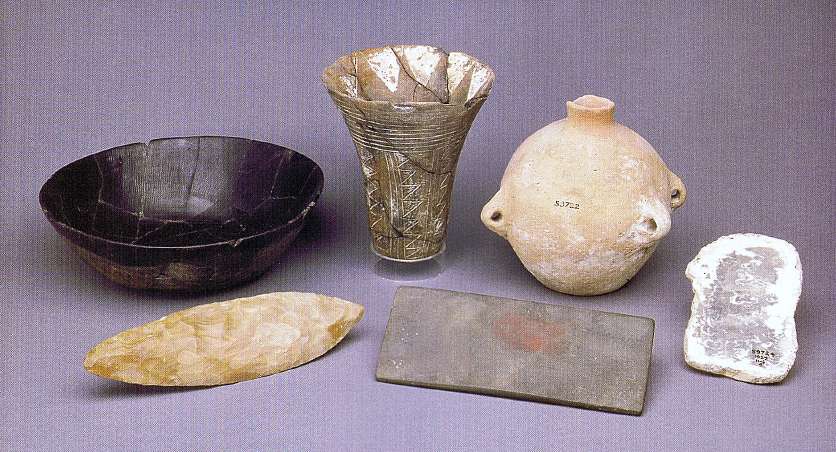 Figure 29 – Group of artefacts from Grave 569 (Source: Friedman 1999, plate 1)
If it were to be suggested that the Badarian was acting as a hub for the redistribution of goods, the next question is where such goods would be sent and what was being received in return. As well as the pottery in grave 569 a connection with the north is suggested by the use of cereals and the presence of basalt (known from the Faiyum and el Omari) in Badarian levels, but there are very few other signs of connections between the Badarian and sites at the final stages of Merimde and the Faiyum, or at Omari all in Lower Egypt. There were no signs, for example, of copper or ivory at Omari (Midant Reynes 1992/2002, p.122). On the other hand Friedman’s analysis of ceramics from grave 569, discussed above, indicates possible connections with Maadi and Buto (Friedman 1999a). In addition, when compared, there are cultural similarities between El Omari and the Badarian burial traditions, including Eastern Desert stone beads, bifacial lithics, perforated Red Sea Shells, contracted burials with hands in front of the face, cloth made by weaving and a similar range of domesticates; but there are also considerable differences, including pottery that has more affinities to Palestinian examples than any types found in Egypt, and the absence of ivory and copper (Debono and Mortensen 1990; Midant-Reynes 1992/2000).
Cultural affinities to the south and west are more conspicuous in the context of trade, and would explain the Badarian outlies in the Rayayna and Eastern Deserts, as well as similarities between the Badarian and contemporary sites in Nubia. If Badarian economic activity included trade on an east-west axis, this would answer the question of why the Badarian never extended to the north or south.
There are therefore a number of possible models to answer the question of what sort of trade could have been practiced in the Badarian but, unfortunately at the present time, very little way of selecting between them. There is some indication of wealth, in terms of investment of labour in graves and items deposited in those graves and taken out of circulation, but it remains unclear how that wealth was generated and by whom.
Savings and credit
At least some of the savings made by Badarian households would have been retained in the form of livestock. If limited cultivation took place, grain could have been stored and retained as a form of saving. In spite of suggestions that trade links may have been made over short, medium and longer distances, there is no firm indication of what was used to negotiate such agreements.
Credit and loans, used as a staple of pastoral negotiations in modern groups (Bollig 2009, p.285-290; Harir 1996, p.89-90), could have taken places wherever livestock and kinship relationships were both available when conditions were good, but there is no evidence that this was taking place, mainly because there are currently no archaeological measures for such a relationship.
Labour availability
An overview of the Human Assets (see below) suggests that at least amongst those who were buried, the quality of health was good. Injuries healed, there were few signs of deprivation and labour-related disadvantages and some members of society lived to be over 50 years of age (Zakrzewski 2003). This suggests that at least part of society had a healthy life and that a labour force also had the potential to be both healthy and sufficiently numerous to tend herds and crops.
As discussed elsewhere in this case study, there is no indication of intensive cultivation in the Badarian case study. Doolittle (2001, p.414) describes floodwater farming as requiring minimal input of labour with only basic protection required from birds, rodents and small mammals. Most of the labour required is concentrated during and immediately following harvest, when crops would need to be cut and processed and probably stored. Herding only has high labour costs when herds are large, and need to be moved, of which there are no indications, although as Linseele has observed at Sodmein Cave, lack of evidence in this case may be misleading (Linseele et al 2010).
A reduction in stature from hunter-gatherer populations in the Western Desert (Stock et al 2011) is interpreted by the authors as a reduction of food reliability perhaps associated with increased sedentism and early experiments with agriculture.
It seems, therefore, that sufficient labour was probably available for most if not all of the duration of the Badarian.
Knowledge
Although the Nile had enormous potential for cultivation, as demonstrated by future agricultural development of the Nile valley, there are three core requirements for exploitation: perception of the value of the land for cultivation purposes, knowledge of how to exploit it, and the resources with which to exploit it. Assuming for the moment that wheat and barley seeds had been made available, the knowledge of how to sow, harvest and process it is based on transmission of information from one household to another and from one generation to the next. How it initially entered the Badarian and how the necessary skills and knowledge were transmitted with it is unknown but there are several are possible mechanisms, discussed above in Evidence for subsistence activities.
Mobility
In 1955 Baumgartel summed up the contemporary frustration with the situation of knowledge about the Badarian economy: “The most glaring example of our ignorance is that we cannot even say whether the Badarians were already sedentary in the Nile valley, or whether they were still nomads or semi-nomads, cultivating their little patch of grain in one place one season and in another the next” (Baumgartel 1955, p.23). Things have moved on only little further today, due to a lack of additional fieldwork. Hendrickx et al (2001) are confident that Mahgar Dendera 2 was occupied only seasonally, which argues that mobility was a part of Badarian livelihood management.
Although cemeteries represent an investment in an area, a form of commitment, they are not always associated with sedentary lifestyles, and may merely represent a place to which people return, or an area where part of a community remains whilst others leave on a seasonal basis. Nor is pottery necessarily an indication of sedentism, as indicated by ethnographic research into the relationship between pottery usage and mobility (Eerkens 2008; Grillo 2014). There are no permanent structures associated with the Badarian, and no indications of long-term usage at any given settlement area. Even if primary settlements were based on the floodplain or on the west bank, these would have been abandoned during the flood season, causing a seasonal movement of the population to the edges of the floodplain. The flood would, additionally, have denied access to resources that were available throughout the rest of the year and activities like fishing, hunting, wild food procurement and management of herds would certainly have had to be modified to deal with this incursion. Whether they were sedentary and whether they cultivating crops or not, they would still have had to adjust their lifestyles on a seasonal basis to incorporate the movements of the Nile floods. Gathering wild grass and tree seeds may have been more challenging during these periods (Edwards and O’Connell 1995) when the favoured habitats of these species were flooded.
Whilst precise patterns of mobility are impossible to determine form the evidence, there are indications that mobility was practiced, although it was probably partial. There are a number of possible models that fit the data. First is the possibility that the core Badarian area actually represents a flood-season removal of the settlement sites to the desert margins from the floodplain. The highly ephemeral nature of the settlement sites has been factored into this suggestion. An alternative model is that of one of permanently shifting settlement on a north-south axis to enable herding and hunting of fresh areas along the floodplain. A third model is transfer of groups to Nile-side floodplain locations during the flood period that are sufficiently steep to permit occupation with herds above the flood level, whilst fishing in the floodwaters themselves (Hendrickx et al 2001). A final model is that of combining floodplain and wadi – desert usage, with villages either decamping completely or partially at different times of the year to locate pasture or to escape the floods, or both. Unfortunately there is very little data available from the Eastern Desert to either support or refute the last possibility, so all options remain open. There are certainly elements that Binford refers to as “site furniture” (1976, p.242), components that are too heavy to move over long distances, including grinding stones and large ceramics, and the cemeteries indicate a fixed affiliation to this stretch of land, but most of the items found in settlements and graves are portable, suggesting that mobility was certainly an option. An analysis of a small sample of skeletal remains, specifically the cross-sectional shape of limbs, suggested to the authors that Badarian bones are a good indication that Badarian populations were mobile (Stock et al 2011).
Livelihood management strategy
It seems as though the Badarian represents, above all, a highly diversified livelihood strategy, with pastoral components including cattle, goat and possibly sheep, the hunting of wild species in Nile marshes and the Eastern Desert, the introduction of domesticated cultivars and a certain amount of fishing. Although the practice of agriculture in the Badarian remains controversial, it could easily have been incorporated into a diversified economy, taking advantage of existing knowledge imported from elsewhere and the Nile floods to add to economic diversity and stability. Where resource availability cannot be depended upon on a year round basis, and from the current available data (restricted evidence of only two cultivars, the flooding of the floodplain annually and the presence of the outlying temporary settlement at Mahgar Dendera 2), mobility could have been a requirement, and it would seem both a viable and optimal way of handling resource management in the Badarian area. Resources along the Nile were seasonal and were based around annual floods. Even if groups moved on a north-south axis for most of the year, due to rubbish accumulation and depletion of local resources, floods would force them to move off the floodplain for a significant part of the year. Resources in the desert and wadis were also seasonal but based on a more complex set of factors for vegetation and different raw material resources in each. Whether this was full mobility (where the entire community moves) or simply logisitical mobility (where some of the community are left behind on the edge of the floodplain in temporary settlements), cannot be decided by the available evidence.
Land Tenure
Land tenure arrangements are impossible to detect, and cannot be discussed even hypothetically, but the concentrated development of settlements and cemeteries with a distinctive cultural output over a limited area seems to indicate a sense of identification between people and this stretch of land, suggesting well developed ideas about the symbiosis between people and the land they occupy temporarily or permanently. Campbell et al (2006, p.42) state that pastoralists in areas that have greater ecological predictability, usually associated with more predictable availability of water, will tend towards greater exclusivity in property rights. It is possible, given that in common with many modern African religions (Olupona 2014, p.3, p.28), the earth in which people were buried represents both the ancestors and ancestral rights to land. A.B. Smith (1996, p.30, 32) suggests thatas pastoral societies rely on communal landscapes with no attachment to parcels of land. However, the Badarian may represent a different dynamic, even if the subsistence strategy was based partially on pastoralism. There was a requirement for increased control on limited resources, whether that was floodplain, marshes or the river itself, and this commitment to a specific area in the form of cemeteries seems to incorporate ideas of identity that were rolled into the resources available on this strip of land, with burials as acts of legitimization. This idea is complemented by Shirai’s suggestion that stone bead-making and sedentism may be linked (2006, p.14). In all, it seems reasonable to suggest that whatever levels of mobility were sustained, this particular stretch of land became of particular importance and was adopted as territory.
3.1.5 Human Assets
Human resources for the ability to sustain given livelihood strategies under normal conditions or at times of risk
Potential nutrition
As discussed in Chapter 7, measuring health and physical well-being is fraught with difficulties even when good quality data is available. This section represents, therefore, the optimal nutritional possibilities under conditions of maximal use of all options. These are measured against analyses of the health and overall status of human beings from their cemetery remains (Brunton 1928, 1937, 1948; Zakrzewski 2003, 2007; Stock et al 2011) to compare suggested nutritional values and deficiencies against data that can be reasonably interrogated for information. The botanical and faunal species located to date are listed in the tables below.
Given the paucity of data, a number of assumptions are made here, and these should be made explicit. The presence and importance of cereal cultivation has already been discussed and the outcome was that even with the poor data, it seems probably that at some point the people who were living along this stretch of the Nile were introduced to wheat and barley and began to cultivate them, probably on a very small scale to begin with. Diehl discusses three potential models for easy agricultural adoption: pre-agricultural sedentism, introduction of cultigens leading to sedentism and finally the introduction of cultigens combined with seasonally mobile foraging. Of these models the available data for the Badarian, admittedly patchy, seems to lean towards the latter. It also seems reasonable to assume, on the basis of how modern groups function, that knowledge about wild species, including fruit, seeds, tubers, wild grasses, roots and other plant foods, was communicated from one generation to the next for use both in the daily diet and as hunger foods (see Chapter 5). With respect to animal herding, available data suggests that cattle, sheep and perhaps goat were kept, and that they were used for blood, modified dairy products and occasionally for meat. When used for meat, both domesticated and wild species would have been used as completely as possible when killed, making use of meat, organs, blood, marrow-bone and fat. Food types were available on a seasonal basis throughout the year (figure 26), and scheduling would have been required (Marshall and Hildebrand 2002, p.112), meaning that human nutrition would have fluctuated throughout the year. With some level of mobility, energy intake would have been an essential requirement but probably not as high as for fully mobile hunter-foragers.
To explore the livelihood management strategy I am assuming on the basis of the previous consideration of the data, perhaps optimistically, that the Badarian people practiced hunting, herding and either low level cultivation and foraging for wild grasses, with fishing and involving some level of mobility. Seeds, roots, tubers and other plant resources were almost certainly employed but remain unrevealed, and will not be referred to. Perhaps surprisingly, no evidence for pig was reported in the Badarian area, although it was identified at earlier and contemporary sites in the north (Caton-Thompson and Gardner 1934; Debono and Mortensen 1990) and in the immediately subsequent Naqada I (Midant Reynes 1992/2000, p.185, 201-2).
Operating such a livelihood strategy, involving partial mobility, would require an energy intake that would be higher than fully sedentary communities, but lower than fully mobile hunter-forager groups. Energy is usually made up of a mixture of fats, carbohydrates and proteins. Fats are not actually a dietary requirement but it is difficult to make up energy needs from carbohydrates and protein alone, and malnutrition in developing countries is often caused by the lack of fat in a diet (Bender 2014, p.23). It seems reasonable to suggest, therefore, that fat would have been an essential requirement in Badarian diets.
Protein has a role beyond providing energy, making up 14% of the human body and is required for growth in both foetus and child. Adults also have an ongoing requirement for protein because it breaks down in the body and needs to be replaced to maintain health (Bender 2014, p.31-33).
Vitamins and minerals, only required in very small quantities, are usually only available from the diet because they cannot be manufactured by the human body (exceptions are vitamin D and niacin). Deficiencies in any of the essential minerals and vitamins can have serious results, including illness, deformity and death.
The following tables (tables 15 and 16) list the complete data that is available for the Badarian, from the point of view of nutritional requirements.
| Nutritional Values of Plant Species
|
||
| Species
|
Seasonal availability | Value |
| Acacia sp. | Year round | Traditionally used for medicinal purposes |
| Barley (Hordeum vulgare) | Harvest is from March to May | Carbohydrates, vitamins B complex, E, small amounts of protein, magnesium, calcium, potassium, chromium, zinc |
| Castor (Caster Ricinus communis L.) | Year round | Fat. Leaves and seeds are toxic and special skill is required to convert it for use as an oil – with oil content at 47% (Serpico and White 2000, p.391) |
| Flax fruit (Linum) | Summer | Vitamin C, K, potassium |
| Halfa grass (Desmostachya bipinnata) leaves. | Often used in traditional medicine, and as animal fodder | |
| Melon (Cucumis sp) seeds | Summer | Vitamin A, vitamin C, carbohydrates |
| Oat (avena sp) | Early winter | Carbohydrates, fat, protein, calcium, vitamin B, magnesium, phosphorous, potassium |
| Tamarix leaves, fruits, containing seeds (Tamarix aphylla) and Tamarix sp. | Fruits appear in the cold season | Traditionally used for medicinal purposes |
| (Bulrush/Cattail) Typha sp.
|
Various | Vitamin K, vitamin B6, calcium, magnesium, potassium, phosphorous, manganese, iron
Traditionally used for medicinal value in Europe and America for antiseptic and coagulant properties |
| Vetch (vicia sp) seeds A weed associated with wheat and barley fields, |
Seeds appear over summer months. Herbivores can eat it at all stages of growth
|
Protein, nitrogen, potassium
Commonly used today as an animal fodder due to high feed value, but may also be used as an alternative to lentils. |
| Wheat (probably Triticum dicoccum) | Harvest is from April to May | Carbohydrates, vitamins B complex, E, small amounts of protein, magnesium, calcium, potassium, chromium, zinc |
| Unidentified cereals | Early summer harvest | Carbohydrates, small amounts of protein |
Table 15 – Nutritional values of plant species found in the Badarian
| Nutritional Values of Animal Species
|
||
| Species
|
Seasonal availability | Value |
| Antelope (various African species of the family Bovidae that are not sheep, goat, cattle), but most likely to be ibex and gazelle | At any time | Meat products: protein; iron, zinc, fat |
| Cattle | Dairy products: Only when animals are lactating (3-8 months)
Blood: available all year round but less during dry-seasons and not at all during drought Meat; at any time |
Dairy products: Calcium, Vitamins A, D, zinc, phosphorous, fat (4-5.5%), carbohydrates
Blood products: Iron, zinc, protein, some calcium and phosphorous Meat products: protein; fat; folate/folic acid; Vitamins A, B2, B3, B6, B12 |
| Crocodile | Meat; At any time | Protein |
| Dog | Meat; at any time | Meat products: protein; fat; folate/folic acid; Vitamins B2, B3, B6, B12
Protein, zinc |
| Fish | At any time. | Protein; fat; Vitamins A, B3, B6, D, phosphorous, zinc |
| Fowl | Non migrating species: any time Migrating species: winter months |
Meat: protein, fat, Vitamins B2, B3, B6, B12, zinc
Eggs: fat, phosphorous, protein |
| Gazelle | At any time | Meat products: protein; iron, zinc |
| Goat | Dairy products: Only when animals are lactating (3-8 months)
Meat; at any time |
Dairy products: Calcium, Vitamins A, D, phosphorous, zinc, fat (3.5%)
Meat products: protein; iron, zinc, vitamins A, B2, B3, B6, B12, D, carboydrates |
| Hippopotamus | At any time | Meat products: protein; fat; folate/folic acid; iron, Vitamins B2, B3, B6, B12 |
| Molluscs | Various | Vitamin C, Vitamin B2, B3, B12, phosphorous, protein, iron, zinc, copper, magnesium, selenium |
| Ostrich | Meat: at any time
Eggs: winter |
Meat products: low in fat but is high in protein, vitamin B12, selenium, niacin, vitamin B-6, phosphorus and zinc and smaller but significant levels of thiamin, riboflavin, pantothenic acid, iron, potassium and copper
Eggs: high in fat and contain vitamin A, thiamine, zinc, calcium, iron, magnesium and manganese |
| Sheep | Dairy products: Only when animals are lactating (3-8 months)
Meat: at any time Blood: at any time |
Dairy products: Calcium, Vitamins A, D. phosphorous, zinc, fat (5%)
Meat products: protein; fat; folate/folic acid; Vitamins A. B2, B3, B6, B12, D, carbohydrates Blood: Protein, iron, salt |
| Spoonbill | Winter | Protein; fat |
| Turtle | At any time | Protein; calcium; Vitamins A, B1, B2, B6; phosphorous; zinc |
Table 16 – Nutritional values of animal species found in the Badarian
Brunton describes various residues and organic remains at Badari (5709, 5716, 5738, 5770), Mostagedda (3506, 10,017) and Matmar (2517), which he interpreted cautiously as bread and/or porridge, although he does not describe the criteria he used to make this determination (Brunton and Caton-Thompson 1928, p.25, 41; Brunton 1937; Brunton 1948) and there are no details of the organic materials that made up the substances. Carbonized and desiccated cereal are also recorded at Badari (Brunton and Caton-Thompson 1928, p.41) and Mostagedda (Brunton 1937, p.15-16, 18, 31 and 58).
Bearing in mind the caveats listed in Chapter 7, as a cumulative whole, and using the tabulated data in Appendix E and the above tables as guidelines, the above nutritional components could provide the a substantial nutritional quotient required for an individual to live a healthy life, even without cereals, although as Edwards and O’Connell (1995) have observed, the labour required for collection would have required a considerable expenditure in energy and time. Unfortunately, there are no remains of wild cereals in either Brunton’s granaries, ceramic vessels or graves, so the best evidence to date is for domesticated cereals and the presence of grinding stones implies that either domesticated or wild species, or both, were ground down for processing into food. Wetterstrom (1993, p.183) points to the presence of modern grasses like panicum and pennisetum that grow along the floodplain and would have been ideal candidates. Zakrzewski suggests that stable isotope analysis indicates a diet consistent with temperate diet vegetation, with high δ13C ratios suggesting high cereal-based diets (2012, p.137). Cereals are high on carbohydrate which is converted into energy.
Mostagedda produced the remains of three males with broken bones, all of which had knitted well, and in two cases were the right arm (Brunton 1937). The fact that the bones had knitted well is an indication of good nutrition, and particularly the intake of vitamin C, protein and zinc.
If dairy was not consumed due to lactose intolerance, the outlook becomes less clear-cut, with much greater effort needed to obtain calcium, saturated fats, vitamin A and vitamin D. Although fish can often compensate for the lack of dairy in the diet, this requires far more effort and time to meet the need, but high δ15N ratios may well reflect the consumption of seafood (Zakrzewski 2012, p.137).
If versatile Red Sea molluscs were not consumed and were valued only for their shells, then there might have been shortages of magnesium, leading to muscle weakness, abnormal heart rhythms, tiredness, and loss of appetite which could in turn lead to greater difficulties.
A note should be made about the arid-adapted ostrich. Ostrich has a number of nutritional benefits and although only feathers in Badarian graves attest to its use, it seems reasonable to assume that if it was caught, it and its eggs were also consumed. A single ostrich will lay 40-60 eggs per year after the summer breeding season, with an incubation period of around six weeks, and has high nutritional benefits to contribute. Until the last decade ostrich bones were almost unknown at desert archaeological sites, but ostrich eggshells have been ubiquitous, suggesting that it was a commonly used resource throughout Egyptian Holocene prehistory.
Analysis from the southern Levant demonstrated “a clear association between animal and plant domestication and deterioration in health of humans and their herds” (Horwitz and Smith 2000, p.81). This consisted both of shorter life expectancy, incidences of osteoporosis and cribra orbitalia and parietal pitting. There is, however, no evidence of this in the Badarian, although diminished stature from a hunter-gatherer skeletal sample with which it was compared, suggests a reduction in food reliability.
Evidence of physical condition
Brunton also indicates that in the cemeteries around Badari there were a large number of skeletons of older people with no visible injuries (Brunton 1929, p.463). The lack of indication of injuries may indicate few injuries experienced, but may also suggest that that the livelihood was sufficiently well balanced and plentiful to support rapid healing of minor injuries. It may also indicate that those buried were involved in low-risk occupations. As healing requires vitamins A and C as well as zinc, this indicates that there was plenty of these available, and this is supported by the animal and plant remains discovered. Analysis by Sonia Zakrzewski found few broken bones and few pathologies associated with stress or deprivation (2009), although there is some sign of stunted growth in males and females who were shorter than in later periods, possibly caused by variable food availability (Zakrzewski 2003, p.225). The male in Matmar grave 3107 had broken his right humerus and it had healed shorter than his left arm (Brunton 1948, p.9), either indicating that the injury was not properly set or that healing was impeded by damage to surrounding tissues or poor nutrition that impedes regrowth of the tissues.
At Mostagedda, one male, in 473B “showed a strongly marked arthritic condition of the lumbar vertebrae,” a child buried in Cemetery 3500 had a diseased right femur due to osteosarcoma (a type of bone cancer), a female in Cemetery 3524 had a diseased jaw with indications of a tumour, possibly myeloid epulis (gum-line growth indicating bone marrow disease), a female at Cemetery 300 had calcareous concretions in the region of the shoulder blade, the individual in grave G300 was the victim of renal calculi indicative of a cystic kidney. and there was one achondroplastic dwarf (caused by genetic or spontaneous mutation) in Cemetery 5310 (Brunton 1937, p.46). These are the only known examples of these conditions from Badari, although modern analysis would probably produce further insights. None of them give any indication of problems caused by nutritional difficulties, work-related stresses or lack of genetic diversity.
A small sample of Badarian skeletal remains has been compared with a sample from a hunter-gatherer population at Jebel Sahaba in the far southwest corner of the Western Desert as well as settled agricultural populations from a later period at Kerma (Stock et al 2011). The analysis suggested that there was sexual dimorphism in the Badarian, albeit limited, visible in the reduction of humeral and femoral strengths among men but not women. The authors suggest that this is consistent with “a general reduction of habitual loading of the upper and lower limbs with the transition to agriculture in this region” (Stock et al 2011, p.359). The comparison with Kerma, which is consistent with contemporary Hierakonpolis, suggests that size and strength of individuals decreased with the increasing importance of agriculture and sedentism. Put together, the data suggests that the Badarian seems to sit between the two, but males seem to have changed more, with females continuing as before.
Zakrzewski’s analysis of the dental condition of a number of samples from the Badarian through to the Middle Kingdom has demonstrated “severe patterns of wear” on teeth from the Badarian sample, together with a surprisingly high level of dental caries, at 14% of the sample, and 28% of individuals in the sample with abscesses (Zakrzewski 2012). Given that fish, molluscs and cereal-based meals should not result in severe wear patterns on teeth, the dental damage suggests that either that meat was not tenderized by long cooking or, as Forshaw indicates, that “fine particles were accidentally generated when grain was ground with stone implements, and windborne sand would have been a major contaminant in food preparation processes” (Forshaw 2014, p.529). Dental caries is the result of high sugar consumption, and is often associated with a greater use of carbohydrates in plant foods, particularly cereal consumption in sedentary societies (Forshaw 2014, p.530). Abscesses are associated with both caries and severe tooth wear. The dental data provided by Zakrzewski suggests, albeit not definitively, ground plant foods made up part of the diet, and that meat may not have been cooked to the point where it was easily masticated. It also suggests that life may have been occasionally somewhat painful for some members of the Badarian population.
Another analysis of dental remains from the Badarian (Starling and Stock 2007) concludes that a high frequently of linear-enamel hypoplasia represents a reduction of nutritional quality
Medicinal components
Brunton and Caton-Thompson (1928, p.38) reported castor seeds. Castor is a good source of vegetable oil but the leaves and seeds are toxic and required special knowledge and skill to convert into use as an oil (Serpico and White 2000, p.391-2). Other uses may therefore be considered as well. Castor is a powerful emetic and can be used as an abortifacient, a contraceptive, to induce labour, and can be rubbed into the skin as an emollient (Serpico and White 2000, p.391-2).
James Mills has put forward an intriguing proposal that antibiotics may have been produced through grain storage practices in early phases of Egyptian food production, testable by analysis of human and animal skeletal remains (Mills 1982). However, although he concludes that grain storage practices could have encouraged the growth of tetracycline producing Streptomycetes, he also concludes that its production was neither uniformly available in the environment, and that other variables would have impacted its production. Understandably, given the paucity of data, the Badarian did not make up part of his sample data, and further analysis on this topic would be of considerable interest.
Skills and knowledge
In the above section on nutrition the assumption as made that knowledge would be transmitted from one generation to the next about what was available in the natural environment for nutrition. Here, the question of the transmission of skills and knowledge to ensure well-being for all people within households and the larger group in the Badarian are assessed. Although much knowledge may be transmitted with ease between generations, specific technological skills may require more investment, and the different levels of skill, and the associated knowledge transmission, are considered.
Flint tool manufacture is not a difficult skill to learn, and the opportunistic and non-specialized form of toolkit made on stone nodules found in the floodplain favoured during the Badarian argues in favour of localized and non-specialized transmission of knowledge. Bifaces, including concave-based arrowheads, sickle segments and knives, required more effort, but were not necessarily the work of specialists, as the skills are not difficult to learn and many of the resulting tools may be curated over long periods to achieve longevity, making the extra effort of manufacture valuable in the long-term, particularly if mobile livelihoods took tool makers away from the raw materials.
Pottery production, on the other hand, was very accomplished and seems to have lasted throughout the Badarian, as described in the Physical Asset section, arguing a deliberate transmission of knowledge. Such skills could have been dispersed throughout the larger area, or restricted to certain families or households and only become available at certain times of the year, such as at gatherings such as markets, funerals or religious occasions, which might account for the number of vessels, even those made of coarse fabrics, that were repaired.
The raw material acquisition and manufacture of beads involves a set of skilled activities, and the number of beads in graves argues that beads were highly desirable (Brunton 1928, 1937 and 1948), but the skills required to produce them are less specialized than those of pottery production or glazing. On the other hand, there was specialized knowledge in acquiring the stones from which the beads were manufactured. Whether this was via locally organized expeditions to sources, or trade with Eastern Desert inhabitants is unclear, but both represent different types of knowledge and an ongoing system of communication about how to source raw materials. Connections with other areas will be discussed later, but there is an obvious overlap between the knowledge needed to produce something locally and the knowledge of how to acquire things from further afield.
Some of the steatite beads were glazed. The glazing of steatite is a highly specialized technique, but it is unclear if the beads were glazed in Egypt or if they were imported from elsewhere.
Knowledge of desert areas used for pasture would have been highly valued and must have been passed from older herders to their children, and information about rainfall events and pasture would have been shared between household.
Unsurprisingly, the Badarian indicates a mixture of long-standing and newer knowledge, both utilized to great effect to create both useful tools and a material identity in the Badarian.
Gender
Both men and women are represented in the burials at Badarian sites, and there is no indication from the remains in graves, which may admittedly represent only a small sample of all Badarian individuals, that either had particularly high mortality or illness. Zakrzewski’s analysis of osteological evidence, focusing on adults, concludes that there was great similarity between male and female stature, unlike later periods (Zakrzewski 2003).
Age
Children are represented in some of the graves. Brunton does not, however, give any indication of the criteria that he used to age individuals.
As mentioned above, Brunton indicates that in the cemeteries around Badari there were a large number of skeletons of “long-lived individuals” with no broken bones or other visible injuries (Brunton 1929, p.40). Although Brunton does not provide any indication of the criteria that he used to age individuals, in her modern analysis Zakrzewski indicates that a number of adults were around 50, or over 50 at age of death (Zakrzewski 2009). This suggests that the livelihood was sufficiently well balanced and plentiful to survive infancy and childhood and support relatively long and healthy lives. As surviving infancy and childhood is often hazardous (Klima 1947, p.47; Little and Leslie, p.218-222; Streeten 1981, p.29, p.154-155), this is a good reflection of quality of life following birth for at least those selected for burial.
Population numbers
There are no estimates available of population numbers due to the fragmentary nature of the evidence and the lack of chronological resolution.
Gene pool
Whilst it is by no means a requirement for groups who prefer to marry within clans, the possibility that finding partners outside the immediate group was a requirement for purposes of reproduction and social relationships (Kusimba 2003, p.85) as well as genetic diversity needs to be considered. There is therefore a possibility that partners were sought from outside the immediate area. It is difficult to see how Badarian households would have ensured genetic diversity within the surrounding area, so solutions would have to be found further afield. Possibilities include trade links to the east (for decorative stones and copper) and to the north (perhaps for grain supplies). Zakrzewski’s analysis indicates that the Badarian is a “genetically homogenous sample, characterized by short cranial vaults and significant subnasal prognathism” (2007, p.508), perhaps suggesting that there was not a great deal of biological diversity, but none of the studies carried out on the human bones from Badarian graves have indicated that are there any signs of inbreeding. Brunton describes “variation in the physical features of these people, such as the stature, hair and facial outline” which he suggests was “racial admixture” (Brunton 1929, p.42). The number of different hair types and colours, which Tassie, an expert on hair in historical contexts, describes as “a wide array of natural colours and hair types” may also indicate some genetic diversity (Tassie 2014, p.261).
3.1.6 Personal Assets
Individual status
The presence of cemeteries with individual burials suggests that individuals had a value in society, whether this was based on family connections, professional status, political organization or individual merit. The individual was provided with grave furnishings and was accompanied by grave goods. Each grave had a different selection of grave goods, showing choices based on unknown criteria, but again argues that each person was associated with different material components, or at least different conceptual schemes. This is reinforced by the presence of items of body ornamentation, where different items of jewellery accompany the dead. It is a step too far to suggest that different combinations of jewellery are personal expressions of individuality, particularly as arrangement of items could have changed over time, and the choice of grave goods may have had little to do with the role of the individual in life, but on stages of life that an individual has reached (Abati 1998), or other criteria, but the presence of jewellery does indicate that a sense of person, of identity, is of importance and is mediated materially.
Personal well-being
The general health of the individuals deposited in the graves was good, there were no signs of endemic work-related health issues, bones usually healed normally, and some people actually lived into their 50s. Nor were there any signs of injuries received as the result of conflict or violence. Zakrzewski’s, however, studies show some signs of stunted growth (Zakrzewski 2003, perhaps due to shortage of a particular nutrient or nutrients at certain times). At least for those selected for burial in graves, the potential for personal well-being seem to have been good, but was clearly not without challenges.
Security
There are no signs of violent death in the skeletal remains, and the lack of any spread of population beyond a 35km section of the Nile does not argue for conflict over land. Security in terms of a diversified livelihood management strategy seems to have been essentially good, and strong social and ideological indicators suggest that personal needs were catered for.
Ability to gain status and influence decisions
The emphasis on personal ornamentation and cosmetics in individual graves may be a reflection of the role of individuals in society, but so far no studies of the Badarian have convincingly argued for incipient hierarchies and many have argued against. However, most pastoral societies include a number of individuals in the decision-making processes (e.g. Schareika 2014) and it can be proposed, on the basis of the complexity of Badarian subsistence and social arrangements that decisions were required on an ongoing basis and that there were multiple participants involved.
4.0 The Livelihood Variables
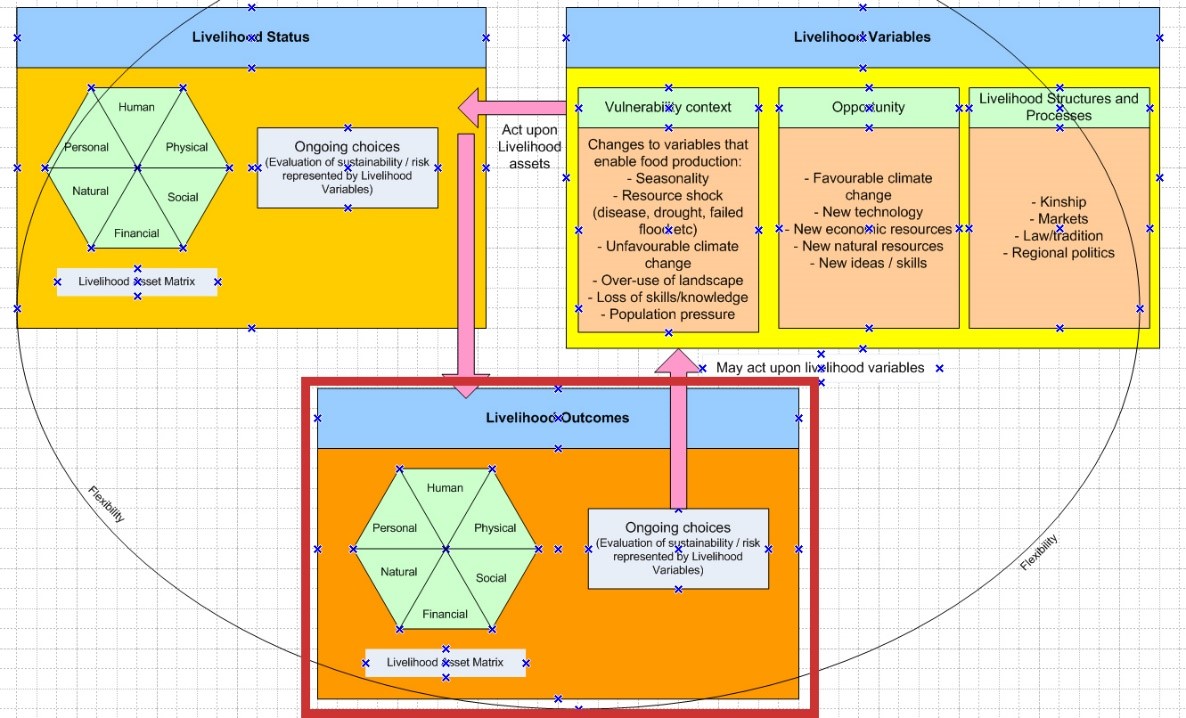 Figure 30 – the Livelihood Variables section of the SRL Model
The livelihood variables are made up of three components, as shown above in figure 32: the vulnerability context, opportunity and external livelihood structures and processes. These are discussed with respect to the Badarian below.
4.1 Vulnerability Context
The system developed by Nelson et al described in Chapter 2 is used to gauge other vulnerability in access to food will be used to give a top-level assessment of the food resource situation at Nabta Playa. As a reminder, the variables are ranked using a simple qualitative scale to measure its contribution to overall vulnerability. The variables contributing to vulnerability load are shown in Table 17 (Nelson et al 2016, p.300):
| Vulnerability variables
|
Evidence for vulnerability | Value for variable for resilient food system | |
|
Population-resource conditions
|
|||
| V1 | Availability of food and water | Insufficient calories or nutrients | Balance of available resources and population reduces risk of shortfall |
| V2 | Diversity of available, accessible food and water | Inadequate range of resources responsive to varied conditions | Diverse portfolio reduces risk, increases options |
| V3 | Health of food resources | Depleted or degraded resources, habitats | Healthy habitats, contribute to managing risk and change |
|
Social conditions
|
|||
| V4 | Connections | Limited connections with others experiencing different conditions | Social networks expand access to food and land |
| V5 | Storage | Insufficient, inaccessible storage | Stored foods reduce risk in times of shortage |
| V6 | Mobility | Inability to move away from challenging food conditions | Movement to alternative places, landscapes and social groups offers potential for addressing resource shortfall through access to food/land |
| V7 | Equal access | Unequal control and distribution of land, water and food resources | Equal access avoids challenges to coping and adaptive capacity in disaster risk management |
| V8 | Barriers to resource areas | Physical barriers limiting access to key resource areas | Lack of barriers enhances capability of people to provision themselves with food |
Table 17 – Vulnerability measures
The qualitative ranking scheme is as follows for measuring each variable, based on contribution to vulnerability (2016, p.300):
- No contribution
- Minor contribution
- More substantial contribution
- Substantial contribution
So a score of 1 for varible 1 (availability of food) would indicate that food supply did not contribute to vulnerability and would not therefore be a problem for the community. A score of 4, however, would indicate high vulnerability. A total of all variables (a possible maximum of 32) gives an estimate of how vulnerable the entire community was. By dividing vulerability into resource and social conditions, the importance of natural versus human influences can be made explicit. I have divided the outcome into two rows: “Data,” which reflects what the actual data indicates, and “Extrapolated,” which uses the combined knowledge derived from the case study and ethnographic studies to suggest more realistic scores. Question marks represent insufficient data. The variables for each case study, using best judgement based on the data captured in the assets are as follows in table 18, and described briefly below:
| Population-resource conditions | Social conditions | Total | |||||||
| V1 | V2 | V3 | V4 | V5 | V6 | V7 | V8 | ||
| Data | 4 | 4 | 4 | 3 | ? | 3 | ? | 3 | 21 |
| Extrapolated | 2 | 1 | 2 | 4 | 3 | 2 | 2 | 3 | 19 |
Table 18 – Conditions of vulnerability in the Badarian
V1: Local availability of food was good – water was available from the Nile and probably in wadi bottoms too. Gazelle seems to have been plentiful and smaller species were probably also available. Plant resources should have been relatively rich on floodplains and in nearby wadis. Flood seasons may have provided greater challenges to food acquisition during the presence of water on the floodplain, but this would have been mitigated by the domesticated livestock.
V2: A mixture of aquatic, floodplain, low desert and wadi resources should have ensured that a wide mix of different types of food would be available, and the Badarian itself produced a diversified mix of food including meat from three domesticated species, dairy and probably small-scale cereal production.
V3: Although there is no evidence for or against the health of resources, there is no reason to think that in an average year they would have been impoverished.
V4: The indications are that the Badarian inhabitants were connected to people over a wide area, but it is unclear how much contact was actually made and how much this would have reinforced Badarian life.
V5: Although the storage pits are not well preserved and few have any contents, it seems very likely that they were indeed used for storage, and it seems reasonable to suggest that food stuffs were amongst those items stored, but lack of data makes this uncertain.
V6: Mobility seems to have been employed during the flood season to move livestock away from inundated areas of floodplain. The presence of gazelle suggests that at least some part of the population was engaged in hunting in the low desert and wadis, whilst the presence of exotic stones suggests that expeditions futher afield may have taken place, perhaps whislt seeking pasture for herds.
V7: There does not seem to have been competition from outside the Badarian community for resources. Assemblages all appear to belong to the Tasian and Badarian at this time. How rights to land and resources were allocated to households is unknown, but there are few signs of nutritional distress or conflict in the skeletal remains, perhaps suggesting that resources were accessible to most people.
V8: The main physical barriers were the Nile on one hand, dividing east from west, and the desert to the east of the Badarian strip of land along the Nile. Although it is possible that livestock could be herded across the water, it is not known if this happened. Model boats suggest that the Nile was less a barrier than a benefit for north-south communication. The desert will have been a mixed blessing, providing the potential for brief periods of rainwater exploitation and pasture, but also subject to drought and unpredictable conditions, and may have been something of a barrier to food provision.
The conclusion is that the Badarian had sufficient resources, in terms of natural resources, food production, topographical and environmental diversity and social organization to offer a reasonable response to vulnerability and that the Badarian livelihood strategy had every chance to be sustainable, even in the face of annual flooding. The annual flood would have enabled the development of cereal production.
4.2 Opportunity
There are two potential avenues for investigation under this heading: a) the identification of this stretch the Nile as a suitable place to settle, and b) the possible adoption of domesticates. Each is a very different sort of opportunity, but one which would have required the modification of existing ways of doing things and thinking about things. Both would have required new working practices and a reconceptualization of everyday life in response to new ideas about food production and use of the landscape.
The area itself represented an opportunity, a way of adapting to changing conditions and providing themselves with as many options as possible for sustaining households and stabilizing livelihoods.
From the moment that people first settled along the Nile in Middle Egypt, probably at c.4500BC, the main opportunity was defined by the environmental conditions: the Nile, the floodwater silts of the floodplain, the sands and gravels of wadi deltas and the pastures and geological resources of the Eastern Desert beyond. Everything that could be needed was available – a permanent water source Nile clays, readily available flint/chert, a variety of environments producing different wild resources of fauna and flora. The interesting thing here is that instead of new products being introduced or new innovations being adopted, most of the Badarian appears to have been imported from elsewhere and combined in a very distinctive form to create its own identity.
The only real opportunity that appears to have been adopted was cereal cultivation, although if cereal was in fact cultivated, it was apparently not cultivated intensively and is discussed below. The presence of linen in many Badarian graves and the presence of flax fruit in one grave suggest that flax, an import from the Near East, was cultivated successfully, formally or informally, along this stretch of the Nile, either introduced at the same time or earlier than cereals. The adoption of agriculture would have created a new set of vulnerabilities within which livelihoods operated, requiring the acquisition of the stock material together with the knowledge to make use of it, and the need to tend it very carefully, protecting it from both domestic and wild predators, and allocating labour to process it, all of which take people away from other important economic activities. Tending plots of plants and processing them would have been preceded by some form of clearance of the ground, and would have required general levels of maintenance during the growing season, when children could have been employed to frighten off birds, and herders would have been responsible for moving livestock away from the immediate vicinity. There would have been a period of intensified activity during the harvesting season, when the entire household or group, depending on domestic arrangements and plot sizes, would have been involved for a brief period. The division of labour is a likely outcome of this sort of activity, with children, women and the elderly traditionally involved in the processing of plant foods. There are two candidates for crop cultivation areas: the floodplain and wadis. It seems most likely that the floodplain, with its rich Nile silts and predictable supply of water, would have been favoured for cereal cultivation. Failed or excessive flood levels, failure to protect crops from predators and increasing dependence on a resource that may not be particularly reliable are all risks. One of the perceived advantages of grain cultivation is the ability to store against future needs, but this is a very dicey and undependable activity, as expressed by Michael Diehl: “Pit storage of cereal grains can lead to the loss of as much as one-third of the stored food, rendered inedible through microbial action, rodent activity, or spontaneous combustion” (Diehl 2005, p.9). Looking for new technology that might have accompanied agriculture, the presence of stone axes and sickle blades may be indicators of clearing and crop cutting, and Brunton’s sunken silos may have been intended for grain storage, although it should be remembered that Wetterstrom (1993) questions the dating of the silos.
The interesting aspect of it is that as an opportunity it was probably not completely foreign to the other livelihood activities carried out by either Badarian groups or groups with similar contemporary cultural outputs in Egypt and the Sudan. Hurcombe (2014) talks extensively about how various modern groups curate wild species, and Anderson (2005) dedicates a large portion of her book to it. Grinding stones suggest that wild grain was already being processed, as it had been in the desert areas and oases (see particularly Lucarini 2014b). So the idea of tending and curating stands of crops may not have been absolutely novel to Badarian people, although it does represent a departure from previous activities, a commitment to something new.
As above, the cultivation of crops does require not only investment in time and energy, it requires specific knowledge on the end-to-end process from preparing land to harvesting and processing the results, and it demands protection from wild and domesticated herbivores as well as insects, rodents and birds, all of which requires a certain amount of close affiliation with the land for extended periods. However, as an opportunity cultivation represents the ability to produce food on demand, which could be potentially stored in Brunton’s grain silos for future use, and converted into porridge or bread. Only when water provision was reliable was this a practical proposition (Bellwood 2005, p.20), and the predictability of food supply might have been attractive to Badarian people who were living in a changing world where the main context of vulnerability was climate change, which would have increased variability in wild stands of grass and pasture, undermining the value of local knowledge and lengthening the time it took to gather wild crops. As Diehl (2011, p.4) points out, wild grasses have never been anything other than difficult to harvest in sufficient yields to feed a community. The potential of an increasingly predictable food supply, in the form of dense stands that had a definite place both geographically and in the annual schedule, could have be might have outweighed any perceived disadvantages. Diehl refers to this as “farmaging” (2011, p.4).
The social risks are more difficult to determine, but would involve the re-evaluation of the relationship between land, plants and people, in much the same way that original settlement of the area probably did. Shifting cultivation requires just a few hectares of crop-producing land as opposed to the many square kilometres of territory required by hunter-forager populations (Bellwood 2005, p.14), but a combination of both livelihoods would have required a negotiation of different types of territorial arrangements. Pottery had already been invented and re-imagined in the desert and the Sudan, best represented by Nabta Playa’s clear sequence of transition from one tradition to another, more varied one (see Appendix I for this sequence). The crystallization of specific styles, fabrics and treatments and the skill with which such vessels were executed, is a phenomenon restricted to the Badarian at this period, and may have had something to do with the need to be in one place and to store and cook a concentrated harvest, but may also have been a cultural response to a modified livelihood strategy, combining both traditional styles and innovations.
4.3 External Livelihood Structures and Processes
Due to the inability of any researchers to establish an internal chronology for the Badarian that carries conviction, the Badarian has been treated as a palimpsest. There is an essential homogenity in the cultural remains that appear throughout. In short, there are no obivous signs of cultural change within the Badarian, meaning that it is difficult to identify any type of economic or social change that might indicate a response to any sort of external input. The only changes that are generally discussed are those proposed by Brunton himself, when he suggested a Tasian phase of the Badarian. If there really is a transition here, it is likely to be associated with increased sedentism and possibly with the first cereals, the latter introduced from outside the community.
4.4 The Livelihood Outcomes
 Figure 31 – Livelihood Outcomes section of the SRL Model (outlined in red)
The impact of the Livelihood Variables on the Asset Matrix results in the Livelihood Outcomes, as shown above in figure 33. The Badarian period was followed by the Naqada I period. The sequence of succession from Badarian to Naqada IA periods is particularly clear in the stratigraphy at Hemamiyeh, as well as in lithics, ceramics and iconography (Caton-Thompson in Brunton and Caton-Thompson 1928, p.77, 79; Friedman 1994; Holmes 1989; Holmes and Friedman 1994; Horn 2014). Holmes identifies a Mostagedda lithic industry (Holmes 1989) that follows the Badarian, but it is probable that this was nearer to Naqada II than Naqada IA (Holmes and Friedman 1994). Her interpretation of the post-Badarian industry is that of “a specialized production of large regular blades from blade cores, and the manufacture of glossy bladelets from heat-treated bladelet cores, and new standardized tools that are made, such as truncation knives, sickle blades and blade knives” (Holmes 1989, p.323). This change of direction indicates to Holmes a temporal trend from generalized flakes and blades to specialized blade technology with standardized tool types (1989, p.173). The technique had also changed, from hard hammer to punch or pressure working. Holmes sees this as “a gradation from one to the other,” from the Badarian, via Naqada I to Naqada II (Holmes 1989, p.90). Quite what the cases of this are, however, unexplained, but probably had much to do with intensification of agricultural activity.
There are plenty of Naqada IA sites along the Nile to the south and it has been proposed that in some areas elsewhere in the Nile valley there may have been an overlap between the Badarian and Naqada I rather than a simplistic model of succession from one to the other (Dee et al 2013; Holmes and Friedman 1989, p.18, Hendrickx and Vermeersch 2002, p.42; van Wettering and Tassie 2006, p.835). Similarities include the use of cemeteries, the organization of the dead, a mixture in cemeteries of male, female and child burials, the use of matting in graves, the development of cosmetic palettes, and the continuation of some pottery traditions (Midant-Reynes 1992/2000; Quibell and Green 1902; Tassie 2014; Wengrow 2006). de Jesus (1984) describes how Naqada I retains many of the features established during the Badarian, including ceramic styles, the use of cosmetic palettes, and the manufacture of stone tools. Basketry techniques continued from the Badarian into Naqada I (Wendrich 2000, p.256), as did pottery (Friedman 1994, p.48) lithic technology and tool classes (Holmes 1989, p.174) , whilst van Wetering and Tassie point to a number of sites with large quantities of Naqadan material that also has some Badarian type material (2006, p.835). The emerging emphasis on wild animal representations in the Badarian continued into Naqada I, with many representations on C-ware pottery. Based on her analysis of the lithics, Holmes concluded that it is a possibility that the Badarian and earliest stages of Naqada I may have been contemporary for a period of time in a number of areas, but that a Badarian-Amratian/Naqada I transition layer was found over the Badarian levels at Hemamiyeh, which showed new types of flake and blade cores (Holmes 1989, p.183). The excavations of Holmes and Friedman produced a “transition to what may be considered to be the Amratian in the growing predominance of straw-tempered and plum red pottery. Concomitantly there is a development in kilning technology” (Holmes and Friedman 1994, p.130) but there are few other signs of Naqada IA immediately following the Badarian and the majority of later sites in the sequence date to Naqada IC-IIA. Holmes (1989) and Darnell (2002) describe how Badarian lithics and ceramics survive into later contexts, existing alongside a wide range of new forms. Friedman pointed out that there were no Naqada IA sites that had not produced Badarian pottery (1994, p.884). Kantor (1992) sees a cohesive connection between the Badarian and subsequent Naqada I, with the survival of so many Badarian concepts into the more formalized material output found in Naqada I cemeteries. It is not entirely unexpected that components of the Badarian were retained, even whilst new developments were taking place because the Badarian was sustained successfully for over 500 years.
There were, however significant changes, including spread of settlements into a much wider area, new ceramic and expanding lithic repertoires, more sophisticated and complex cultural output that probably reflected increased craft specialization, with a corresponding loss of settlement and cemetery building along the Badarian stretch of the Nile. Castillos, for example, describes how at Matmar tomb numbers fell from 123 in the Badarian to a mere 24 in the following Naqada I (Castillos 2000). Other differences are a decrease in the use of wrappings and skins in graves, the appearance of the first wooden coffins, and increasing disparity of grave sizes. There is more diversity of pottery forms, the first use of potmarks a phasing out of round-based pottery, and a new style of decorating ceramics with wild animal and other highly stylized motifs. In other crafts there was an increasing use of copper and more worked bone and ivory, increasingly skilled manufacture of stone tools and the first faience (Midant-Reynes 1992/2000; Tassie 2014). Riemer, Lange and Kindermann (2013, p.173) believe that the effort put into the creation of specialized bifaces were antecedents off flint tools that became “objects of status and representation,” both echoing former functionality and acquiring new symbolic value. At Hemamiyeh Caton-Thompson describes new tool types and changes in techniques applied to existing tools, together with the appearance of hut circles and new ceramic types in her “transition layer” (Brunton and Caton-Thompson 1928, p.76, 79). The first permanent structures appear, together with formal areas for storage and cooking, whilst others were possibly dedicated stock enclosures.
Economically, Naqada I is characterized by expanding agricultural activity, the addition of pig to the number of domesticated animals, and increasing standardization and specialization in the production of ceramics. There are signs of increasing funerary complexity and the earliest Upper Egyptian architectural elements. Long distance trade also seems to have expanded and become more formalized (Wengrow 2006, p.75). At the same time Zakrzewski’s analysis of osteological evidences sees human stature developing throughout the Naqada period, possibly as food supply stabilized and food production became more organized and productive (2006), and food processing traditions changing after the Badarian (2008) perhaps indicating a change from desert and Sudanese tradition of porridge-type dishes to a new preference for bread-making.
Midant-Reynes believes that there is no cultural break in the Badarian (1992/2000, p.185). Following the Badarian Holmes sees a number of regional traditions developing in the Nile valley, all connected but each with its own political autonomy (1989, p.328), accompanied by craft specialists for the production of particular tools. In Naqada I, in the same way that the Badarian appears to preserve ideas from both Nubian Nile and some Western Desert traditions, there are some survivors and some innovations in cultural output that correspond to economic changes and an expansion of habitation into new areas along the Nile.
In short, following the Badarian new traditions were clearly developing, and it is possible that two different traditions were contemporary for some time, but whatever the exact character of the cultural paradigm, there were clearly strong affinities with the Badarian attached to the Nile valley expansion in Naqada I. Just as desert traditions survived into the Badarian, Badarian traditions were retained in Naqada IA, but there were divergences too, and these need accounting for. Wobst (2000, p.47) sees uniformity of design as a way of reinforcing ideas and routines that are under threat in order to preserve certain conditions, and that exceptions represent conscious decisions to alter those conditions. This could account for both the similarities and differences observed in the post-Badarian assemblages. Whatever was happening in the Badarian was a precursor to a more organized economy and craft production industry. Social transformations and material expression are all part of that change of direction. Whilst new cultural output may have been a response to changing conditions as the Sahara dried, they persisted, were maintained and were foundational to the development of the expanding Naqada I communities. The beginning of the Naqada period was therefore part of a process of both continuity and innovation supported by traditional values and expanding social systems.
Finally, Riemer et al see a “transition from nature-dominated to human-dominated” environmental management after the drying of the deserts (2013. p.163). They are probably right. With improved storage, flood irrigation, herding, cultivation, a more closely managed mobile herding component, centralized and specialized craft manufacturing and a growing cultural output, the human domination of the Nile landscape was probably the main outcome of the Badarian.
5 Answering the key questions
5.1 What drew occupants into the area and why did they remain?
The Badarian stretch of the Nile lies between two major wadi systems, with a floodplain backed by low spurs with the desert stretching beyond towards the Red Sea hills and the Red Sea beyond. Occupation evidence and cemeteries were located on the low spurs, which are themselves defined by small wadis that carved up the higher land that overlooked the floodplain. The floodplain on the east side of the river was itself was much narrower than the western stretches and was very suitable for floodplain agriculture or horticulture. It was also in a perfect location for making the most of a number of different ecologies for a diversified subsistence strategy, with river, floodplain, wadi, low desert and high desert environments all offering different resources, and providing access to the Red Sea within a few days walk.
It seems unlikely that the early occupants of the Badarian region had access to cultivars when they arrived in the area and that any adoption or acquisition of domesticated crops came later, perhaps as part of a process when grains were first traded and then cultivated. The presence of calciform beakers may have been connected with this process of transition, in which the migration of groups practicing desert technologies and livelihood strategies with Sudanese cultural traditions spread north. The adoption of crops would therefore have been due to the benefits of the location, rather than the reason for selecting the location. The abandonment of certain features that are identified with a wider desert tradition (which Brunton identified as the Tasian), and the presence of items in graves which may have served as tropes, may be part of the changes that one would expect in the cultural output (A.B. Smith 2005, .201; Hesse 1982) as new opportunities were explored and both social and economic ideas changed.
The initial reasons for settling, including riverine, wadi and low desert environments, with high desert game animals and raw materials as well as maritime regions available at a distance of only a few days travel had ongoing benefits. The greatest resource was probably the Nile and its floodplain, not only for herding and foraging but later for the establishment of low level cultivation. A narrow floodplain compared with that of the opposite bank of the Nile, floodwaters would have gathered in deeper natural basins and would have retreated more rapidly, providing a fertile base for predictable cultivation, whilst traditional pursuits could also continue to be practiced. It was the ideal location for a diversified economy, contacts east and west, as well as to north and south, and manufacture of all objects associated with the Badarian with only one or two exceptions, like turquoise and basalt vessels.
If the Gebel Ramlah data is any indication, a connection with the Eastern Desert became desirable, both for the coloured stones in the uplifted mountains and the exotic shells in the Red Sea itself. Tasian graves, as designated by Brunton, certainly have these items. Although not optimally located for the Wadi Hammamat route from the Nile to the Red Sea, the shortest route between the two, the Wadi Hammamat may not have been entirely suitable for other realms of economic life, or may have been inappropriate for other reasons.
5.2 What types of risk were experienced?
Natural risk
Whatever combination of livelihood activities were practiced, localized environmental conditions will have presented certain inherent risks. These include variable Nile floods, fluctuating resource availability, increasing desiccation in areas that were formerly available for water and pasture. Increasing aridity would have led to the drying of both desert and wadis, changing the ecological profile of the area. Confinement to a north-south stretch of the Nile may have been a risk both in terms of limiting to one type of environment, and loss of land during the flood season.
Economic risk
The loss of desert areas for water and pasture will have resulted in either major changes to or even loss of east-west mobility as a means for mediating stress. It seems plausible that different species of livestock were already in use when people settled in the Badarian area but the introduction of domesticated cereal crops was the recognition of an opportunity to further stabilize food supply and sustainability. Whether the risks associated with mixed agriculture were understood is unknown. Nor is the mechanism of introduction known, but the mechanism by which cereals were introduced to a herding-hunting-fishing group may have had a lot to do with how the risk was assessed. For example, if it was brought in as the result of an exogamous marriage the knowledge would be embedded into the community and the risks would be far fewer than knowledge exchanged within a trading environment, along with the raw materials.
The restriction of settlement to a thin band between the Nile and the desert, together with new economic practices raises the possibility of population expansion requiring new types of land management and sharing regulations, particularly in the absence of the possibility of east-west mobility. Certainly, the appearance of cemeteries suggests firm affiliation with particular sects of land. As well as the choice of location in the Badarian region, choices were made with respect to livelihood options. Cattle, which require much more water than sheep/goat and much more food, and reproduce in smaller numbers, represent higher risk in livestock management and there are very few individuals recorded in the Badarian. In the Badarian, Mahgar Dendera 2 indicates the dominance of sheep/goat with no bovines represented. This makes sense, given that sheep and goat give access to milk (dairy), meat, fat and blood and have better reproductive rates and therefore more efficient recovery rates following disasters like disease and drought. A lower emphasis on cattle could represent a differentiated and diversified herding strategy, with small livestock herded near the river and cattle herded further afield, or it may represent a specialized herding strategy small livestock dominating due to their greater flexibility and tolerance for variable conditions.
If it is accepted that barley and emmer were cultivated in small quantities to improve the predictability of grass crop availability, this too represents a conscious approach to risk management, with crops with different tolerances being selected to both complement each other and to spread risk in the event of problems with one or other specie.
Social Risk
There are no clear signs of social stratification within the cemetery. Although the association of belts made of 1000s of glazed steatite beads may be symbols of power, office, status or a specific role, and the presence of exotic beads made into personal ornaments may be indicators of prestige within the Badarian. In both cases the loss of status or prestige represent the potential for social risk. Burials with personal items like bracelets, palettes and cosmetic pigments and the lack of uniform grave goods from one grave to the next suggest that the individual was important in the composition of Badarian society. The greater concentration on the individual may indicate that roles within society were more clearly delineated, and the stability of society may have been put at risk where individual roles fail to contribute to the sustainability of livelihoods.
Social sustainability is much more difficult to define, but comparing Badarian use of cosmetics and jewellery to modern groups like those of the Himba in Namibia and Angola, it is possible to suggest that personal display was an important part of group identity and self-perpetuation in the Badarian period. When compared holistically with the earlier cemetery at Gebel Ramlah there are no signs that the introduction of cereals had a particular cultural response in the way in which identities were expressed or the sources of materials obtained, but when individual items are compared, there is a refinement of skills, and an expansion of territory that speak to a greater connection with a specific piece of land and the raw materials available within its vicinity. Affinities with materials and objects in other areas additionally suggest that connections, whether based on kinship or other unspecified relationships, was maintained over long distances, helping to secure both genetic and integrity and social reproduction.
Symbolic Risk
Apart from the unsubstantiated possibility of glazed steatite beads being associated with religious roles, and the suggestion that burial of the dead with grave goods indicates a belief in an afterlife or other supernatural process, there are few indications of symbolic activity. Figurative art is minimal, and represents a limited range of wild species and human forms, but may be indicative that objects were becoming mediators for more complex numinous ideas. Wherever religious ideas develop, there is always a risk that ideology and religious belief will fail to support social and economic life.
Whether or not Woods is correct in her proposal that the steatite girdles represent a shamanic class of individuals within Badarian society, it would certainly be one way of mitigating symbolic risk. Putting one person or class of people in charge of numinous affairs places responsibility with an expert whilst at the same time providing a real world vessel for communication with the supernatural. Similarly, the use of grave goods might be of assistance to the dead during their transition to the afterlife. Personal ornamentation and specific hair arrangements might be associated with rites of passage, themselves acts of reinforcement that help to minimize social risk by reference to acts of symbolic importance. Symbolic and social risk therefore become tied together and may both controlled by specific acts at certain stages during life.
5.3 How were risks managed?
The checklist for risk management strategies (Chapter 5, p.71) forms the basis for a comparison of all areas. I have used a simply yes/no/? judgement on whether there is evidence for a practice, but I have also indicated how much confidence there is in the data and the judgement, using a simple High (H), Medium (M) and Low (L) scale. Table 19 shows what types of strategy are evident in the archaeological record. The contents are discussed in brief immediately afterwards, and then certain aspects of the risk management strategy are further commented upon under the headings Natural, Economic, Social and Symbolic.
| Evidence for strategy present
ü / û
|
Quality of data available | Confidence in judgement | |
| Food procurement Diversification | Yes | M | H |
| Food procurement Specialization | ? | M | M |
| Storage | Yes | M | H |
| Mobility | Yes | M | H |
| Habitat management | No | L | ? |
| Social networks | Yes | M | H |
| Trade/exchange | ? | M | H |
| Communication of knowledge | Yes | H | H |
| Technology specialization | Yes | H | M |
| Exchange of information | ? | L | H |
| Leadership / roles | ? | L | L |
| Division of labour | No | L | H |
| Ideology and religion | Yes | H | H |
| Opportunity and innovation | ? | ? | ? |
| Conflict | No | M | M |
| Stint/hunger foods | No | L | H |
| Migration out of the area | No | M | H |
| Remaining to experience impoverished conditions/death | No | M | H |
Table 19 – Risk management criteria
- During the Badarian there are clear indicators of food procurement diversification, with the use of sheep, goat and cattle as well as wild species, fish, mollusks and possible domesticated cereals as well as wild plants. However, there are also possible signs of seasonal specialization, with the detachment of small livestock and their removal to Mahgar Dendera 2 during the flood season.
- At the main Badarian sites storage pits were found, and although the contents of these have been somewhat equivocal, those at Mahgar Dendera 2 do confirm that storage was practiced.
- Regarding mobility, I have speculated that the Badarian people will have made use of a number of environmental niches, including the floodplain, the low desert and the deep wadis behind the floodplain, implying a certain amount of logistical, if not residential mobility. This is confirmed by the outlier Mahgar Dendera 2, where sheep and possibly goat were herded during the flood season.
- There are no signs of habitat management, but this may be as much to do with lack of data as lack of actual activity.
- Social networks do appear to have been a component of Badarian livelihood management, with objects from distant locations and strong affinities between object types in different areas.
- The same datasets have been used to consider whether there were trade and exchange networks, and it seems likely that exotic stones found in the Badarian are good indicators that exchange was practiced.
- Internal mechanisms for ensuring that transference of knowledge and skills was managed from one generation to the next seem to have been strong, with both the essential skills of lithic tool and ceramic technologies, matting and weaving and often sophisticated ornamentation manufacture being communicated throughout the Badarian.
- Although there is no indication of technological specialists per se, there is plenty of evidence that the quality of craftsmanship was very high.
- Information exchange, being a very ephemeral entity, is assumed on the basis of widespread contacts and the mobilization of herds when required.
- Roles of authority are not evident in the Badarian; graves are relatively undifferentiated and the only possible differentiator of individuals that stands out at the moment is the presence in a small number of male graves (eight, possibly nine) of glazed steatite bead belts. They could have been made and worn at any time over the 500+ years of the Badarian. The lack of an agreed-upon internal chronology in the Badarian makes it impossible to know whether these items were contemporary or separated by time. If the former, perhaps the role with which they were associated was short-lived. If they were used throughout the complete Badarian time-frame perhaps they were passed from one person to another until the end of a lineage.
- Division of labour may be suggested by Mahgar Dendera 2 where a temporary camp was established to herd small livestock, but it is also possible that these were not task groups but households. Even in the absence of clear data it would be very unlikely that labour was not divided between sexes and between age groups in order to maximize resources and skills.
- Religion and ideology, the beliefs and activities that have the role of reinforcing social identity and cohesion, as well as assisting with management decisions, are vital components in risk management. Although they cannot be defined in terms of their internal narratives, their presence is clearly visible in the Badarian. The deposition of the dead with grave goods indicates some form of afterlife or spiritual plain of existence, whilst ornamentation may be related to rites of passage. The deposition of animals in graves also suggests a narrative and forms of explanation that relate to the supernatural.
- Opportunity and innovation are not particularly evident throughout the Badarian, but this is probably due to the lack of chronological resolution – it would be difficult to locate any specific alterations to Badarian livelihoods without this.
- There are no signs of conflict in the Badarian, and nor are there signs of hunger, or impoverished conditions. Although settlements reduced in size and number after the Badarian, and the core Naqada I settlements were elsewhere, this does not appear to be due to wholesale migration but to expansion of the population into new areas along the Nile.
- There are various potential indications of exchange, based mainly around the presence of exotic items from the Eastern Desert (which might have been sourced via exchange but could equally have been sourced by local people). Less ambiguously, there is a clear tradition of personal ornamentation and individual burial in cemeteries that extends into the Sudan. The nature of the contact is completely opaque, but the suggestion is that contacts were maintained between the two areas.
- It is uncertain quite what happened at the end of the Badarian, due to lack of data. Certain elements continued into Naqada I in the same area, but the main occupation moved to other areas of the Nile.
5.4 How can the livelihood be characterized in subsistence terms?
In the introduction to the case studies I suggested four main models of occupation for the Badarian and hoped that after completing the model it would be possible to select which of them was most plausible: 1) that of an agro-pastoral occupation along the Nile flood-plain, exploiting emmer wheat and barley as well as domesticated cattle, sheep and goat supplementing the diet with hunting and fishing in wadis and deserts, 2) two complementary livelihoods operating in tandem, one agricultural based on Nile-side resources in the floodplain, the remains of which lie under modern villages, and the other desert-adapted pastoralists “a marginal group” using the desert but trading with the Nile-side occupants (Vermeersch 2002, p.38) and, 3) hunter herders without domesticated animals exploiting river, floodplain and desert and 4) hunter-fishers who foraged in both floodplain and surrounding wadis and desert areas. I have to confess that I am only a little more informed than when I started. The lack of chronological integrity within the cemeteries, and with only limited stratigraphic information available from Hemamiyeh, cause difficulties for any analysis of the origins of the Badarian.
It seems likely that Brunton was correct to suggest something along the lines of an early occupation characterized by a mobile pastoral livelihood pattern that used both deserts and the Nile valley, perhaps the last of the formerly desert-based groups to employ desert resources as part of a fully nomadic lifestyle. An early phase would fit in with the model of the influx of groups with connections to the south and west, practicing subsistence and livelihood strategies with desert technologies. However, based on Maarten Horn’s research (2017a and b) this early phase may not be represented by Brunton’s Tasian period. There are still many questions to be resolved about how the Badarian was established, and how the calciform beakers fit into the picture.
It remains unclear when (or indeed if) Badarian people cultivated crops. Only when fully fledged Badarian cultural output begins did cereals begin to appear, surviving only in very small volumes, most in uncertain contexts. Using the SRL model I have looked at the natural environment and suggested that there were four basic types of land available to the Badarian people, and that within this landscape there were probably a variety of micro environments making up a surprisingly diverse range of exploitation of opportunities to spread risk and ensure sustainability. This gives us the parameters within which lives were lived. I then looked at the physical assets of the people occupying a 35km stretch of land between Qau el-Kebir in the south and Matmar in the north, and concluded that they were skilled and versatile craft manufacturers who certainly had the capacity to build durable structures and either chose not to or build on the west bank or in areas where they can no longer be detected. Their raw materials were sourced locally for everyday items and from the hilly regions in the east for decorative stones and pigments and they may have engaged in trade or exchange with areas further afield for particularly desirable objects or materials. The Badarian people therefore had the physical infrastructure, knowledge and technical skills (albeit perhaps dispersed across households) to provide for a range of potential subsistence activities and to provide basic comforts and to provision for funerary rituals, and possibly an afterlife. In the range of goods employed and the variety of sources, there was also the opportunity for demonstrations of personal, professional, status or familial differentiation. The character of the lithics indicates a flexible range of tools with a small range of bifaces, and although these include a minority of sickle blades and arrowheads there are few other specialized tools. Similarly, everyday ceramics are fairly all-purpose, whilst specialized fine quality fabrics were manufactured, presumably for more specific purposes associated with socially determined activities. Within this context of environmental resources and physical manipulation of those resources, the subsistence activities and the social context within which life was carried out can be approached. By looking at the natural, physical and social contexts first, it has been possible to establish a framework for interpreting how such assets were used to sustain a livelihood under conditions of environmental variability, resource quality, evolving skills and increasing social complexity and quality of life. Whether social conditions gave rise to economic opportunity or vice versa is a bit of a chicken and egg situation as the two go hand in hand, but the economic situation of the Badarian has been more difficult to assess than other aspects, so other assets were used as something of a control for the assessment of economic subsistence assets. The examination of human assets has suggested that from a nutritional perspective, the Badarian people had a lot of options, that there is a decrease in body strength from fully mobile populations and that stature was smaller than fully agricultural populations.
The burial of domesticated animals, a tiny proportion of all the human burials is a dilemma. Whilst on the one hand they indicate that domesticated animals were present, at the same time, there are only very few other pieces of evidence to suggest that animals were herded. If it were not for Mahgar Dendera 2, which is a positive indicator that sheep were domesticated and herded, the rest of the highly fragmentary data would lead one to question whether this was a herding community. I think that the circumstantial data, the amalgamation of the affinities with the Gebel Ramlah cemetery suggests a connection with desert herders, combined with the Mahgar Dendera 2 data, the concentrated layers of goat dung, and the sheep/goat and bovid burials, is sufficiently convincing to assert that this was a herding community, probably shifting north and south along the Nile’s axis and almost certainly using the wadis and probably the desert beyond in a seasonal pattern of occupation in which some, if not all of the community were mobile. The idea of partial mobility may be supported less by the occupation data, which may not be representative of the main settlements, than by the potential portability of the more elaborate component cultural output.
The adoption of cereal crops is neither proved nor disproved by the presence of sickle blades, given their use in areas where there were no domesticated crops (Lucarini 2014b), and nor does the cultural output suggest any radical cultural development from that displayed in the Gebel Ramlah Final Neolithic (Kobusiewicz et al 2010) which, though differing in many individual factors, reflected a broadly similar series of statements. The data for wheat and barley is difficult to assess, as are the dates of the so-called granaries, but there is sufficient data to maintain the proposal that in the Badarian both were present, and this is supported by the presence of flax. Even in the Faiyum, where the presence of domesticated cereals is not under dispute, cereal cultivation was not a mainstream activity, and was in fact subsidiary to fishing, hunting and probably herding. If cereal cultivation was carried out in the Badarian, it was likely to have been carried out on a horticultural basis, with small stands cultivated alongside wild species. Large scale cultivation is argued against by the low level of evidence for domesticated grains, the lack or organized storage and the relatively smaller stature of the individuals who were selected for burial. But as with the introduction of herding, any scale of cultivation will have required changes in livelihood organization and the assigning of roles within the community. The abandonment of certain features that are identified with the Tasian, and the introduction of new cultural components, may be part of the changes that one would expect in the cultural output as new opportunities in the form of new food types were explored and economic emphases changed.
The presence of fish bones in many graves and fish hooks in some certainly suggests that fishing took place, although perhaps by a small segment of the community for whom this was a specialization given the small number of fish hooks found. Hunting of both aquatic resources and desert species is attested to by the number of hippopotamus ivory, bird and animal bones that were found in the cemetery, and the depiction of bird, hippopotamus and ibex on a number of objects..
5.5 Has it been possible to identify where decisions have been made and what they were?
The lack of chronological resolution, an ongoing problem in all of the case studies, means that trying to see how decisions were made in response to difficulties or challenges is difficult. Various opportunities have been discussed in section 4, and these would have required decisions to be made at both community and household level, but more detailed decisions within the Badarian are difficult to isolate.
One such decision could be visible in the choice of this particular stretch of the Nile both to settle and to maintain settlement over several hundred years, and this has been covered in Key Question 6.1. Another set of decisions may be observed at the site of Mahgar Dendera 2, where an outlying Badarian site appears to have been used as a temporary encampment for small livestock herding in response to the Nile floods. The decision to remove only small livestock from the main area of settlement, leaving cattle to be provided for elsewhere, suggests that either households (or a set of households) detached themselves from the main group at certain times, or that when the floods arose a decision was made at the group level for certain specific tasks to be divided up between different members of the community, assigning certain tasks to certain groups.
Another set of data that stands out from the general medley of Badarian components is the establishment of three different cemetery areas. Unfortunately it is unknown whether these were chronologically differentiated or were used contemporaneously, so the reason behind the decision to establish three cemetery areas cannot be clarified until additional research clarifies this.
The lack of infants in burials suggests that the people during the Badarian had clearly defined concepts of when a cemetery burial was appropriate. As men and women of all ages except infants were represented, this may have had something to do with rites of passage or the dependency of an infant on its mother. It is not known how infant deaths were treated. This sort of decision was apparently embedded into social mores.
Finally, although grave goods were chosen from a basic repertoire of goods, each grave was different from the next, implying that however grave goods were chosen, it was carried out on an individual basis, either due to the accumulated goods chosen by the deceased, or by those gifted by survivors, or by both.
5.6 How has group identity manifested itself in the archaeological record?
There are four principal manifestations of identity in the Badarian: funerary tradition, personal adornment, ceramic tradition, and lithic technology. Identity can be expressed at all levels. For example, some signals may be designed to indicate identification with a community and to distinguish that community from other ethnic groups, others may be designed to differentiate between people or to indicate certain facets of an individual within a community. In the Badarian both these examples can be illustrated with the archaeological remains.
Whilst cemeteries may have been used to communicate identification with land, and thereby indicate the assertion of rights and ownership, they also contain graves that are highly individual. No two graves are alike but although they are not formulaic, all the grave goods are part of a recognizable Badarian set from which different objects were chosen for deposition with the dead. Similarly, treatment of the dead with linen wrappings, and with matting above or below the body was standard. This argues that people were agreed on the basic standard for funerary rituals but had their own input into the specific arrangements, allowing them to express affinity with the identity of the wider community whilst at the same time expressing personal identity.
Ceramics, too, fail to conform to a precise formula. Although Brunton was able to classify a number of different types of pottery, forms are non-standardized, and there is a large range of shapes and sizes. But like graves, ceramics conform to a set of recognizable types, based mainly on surface treatment. Again, people had the option to make or purchase the type that they preferred but the overarching message was one of cultural solidarity. The fact that some of these ceramics have strong affinities to Sudanese and Western Desert types may also suggest that the forms and treatments chosen were a deliberate statement of connection with those areas, perhaps both as a form of memory, connecting the Badarian people with their past, and as a form of reinforcement of long distance contacts. The Badarian ceramics are beautifully made, and very few ceramics ever equalled their quality in Egypt in the thousands of years that followed. Wiessner states that the !Kung San of the Kalahari explain that they made items so beautifully because they wished to project a positive image of themselves to others, and this was also indicative that there were others whom they wished to impress (Wiessner 1984, p.204). The quality of the ceramics in the Badarian may have been a similar desire to both differentiate and impress.
Personal adornment, known from Sudanese cemeteries and the Final Neolithic (Bunat el Ansam) cemetery of Gebel Ramlah in the Western Desert, was an important part of the funerary assemblage and again, there is no standardization from one grave to another. Personal ornamentation may have been both a way of differentiating between groups and making personal statements, a point raised by Wiessner: “The stylistic result of expressing affiliation with kin on the one hand and individual differentiation on the other is the existence of a common reparatory of shared design elements and structural variants throughout the study area, coupled with the use of design elements” (Wiessner 1984, p.210). If self-ornamentation was a method of communication and display perhaps indicates that contact and differentiation were two sides of the same coin, both celebrating wider links whilst expressing a group identity, something that would need investigation to clarify. At the same time, items may have been accumulated by individuals in a very personal way at certain stages in life when certain rites were enacted to mark transition from one stage of life to another (e.g. coming of age, marriage, etc.), to identify family affiliations or to express individual choice. Personal ornamentation, as Wiessner argues is a can be a means of communication, for which self-image is a necessary perception (Wiessner 1984, p.193). In any of these cases, there is an intention to display a message, to identify with a particular set of ideas that were encapsulated in the ornamentation. The choices that were made about what the deceased should wear in the afterlife are conscious reflections of how that person either perceived themselves or was seen. A special class of personal ornamentation is the glazed steatite belt or girdle, which has been extensively described in the Asset Matrix, and may have been specifically associated with a type of role. The suggestion of a shamanic function has been suggested but whatever the precise role of the individual, always male, it is assumed that the sheer amount of work invested in these rare items was a reflection of the individual’s importance to the Badarian people.
Lithics are probably the most ambiguous of these sets. Most of the items are fairly opportunist. Holmes describes it as a non-specialized flake industry. However, the investment in bifacial tools and the deposition of some of these in graves suggests that these were connected with some sort of specialized tasks, perhaps to do with cultivation or the curation of plants. These specialized tools may have been signifiers of specific roles associated with specific tasks, deposited in graves to identify those individuals. The juxtaposition of opportunistic tools and beautifully manufactured vessels shows not merely that skills were beginning to diverge, but that pottery represented a strong means of using domestic items to communicate, whilst lithics remained purely domestic and technological
5.7 Were opportunities taken up in times of insecurity or stability?
Hassan (2002a, p.3) and di Lernia (2006, p.132) and both suggest that aridifcation was the source of increasing complexity in the material expression of ideas, new technologies and economic systems to enable existing resources to be used more successfully. An opposing view is that well-being was the primary inspiration for innovations taking place in humid periods (Wendorf and Schild 2003, p.132).
At first sight, the lack of data about the origins of the Badarian presents problems to any question about how it and the possible Tasian were established. However, a similarity between lithic signatures between the Tasian/Badarian and those of the Western Desert identified by Holmes suggests that the nomadic or semi-nomadic herders of the Western Desert were partially responsible for at least some of the features (Holmes 1989, p.386-384). The likelihood that herders moved into the Nile valley, bringing with them the skills and knowledge that they developed in ecologically favourable areas of the desert, suggests that herders with hunting skills were probably the originators of the Badarian. Similarities between funerary traditions with Sudanese sites implies that this area too had input into the character of the Badarian. Given a subsistence tradition that could be adapted to the Nile and the low desert beyond, together with a strong social cohesion suggested by the funerary tradition and other cultural components, the newly settled zone at the northern end of Upper Egypt seems to have occurred under conditions of relative stability. However, without the driver of environmental insecurity in the deserts and a shortage of land along the Nile, there would presumably have been no need to move into the area. It may have been a combination of economic and social stability combined with a driver for change derived from inherent environmental and social challenges in other areas that led to the development of the Badarian.
5.8 Can the livelihood be characterized as sustainable?
As in all of the case studies, the duration of the period seems to be an argument for sustainability. The lack of chronological resolution means that any peaks and troughs in livelihood viability are not visible, giving the illusion that all was well throughout the Badarian. Unusually low and high floods may have caused problems as they do today, and pests and diseases may have made some years more difficult than others, but risk management tools seem to have ensured that the Badarian not merely endured for the period where it is recognized as such, but developed fairly seamlessly into the Naqada I period, into which it fed many cultural elements elsewhere along the Nile.
5.9 Why was the area abandoned / why did the type of occupation changed?
Although the Badarian region was not abandoned, all the evidence points to a partial depopulation of the Badarian and an expansion of population into other areas. A number of plausible reasons present themselves, including the expansion of population numbers, the narrowness of this particular section of the Nile valley, the need for larger tracts of land for both herding and agriculture and a requirement to be closer to contacts in Nubia. The evidence indicates that during Naqada I populations moved towards the south in Upper Egypt, where settlements and cemeteries expanded and cultural output developed in new directions, some consistent with those established in the Badarian.
5.10 Gaps in the data and future research
Ongoing research into the Badarian sites would benefit from an online relational database that could be used to run queries and generate reports on a number of different variables for answering detailed research questions about combinations of variables and statistical analysis. A particularly interesting line of work would be to analyze the individual elements in each grave, rather than considering all the graves as a holistic comment on cultural output. Individual graves might give a much more granular view of who was buried, and how individuals were differentiated.
The opportunity to answer Holmes’s call for “an urgent need for renewed systematic excavations in the Badari district” (1989, p.175) appears to have been a lost opportunity, as village and agricultural encroachment has invaded most of the land that might shed further light on the Badarian, particularly settlement data, and provide more radiocarbon dates. A survey to address excavation opportunities would be welcome. If there are opportunities for excavation on the east bank they should be addressed as soon as possible, even if it was restricted to field walking for artefacts in cultivated fields. It would also be of considerable value to survey and excavate any available areas on the wider, less sloping west bank to see if the Badarian extend on the other side of the Nile as well. This might account for the lack of data about livestock and cultivation on the east bank.
Location of and analysis of various objects from the Badarian, to determine fabrics from which they were made would be valuable, including: the items defined by Brunton as turquoise to determine if they were turquoise or glazed steatite (currently underway by Maarten Horn as a component of his PhD research, pers. comm.); ivory, to confirm whether they were all hippopotamus ivory or whether elephant ivory was also represented; perishables, to determine whether bread or porridge is represented as Brunton suggested, and to determine the components; and woods to confirm identification of species and their origins.
Further location and analysis of skeletal remains would be of value for research into congenital conditions; endemic conditions, genetic conditions; trauma; infection; metabolic disease; stature and strength; health; dental health; types of labour practiced; sexual dimorphism in labour; mobility; genetic diversity (Irish 2004; Judd 2006; Stock et al 2011; Zakrzewski 2003, 2006, 2009).
Following research using river-modelling software combine with Digital Elevation Models funded by the Egypt Exploration Society, which concluded that Badarian and Predynastic sites are often located at the mouth of wadis, Dufton and Branton recommend that archaeologists should search for further settlements in and at the ends of wadi systems (Dufton and Branton 2010, p.36). Given the rate of expansion of agriculture into Wadi Asyut seen on satellite maps, this should be sooner rather than later.
Creation of a database of graves would be invaluable to determine if there are any significant correlations (e.g. age with types of artefacts, sex with types of artefacts, types of artefact with each other), and to enable queries to be run on any variables captured in the data and to improve the possibilities for statistical analysis.
The question of whether the Badarian was or was not agricultural might be answered by improved comparative analysis of tool assemblages. As observed above, and emphasised by Shea (2013, p.44) the functionality of tools is poorly understood so it would be very useful to initiate a comparison of lithics between the Badarian with known agricultural communities, both partially contemporary (Faiyum Neolithic, Merimde Beni Salama, El Omari) and later (Maadi, Naqada I) to improve understanding of what sort of lithics might be expected if crop agriculture was taking place in the Badarian.
Van Wetering and Tassie (2014, p.839) suggest that ceramic material needs to be re-evaluated regarding the Badarian presence in Armant and unpublished Mond and Myers documentation that relates to Armant. Armant produced some wares similar to those in the Badarian but it is unclear whether they are either Badarian in date or were traditions carried over from the Badarian into later phases. Bard suggests that the similarities in pottery are insufficient for supporting an extension of the Badarian as far south as Armant (Bard 1999, p.162), but the debate is ongoing and it does need a modern assessment.
Although there are radiocarbon dates available, they are sufficient only to provide an approximate ate range for the entire Badarian, with no internal chronology. As the Badarian is now largely destroyed it is unlikely that useful dates will be obtained in the future, but any opportunities should be investigated.
Badarian studies are hampered by the lack of microwear and geological databases for Egypt. In the Levant microwear analysis has been used to indicate variations in tool motions and contact materials and these are considerable, suggesting that there is an enormous amount of variability of function and use of tools concentrated on specific parts of a tool (Shea 2013, p.309). There is no comparable microwear analysis database currently available for eastern Saharan contexts (Shirai 2015, pers comm). Similarly, there is no geological database available for the sourcing of materials used in the manufacture of stone objects in the eastern Sahara, and this inhibits analysis of the acquisition of stone as part of the overall chaîne opératoire.
Chaine opératoire is often mentioned in connection with lithics, but the concept is a useful one and could be applied very usefully to all the crafts carried out in the Badarian, taking into account not only the end to end process of materials handling but the scheduling of seasonally available materials in relation to each other, to build up a picture of how the months of a year are employed, and how this fits in with hunting, herding, fishing and foraging activities.
6 Conclusions – the value of the SRL model in this area
A principal value of the SRL model in the discussion of the Badarian is the demonstration of the type and scope of questions that can and should be asked about prehistoric settlements and all the associated complexities that go with them. Although there has been a lot of speculation and much of the discussion has been made on the basis of early excavations that have produced results that continue to be disputed, the value of the case study has been less in defining and working through the Badarian than in defining the questions that ought to have been asked of it in the first place. It has worked well as a way of analysing the minutiae of economic and social risk in an environment that was slowly changing and becoming more marginalized, and helping to expand the potential of the data that is available. It has produced a rich insight into all aspects of the Badarian.
A second and equally valuable benefit in using the SRL model in the Badarian is that it has demonstrated how numerous different approaches can be pulled together in a single place to approach environmental, economic and social aspects of the data to create a profile of a period that addresses problems of bias in any one direction or perspective. The use of the matrix ensures that all aspects of a livelihood are treated equally, preventing problems such as dehumanization and environmental determinism. This approach is not just about circumstances, it is also about people, and this approach helps to link them together in an iterative and systematic way in order to create an integrated view of the Badarian.
By incorporating explanatory components within the Livelihood Variables, the SRL approach takes the research beyond discussion and moves it into an area where concepts such as risk, opportunity, decision making and external influences are all incorporated into a framework of understanding. The assessment of vulnerability and risk in particular helps to understand how sustainable different livelihood strategies were and where their weaknesses lay. The use of modern development research has been of significant assistance in the understanding of what these strategies may have been and how they might be identified.
Another benefit of the research is that the gaps highlighted throughout the case study deriving both from the original excavations and the failure to carry out significant field and laboratory work since that time demonstrate the sort of work that needs to be carried out to help elucidate the Badarian in the future. It may, of course, be too late to carry out more field work, as encroachment of all forms has destroyed much of the contexts in which the Badarian was found, but the time is long past for locating and analyzing the contents of Brunton’s and Caton-Thompson’s excavations throughout the Badarian.
19th August 2019 (see Version Control page)
 Modelling Early Food Production in the Mid Holocene of the Eastern Sahara