
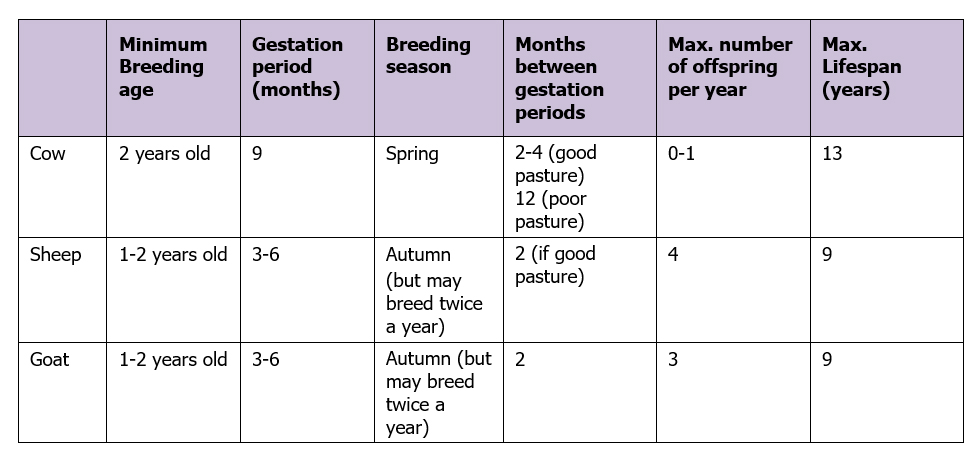
 Figure F1 – Reproductive value of each specie
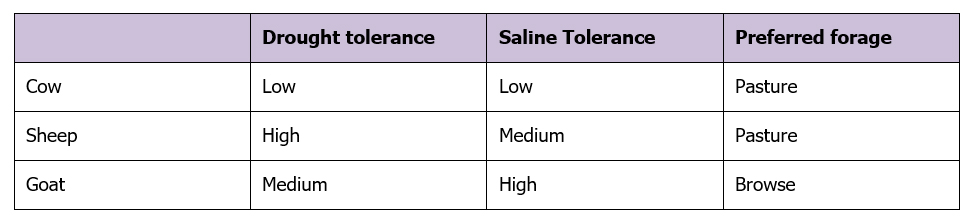 Figure F2 – Environmental preferences
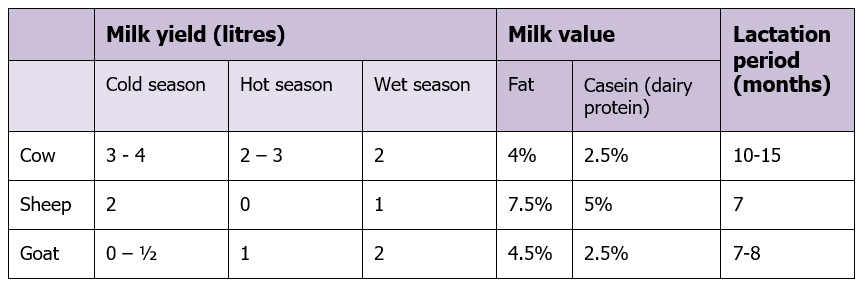 Figure F3 – Availability and value of milk
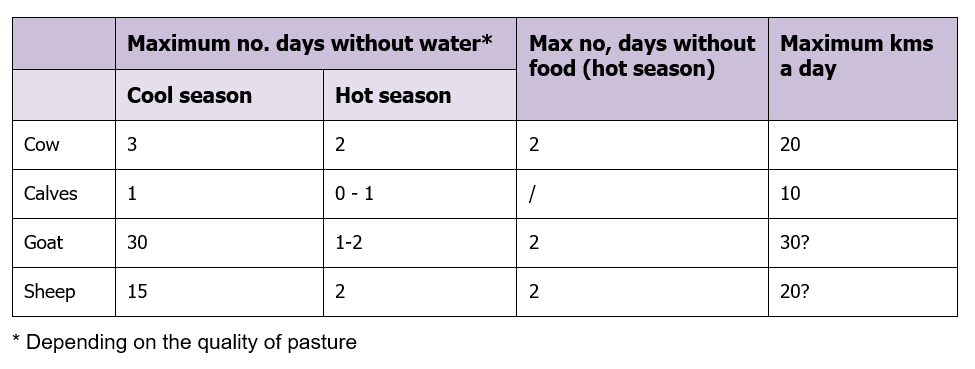 Figure F4 – Ability to tolerate drought, hunger and travel
Pigs are demonstrated to be very versatile in terms of how prolific they are in terms of production, and are highly tolerant to poor quality fodder, both features that might have been very attractive in the Badarian. But they do not provide milk and can be devastating to crops, because they are very difficult to constrain and cannot be herded, which may be why they were rejected. They may have been too much of a challenge in a confined riverine environment.
In all case studies, cattle remains were found. Cattle may have had multiple roles. They are excellent sources of dairy, blood and meat, may be socially constructed and may be associated with religious belief. At Nabta the burial of one whole cow and dispersed pieces of cattle in tumuli indicate that their importance in this area exceeded the purely economic. Although cattle are not particularly heat, drought or saline tolerant, require greater quality food than either sheep or goat and have only average quality milk value, although it is plentiful when cattle are healthy. Goat are wonderful for arid environments because they are both drought and heat tolerant, will consume poor quality fodder and reproduce fairly well. Sheep are less drought, heat and poor fodder tolerant but produce fairly good numbers in a litter and the quality of their milk exceeds that of cattle and goat. Goat and pig are therefore by far the most versatile of the domesticated species represented, with cattle dominating only in terms of its energy reserves, lifespan and supply of hides (the latter not specifically recorded in Badarian graves). Sheep and goat would therefore seem to be a good solution for Badarian people, supplemented by cattle.
The data in the above tables has been assembled from data presented in the following publications:
Aboul-Naga et al 2014
Dahl and Hjort 1976
Dyson-Hudson and Dyson-Hudson 1980
S.E. Smith 1980
Yokell 2004, chapter 4
 Modelling Early Food Production in the Mid Holocene of the Eastern Sahara